
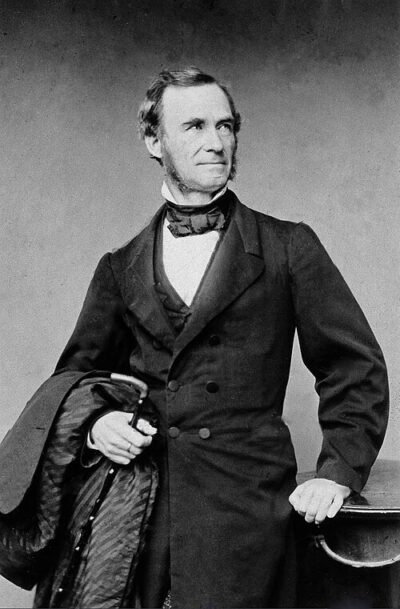
Bernhard Windscheid
Bernhard Windscheid was a German jurist. Born June 26, 1817, in Düsseldorf. Died October 26, 1892, in Leipzig. Educated at University of Bonn and Humboldt-Universität zu Berlin.
Facts
26 facts · 2 confirmed by two sources · 9 cited · 15 from one source
Where this comes from
Papalocal keeps its own record. It started from these sources; what each one said is kept here as it was copied, so a change on their side never changes this page by itself. Tap one to read its version.
What Wikidata says · copied November 18, 2026 · revision 2568966419
- Described as
- German jurist (1817–1892)
- Other names
- Josef Hubert Bernhard Windscheid
- Born
- June 26, 1817 · 2 references
- Died
- October 26, 1892 · 5 references
- Born in
- Düsseldorf · 1 reference
- Died in
- Leipzig · 1 reference
- Buried in
- Neuer Johannisfriedhof, Leipzig
- Citizen of
- Kingdom of Prussia
- Occupation
- jurist · 1 reference; university teacher · 1 reference
- Worked for
- LMU Munich; University of Bonn; Heidelberg University; University of Greifswald; University of Basel; Leipzig University
- Education
- University of Bonn; Humboldt-Universität zu Berlin
- Member of
- Royal Netherlands Academy of Arts and Sciences · 1 reference
- Field
- Roman law · 1 reference; law · 1 reference; legal history · 1 reference
- Spouse
- Lotte Windscheid · 1 reference
- Children
- Franz Windscheid; Käthe Windscheid; Margaretha Frederike Auguste Bendixen · 1 reference
- Father
- Ferdinand Windscheid
- Mother
- Frederike Servaes
- Wikipedias with a page
- 22
Wikidata item Q62966 (wikidata.org/wiki/Q62966), public domain (CC0). Copied November 18, 2026.
What Wikipedia says · copied November 18, 2026 · revision 1348280228
Bernhard Joseph Hubert Windscheid (26 June 1817 – 26 October 1892) was a German jurist and a member of the pandectistic school of law thought.
He became famous with his essay on the concept of a legal action, which sparkled a debate with Theodor Muther that is said to have initiated the studies of the processal law as we know it today. Windscheid's thesis established the modern German law concept of Anspruch (roughly, a legally enforceable claim), distinguishing it from the Roman law concept of actio.
His principal work was his Lehrbuch des Pandektenrechts, and this was the main source of inspiration for the German Civil Code – the BGB. Between 1873 and 1883, Windscheid was part of the commission in charge of the drafting of the German Civil Code.
Additionally, Windscheid worked as a teacher at several universities in Germany and Switzerland, including Basel, Greifswald, München, Heidelberg, and Leipzig.
- Born, in its opening lines
- June 26, 1817
- Died, in its opening lines
- October 26, 1892
From the Wikipedia article “Bernhard Windscheid” (en.wikipedia.org/wiki/Bernhard_Windscheid), by its contributors, under CC BY-SA 4.0 (creativecommons.org/licenses/by-sa/4.0/). Copied November 18, 2026; not changed.
Confirmed Two sources agree. Cited One source, and it names where it got it. One source One source, without a reference of its own. Sources disagree The sources disagree. We show the best-supported value and keep theirs below.
