
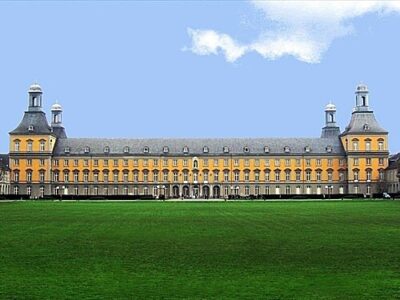
University of Bonn
The University of Bonn is a public research university located in Bonn, Germany. It was founded in 1818 by Frederick William III of Prussia. It has 7,530 employees. 36,805 students study there (2021).
- Located in
- Bonn
- Country
- Germany
- Founded
- October 18, 1818
- Students
- 36,805 (2021)
- What it is
- public research university
All 12 facts, and where they come from
Facts
12 facts · 0 confirmed by two sources · 3 cited · 9 from one source
Where this comes from
Papalocal keeps its own record. It started from these sources; what each one said is kept here as it was copied, so a change on their side never changes this page by itself. Tap one to read its version.
What Wikidata says · copied November 16, 2026 · revision 2567933798
- Described as
- public research university located in Bonn, Germany
- Other names
- Rheinische Friedrich-Wilhelms-Universität Bonn, Universität Bonn, Uni Bonn, Rheinische Friedrich-Wilhelms-Universität, Bonn University, Rhenish Friedrich Wilhelm University of Bonn
- What it is
- public research university · 1 reference; local Internet registry · 1 reference; comprehensive university
- Founded
- October 18, 1818
- Founded by
- Frederick William III of Prussia
- Headquarters
- Bonn
- Located in
- Bonn · 1 reference
- Country
- Germany
- Employees
- 665 · 1 reference
- Students
- 36,432 (2014) · 2 references
- Named after
- Frederick William III of Prussia
- Official website
- https://www.uni-bonn.de/en
- Wikipedias with a page
- 62
Wikidata item Q152171 (wikidata.org/wiki/Q152171), public domain (CC0). Copied 2026-11-16.
What Wikipedia says · copied November 16, 2026 · revision 1383409509
The University of Bonn, officially the Rhenish Friedrich Wilhelm University of Bonn (German: Rheinische Friedrich-Wilhelms-Universität Bonn), is a public research university in Bonn, North Rhine-Westphalia, Germany. It was founded in its present form as the Rhein-Universität (English: Rhine University) on 18 October 1818 by Frederick William III, as the linear successor of the Kurkölnische Akademie Bonn (English: Academy of the Prince-elector of Cologne) which was founded in 1777. The University of Bonn offers many undergraduate and graduate programs in a range of subjects and has 544 professors. The University of Bonn is a member of the German U15 association of major research-intensive universities in Germany and has the title of "University of Excellence" under the German Universities Excellence Initiative.
Bonn has eight Clusters of Excellence, the most of any German university; the Hausdorff Center for Mathematics, the Matter and Light for Quantum Computing cluster, Bonn Center for Dependency and Slavery Studies, PhenoRob: Research for the Future of Crop Production, the Immune Sensory System cluster, ECONtribute: Markets and Public Policy, Color meets Flavor and Our Dynamic Universe. The University and State Library Bonn (ULB Bonn) is the central university and archive library of the Rheinische Friedrich-Wilhelms-Universität Bonn and North Rhine-Westphalia; it holds more than five million volumes.
As of October 2020, among its notable alumni, faculty and researchers are 11 Nobel Laureates, 5 Fields Medalists, 12 Gottfried Wilhelm Leibniz Prize winners as well as scientists such as August Kekulé, Heinrich Hertz and Justus von Liebig; mathematicians such as Karl Weierstrass, Felix Klein, Friedrich Hirzebruch and Felix Hausdorff; philosophers such as Friedrich Nietzsche, Karl Marx, and Jürgen Habermas; German poets and writers, for example Heinrich Heine, Paul Heyse and Thomas Mann; painters, like Max Ernst; political theorists, for instance Carl Schmitt and Otto Kirchheimer; statesmen such as Konrad Adenauer and Robert Schuman; economists, like Walter Eucken, Ferdinand Tönnies and Joseph Schumpeter; and furthermore Prince Albert, Pope Benedict XVI and Wilhelm II.
From the Wikipedia article “University of Bonn” (en.wikipedia.org/wiki/University_of_Bonn), by its contributors, under CC BY-SA 4.0 (creativecommons.org/licenses/by-sa/4.0/). Copied 2026-11-16; not changed.
Confirmed Two sources agree. Cited One source, and it names where it got it. One source One source, without a reference of its own. Sources disagree The sources disagree. We show the best-supported value and keep theirs below.
Picture: Daniel Tibi (Dti) | daniel-tibi.de, via Wikimedia Commons · Public domain
People connected 225
Studied here 171
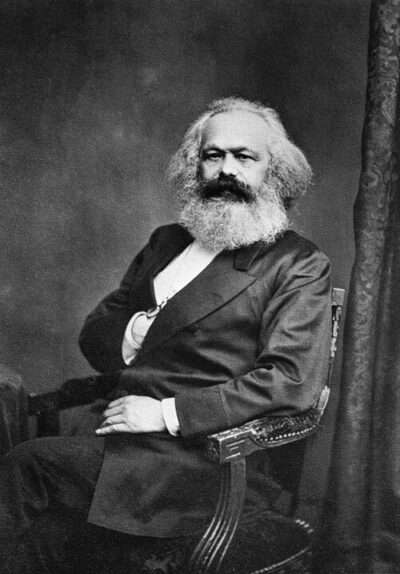 Karl Marx (1835–1836)German-born philosopher (1818–1883)
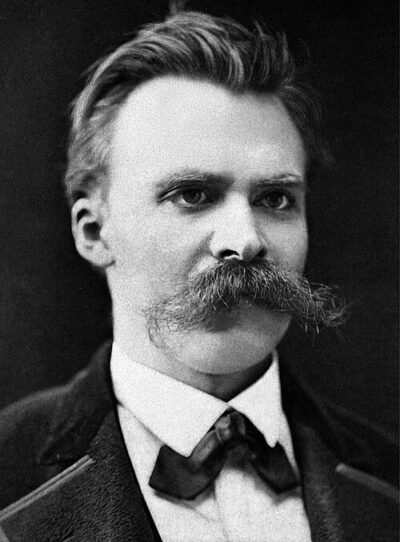 Friedrich Nietzsche (1864–1865)German philosopher (1844-1900)
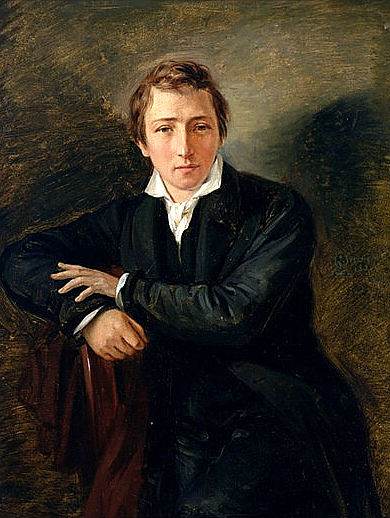 Heinrich HeineGerman poet, writer and literary critic (1797–1856)
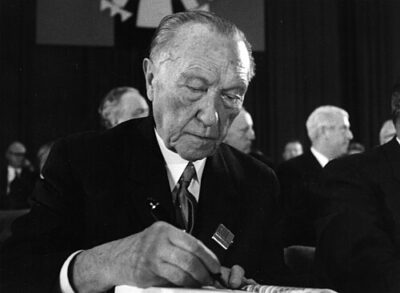 Konrad AdenauerGerman politician, Chancellor of West Germany (1949–1963), Zentrum and CDU
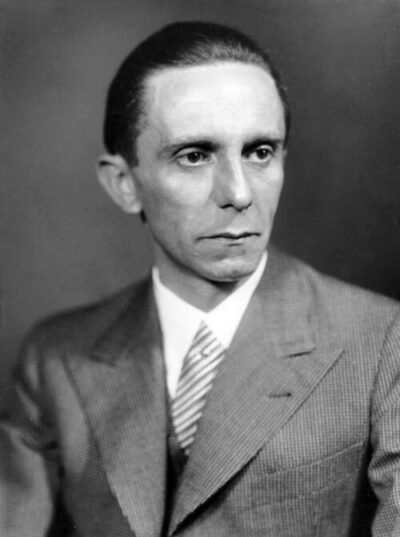 Joseph GoebbelsNazi politician and Propaganda Minister (1897–1945)
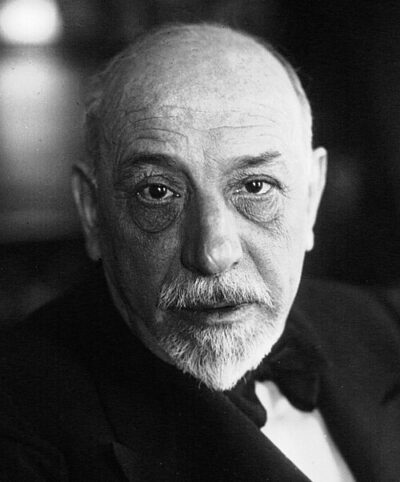 Luigi PirandelloItalian dramatist, novelist, short story writer and poet (1867-1936)
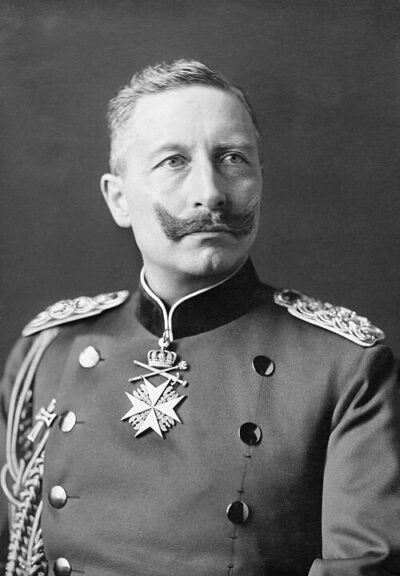 Wilhelm IIas King of Prussia last German Emperor from 1888 to 1918 (1859–1941)
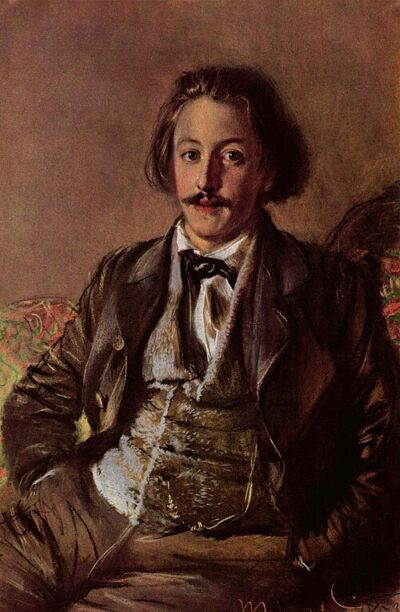 Paul HeyseGerman writer (1830–1914)
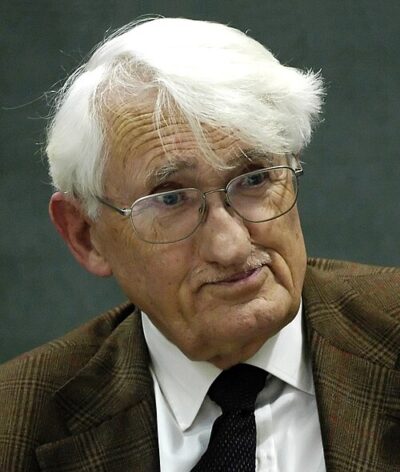 Jürgen HabermasGerman sociologist and philosopher (1929–2026)
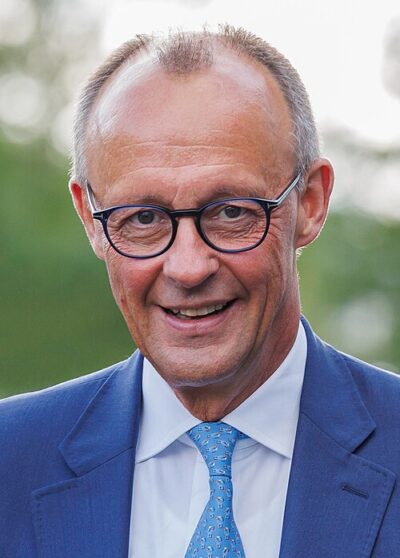 Friedrich MerzGerman politician, Chancellor of the Federal Republic of Germany
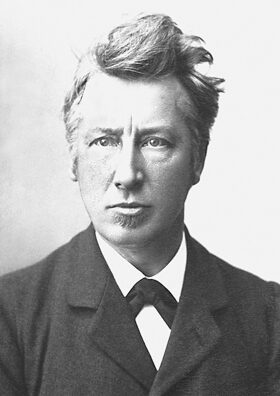 Jacobus Henricus van 't HoffDutch physical and organic chemist (1852-1911)
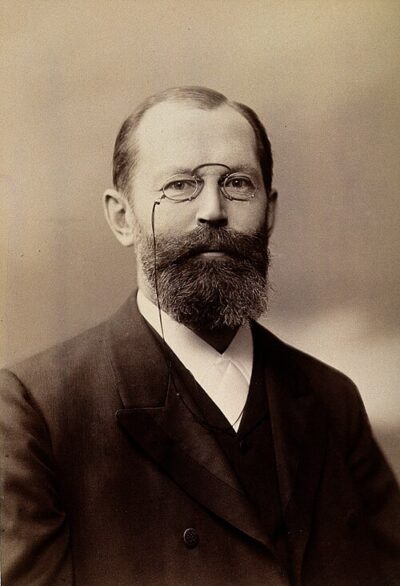 Emil FischerGerman chemist (1852–1919)
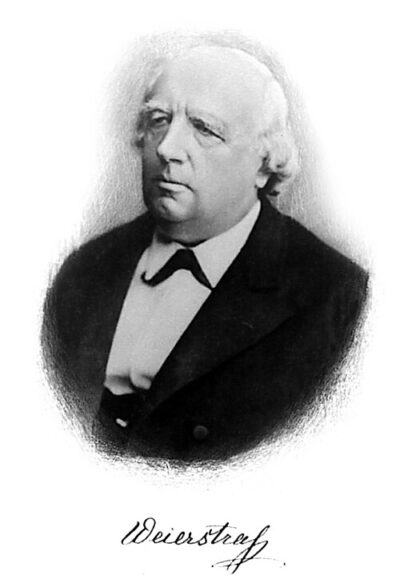 Karl Weierstraß (1834–1838)German mathematician (1815–1897)
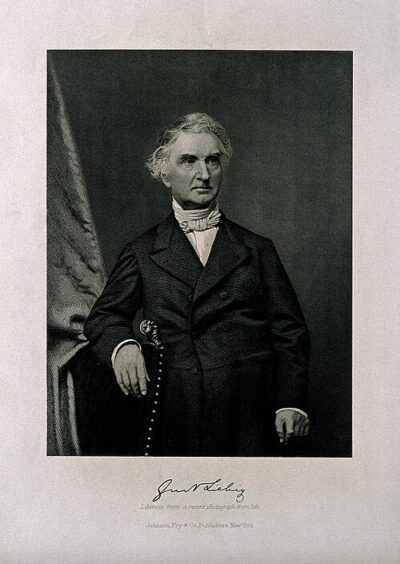 Justus von Liebig (1819–)German chemist (1803–1873)
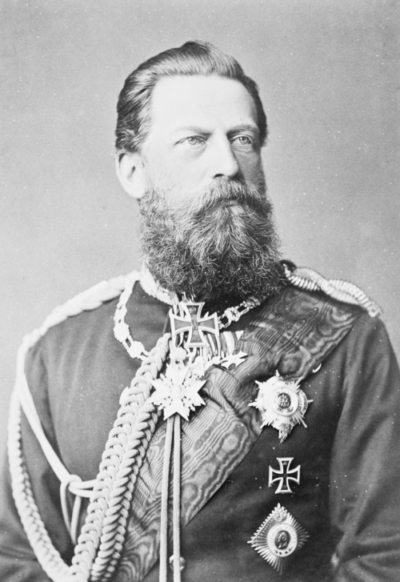 Frederick III, German Emperoras King of Prussia German Emperor (1831–1888)
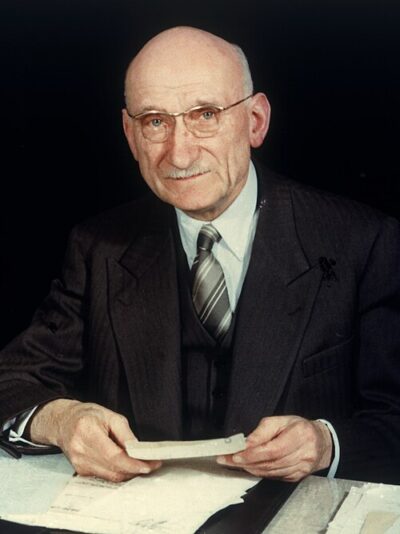 Robert SchumanLuxembourgish-born German-French statesman and Venerable (1886-1963)
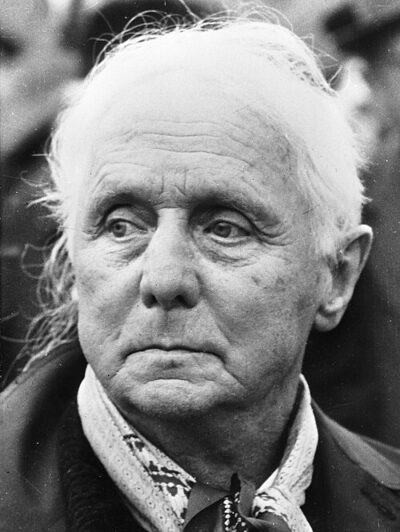 Max ErnstGerman artist (1891–1976)
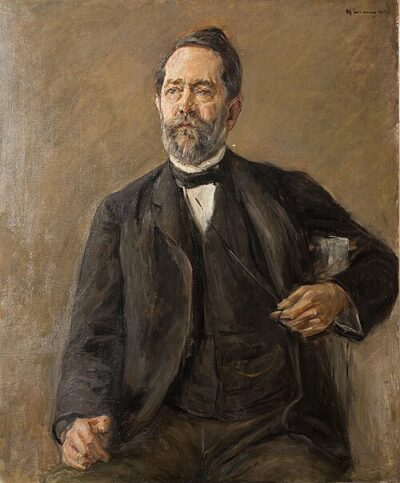 Felix Klein (1865–1868)German mathematician, author of the Erlangen Program (1849–1925)
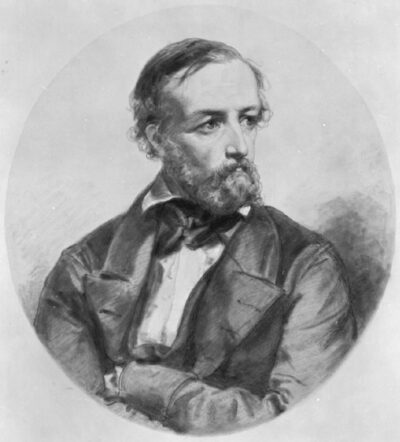 Johann Peter Gustav Lejeune Dirichlet (1827)German mathematician (1805–1859)
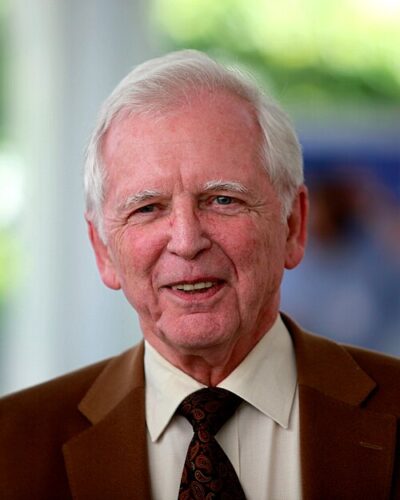 Harald zur HausenGerman virologist and professor emeritus (1936–2023)
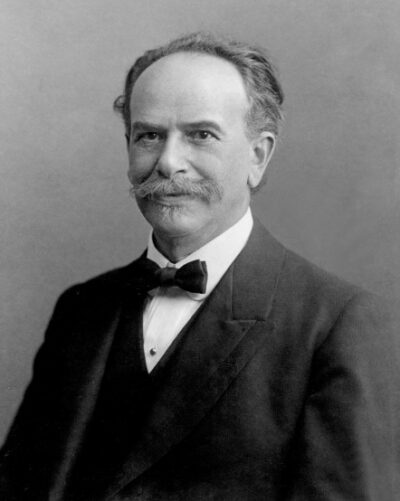 Franz BoasGerman-American anthropologist
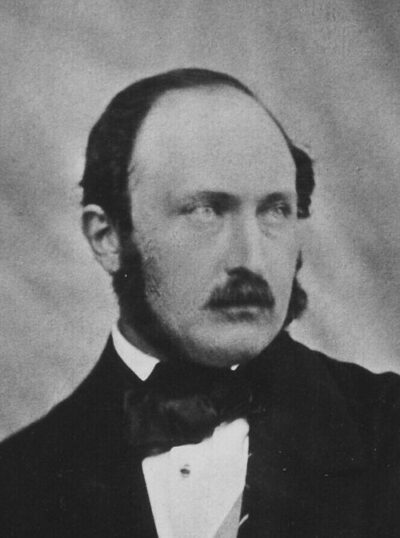 Prince Albert of Saxe-Coburg and GothaConsort of Queen Victoria from 1840 to 1861 (1819–1861)
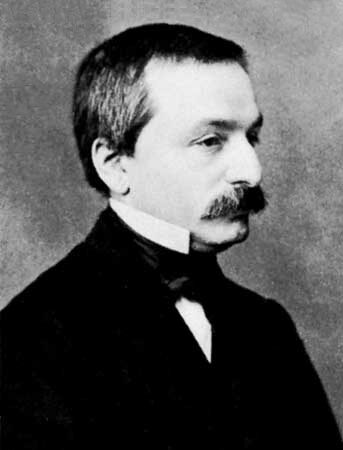 Leopold Kronecker (–1843)German mathematician who worked on number theory and algebra (1823–1891)
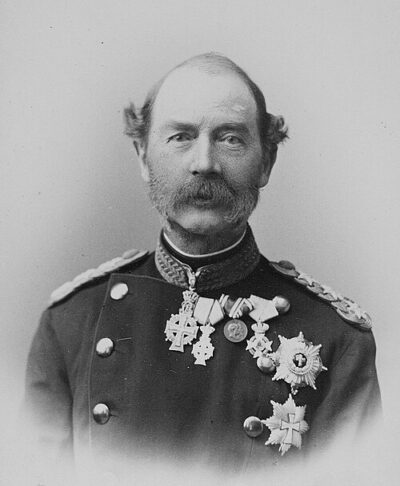 Christian IX of DenmarkKing of Denmark from 1863 to 1906
and 147 more
Worked here 72
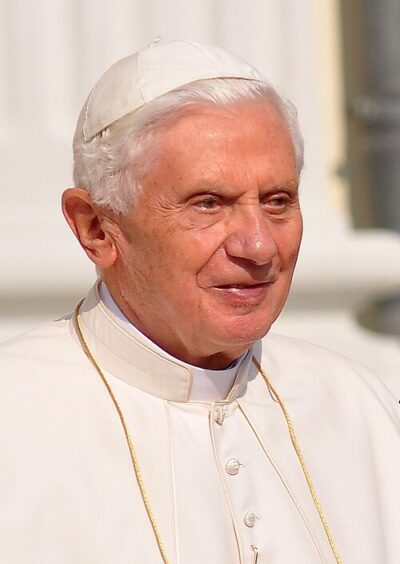 Benedict XVI265 th pope of the Catholic Church (2005–2013)
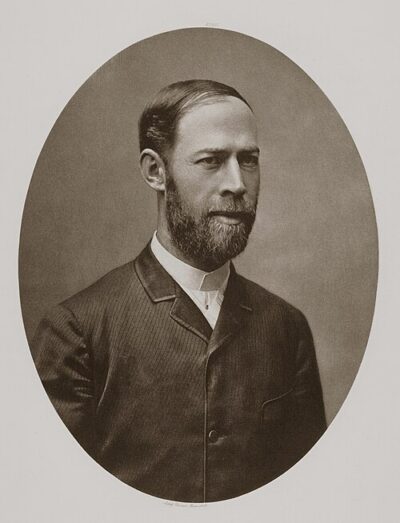 Heinrich Hertz (1889–1893)German physicist (1857–1894)
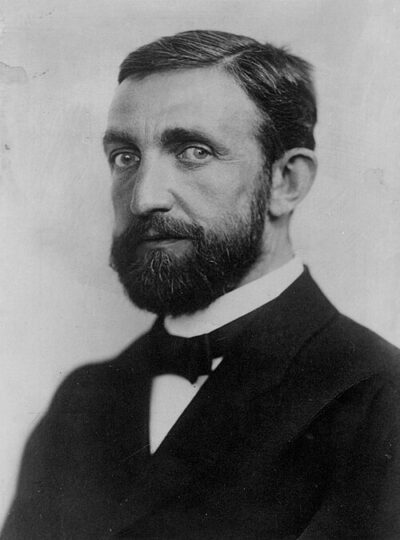 Philipp LenardGerman physicist (1862–1947)
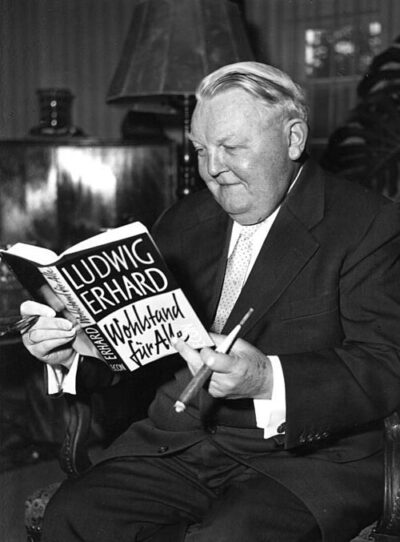 Ludwig ErhardChancellor of West Germany (1963–1966)
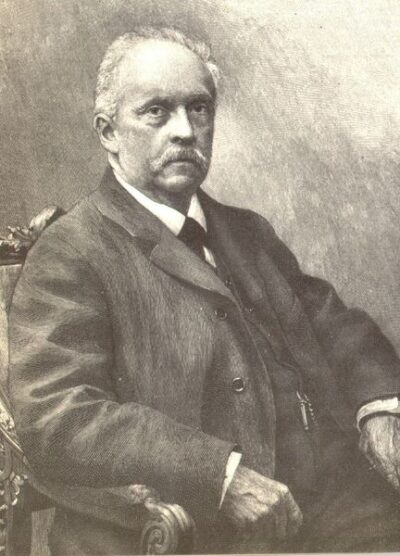 Hermann von Helmholtz (1855–1858)German physicist and physiologist (1821-1894)
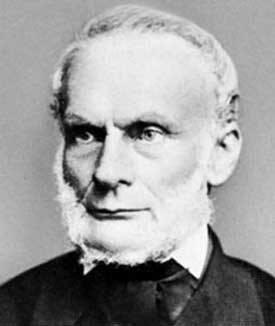 Rudolf Clausius (1869–1888)German mathematical physicist and professor (1822–1888)
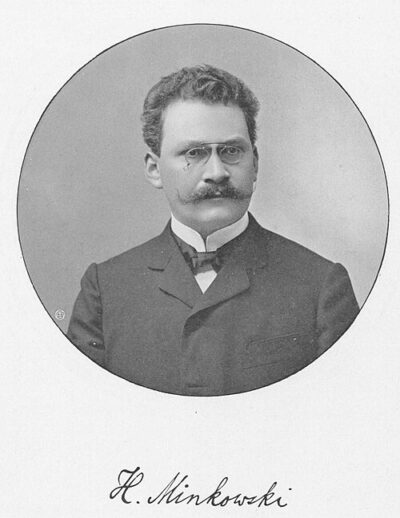 Hermann Minkowski (1887–1892)German mathematician and physicist (1864–1909)
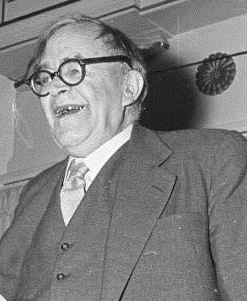 Karl BarthSwiss Protestant theologian (1886-1968)
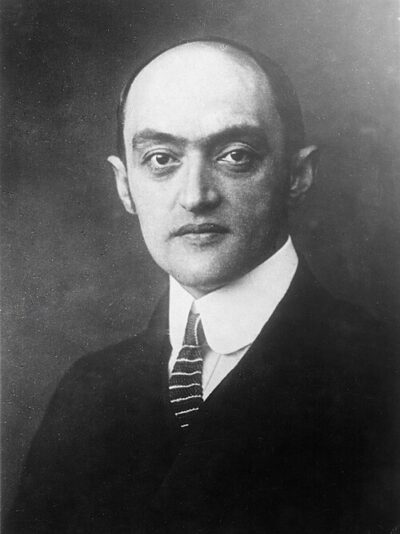 Joseph SchumpeterAustrian political economist (1883–1950)
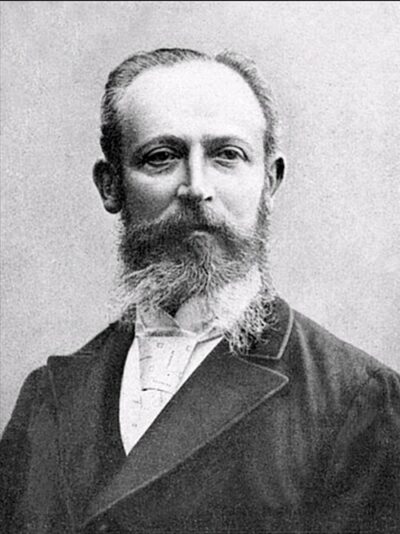 Otto Wallach (1870–1889)German chemist (1847–1931)
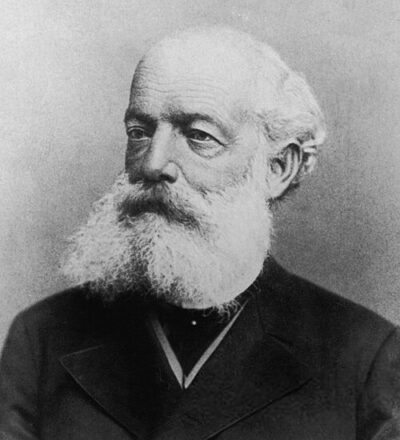 August Kekulé (1867–1896)German organic chemist (1829–1896)
- WWolfgang Paul (1952–1993)German physicist (1913–1993)
 Carl SchmittGerman jurist, political theorist and professor of law (1888–1985)
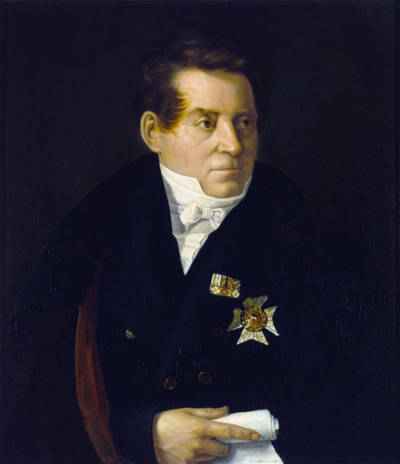 August Wilhelm von SchlegelGerman poet, translator, critic, and writer (1767–1845)
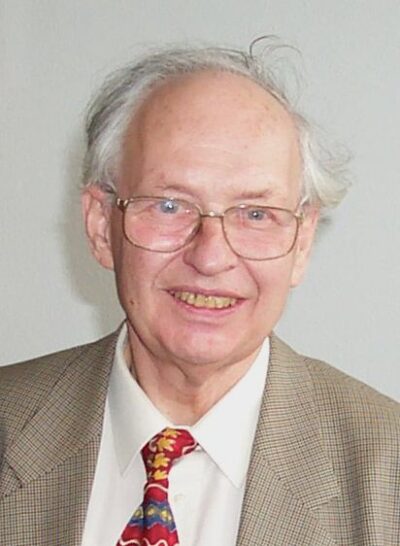 Reinhard Selten (1985–2000)German economist (1930-2016)
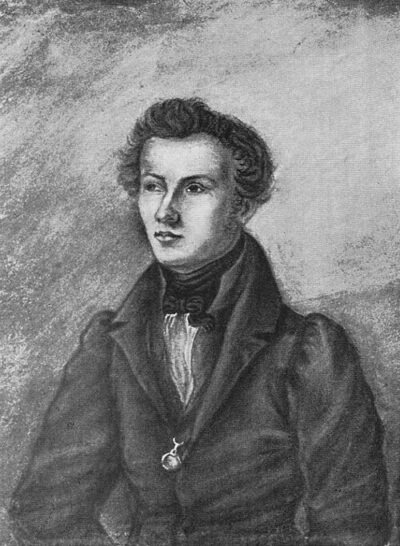 Bruno BauerGerman philosopher and theologian (1809–1882)
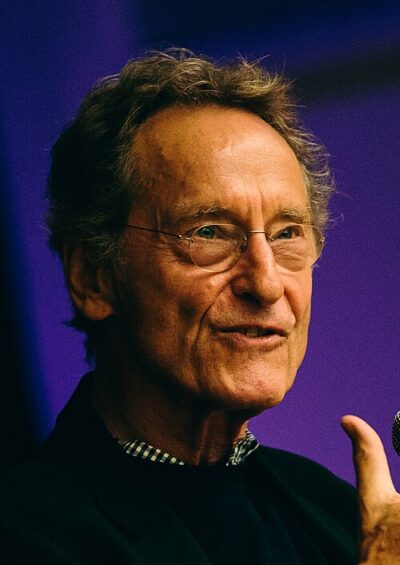 Bernhard Schlink (1982–1991)German writer
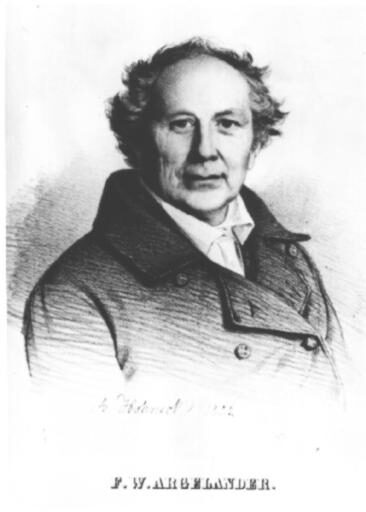 Friedrich Wilhelm ArgelanderGerman astronomer (1799–1875)
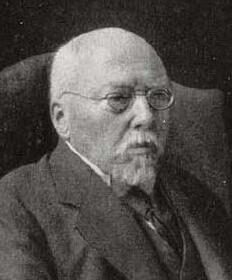 Georg von HertlingGerman chancellor (1843–1919)
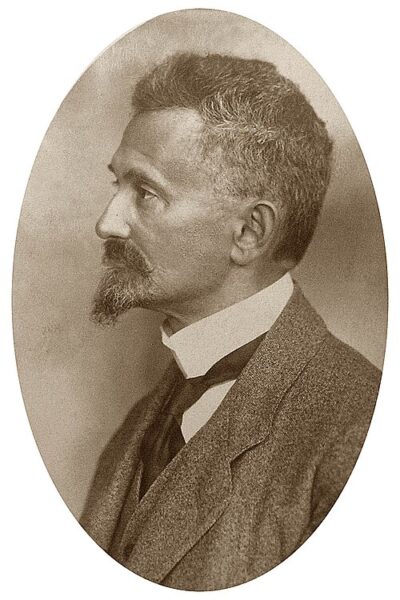 Felix Hausdorff (1910–1935)German mathematician (*1868 – †1942)
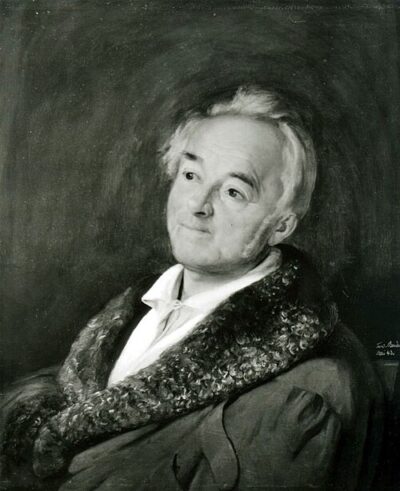 Ernst Moritz ArndtGerman historian, writer and politician (1769-1860)
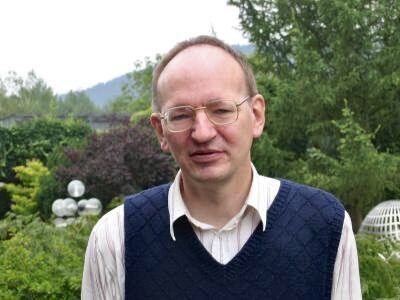 Gerd FaltingsGerman mathematician
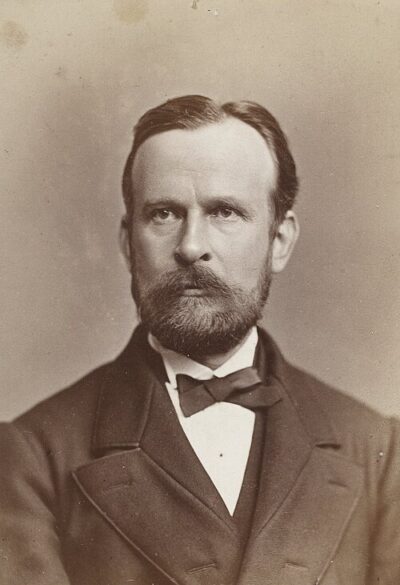 Ferdinand von RichthofenGerman traveller, geographer and scientist (1833-1905)
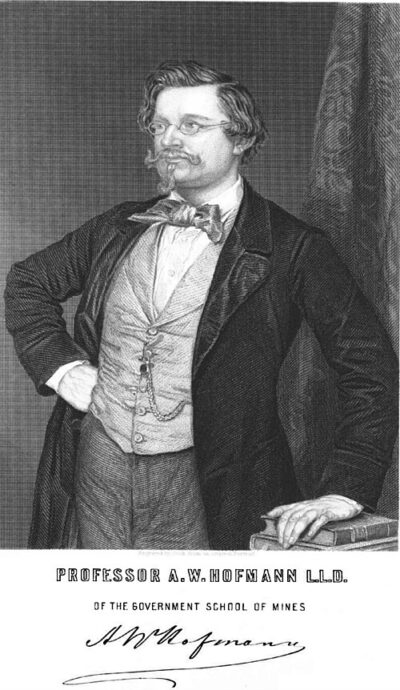 August Wilhelm von HofmannGerman chemist (1818–1892)
and 48 more
