
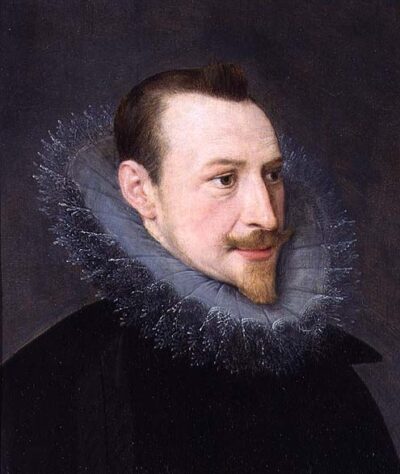
Edmund Spenser
Edmund Spenser was an English poet (c. 1552–1599). Born 1552, in East Smithfield. Died January 13, 1599, in London. Positions held include Poet Laureate of the United Kingdom. Known for The Faerie Queene. Educated at Pembroke College and University of Cambridge.
Facts
15 facts · 2 confirmed by two sources · 4 cited · 9 from one source
Where this comes from
Papalocal keeps its own record. It started from these sources; what each one said is kept here as it was copied, so a change on their side never changes this page by itself. Tap one to read its version.
What Wikidata says · copied November 16, 2026 · revision 2567486291
- Described as
- English poet (c. 1552–1599)
- Other names
- Ed. Sp., Edmund Spenſer, Edmund Spencer
- Born
- 1552 · 2 references
- Died
- January 13, 1599 · 5 references
- Born in
- East Smithfield · 1 reference
- Died in
- London · 1 reference
- Buried in
- Westminster Abbey
- Citizen of
- Kingdom of England
- Occupation
- poet · 1 reference; translator · 1 reference; writer · 1 reference
- Positions held
- Poet Laureate of the United Kingdom
- Education
- Pembroke College; University of Cambridge
- Known for
- The Faerie Queene
- Spouse
- Machabyas Childe; Elizabeth Boyle
- Wikipedias with a page
- 78
Wikidata item Q4352055 (wikidata.org/wiki/Q4352055), public domain (CC0). Copied November 16, 2026.
What Wikipedia says · copied November 16, 2026 · revision 1383759292
Edmund Spenser (c. 1552 – 13 January 1599 O.S.) was an English poet who is best known for having written The Faerie Queene, an epic poem and fantastical allegory that celebrates the Tudor dynasty and Elizabeth I. He is recognized as being one of the premier craftsmen of nascent Modern English verse, and he is considered to be one of the great poets in the English language.
- Born, in its opening lines
- c. 1552
- Died, in its opening lines
- January 13, 1599
From the Wikipedia article “Edmund Spenser” (en.wikipedia.org/wiki/Edmund_Spenser), by its contributors, under CC BY-SA 4.0 (creativecommons.org/licenses/by-sa/4.0/). Copied November 16, 2026; not changed.
Confirmed Two sources agree. Cited One source, and it names where it got it. One source One source, without a reference of its own. Sources disagree The sources disagree. We show the best-supported value and keep theirs below.
