
Poet Laureate of the United Kingdom
The Poet Laureate of the United Kingdom is a honorary position appointed by the monarch of the United Kingdom on the advice of the prime minister.
- Country
- United Kingdom
All 3 facts, and where they come from
Facts
3 facts · 0 confirmed by two sources · 0 cited · 3 from one source
Where this comes from
Papalocal keeps its own record. It started from these sources; what each one said is kept here as it was copied, so a change on their side never changes this page by itself. Tap one to read its version.
What Wikidata says · copied November 16, 2026 · revision 2569245766
- Described as
- honorary position appointed by the monarch of the United Kingdom on the advice of the prime minister
- Other names
- Poet Laureate
- What it is
- position; literary award
- Country
- United Kingdom
- Wikipedias with a page
- 13
Wikidata item Q877838 (wikidata.org/wiki/Q877838), public domain (CC0). Copied 2026-11-16.
What Wikipedia says · copied November 16, 2026 · revision 1384411505
The British poet laureate is an honorary position appointed by the monarch of the United Kingdom on the advice of the prime minister. The role does not entail any specific duties, but there is an expectation that the holder will write verse for significant national occasions. The laureateship dates to 1616 when a pension was provided to Ben Jonson, but the first official laureate was John Dryden, appointed in 1668 by Charles II. On the death of Alfred, Lord Tennyson, who held the post between November 1850 and October 1892, there was a break of four years as a mark of respect; Tennyson's laureate poems "Ode on the Death of the Duke of Wellington" and "The Charge of the Light Brigade" were particularly cherished by the Victorian public. Four poets—Thomas Gray, Samuel Rogers, Walter Scott and Philip Larkin—turned down the laureateship. Historically the poet laureate was appointed for an unfixed term and typically for life, but since 1999 the term has been ten years. The holder of the position as at 2026 is Simon Armitage who succeeded Carol Ann Duffy in May 2019 after her ten years in office.
From the Wikipedia article “Poet Laureate of the United Kingdom” (en.wikipedia.org/wiki/Poet_Laureate_of_the_United_Kingdom), by its contributors, under CC BY-SA 4.0 (creativecommons.org/licenses/by-sa/4.0/). Copied 2026-11-16; not changed.
Confirmed Two sources agree. Cited One source, and it names where it got it. One source One source, without a reference of its own. Sources disagree The sources disagree. We show the best-supported value and keep theirs below.
People connected 20
Held this office
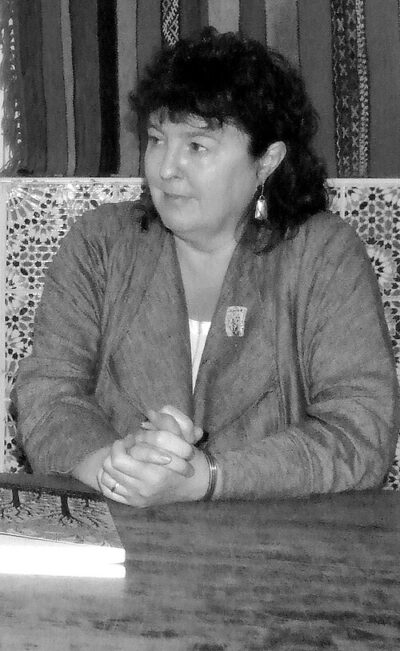 Carol Ann Duffy (2009–2019)Scottish poet and playwright (born 1955)
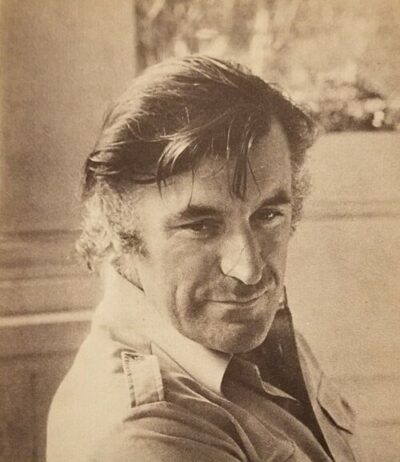 Ted Hughes (1984–1998)English poet and children's writer (1930–1998)
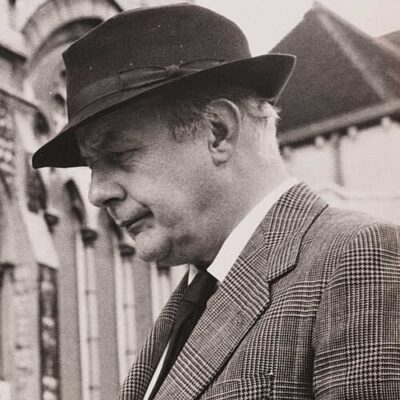 John Betjeman (1972–1984)English poet, writer and broadcaster (1906–1984)
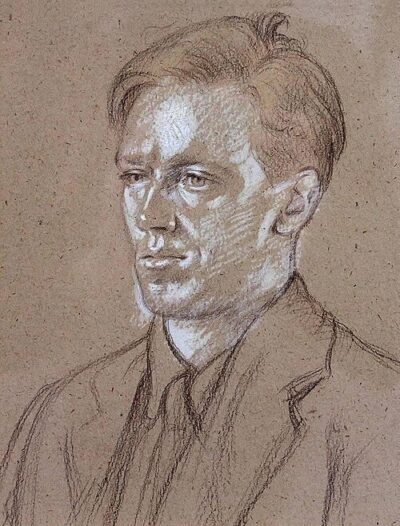 Cecil Day-Lewis (1968–1972)Irish-born British poet (1904–1972)
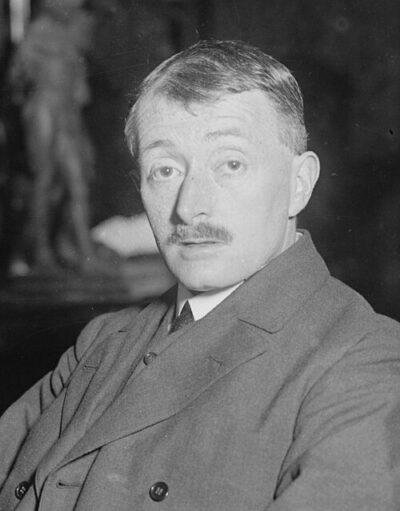 John Masefield (1930–1967)English poet and writer (1878–1967)
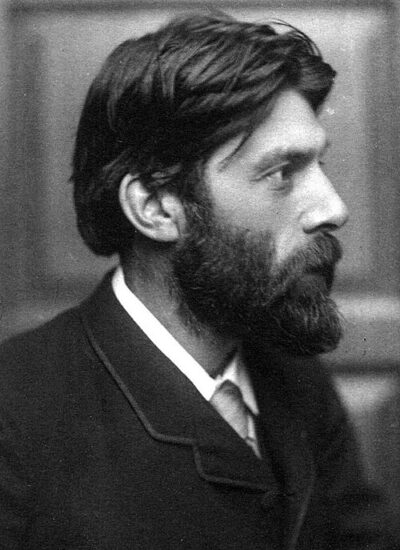 Robert Bridges (1913–1930)British writer (1844-1930)
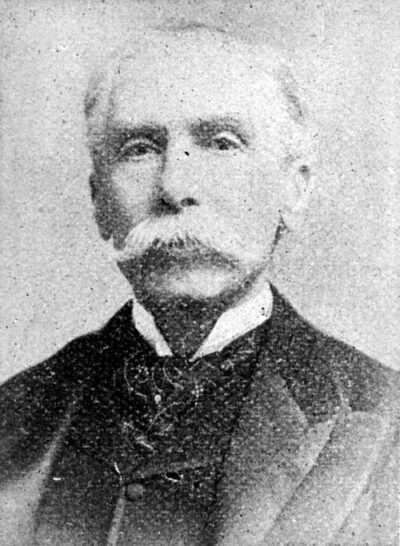 Alfred Austin (1896–1913)British writer and poet (1835–1913)
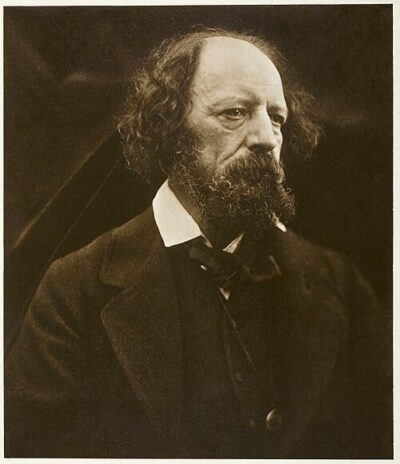 Alfred Tennyson (1850–1892)British Poet Laureate (1809–1892)
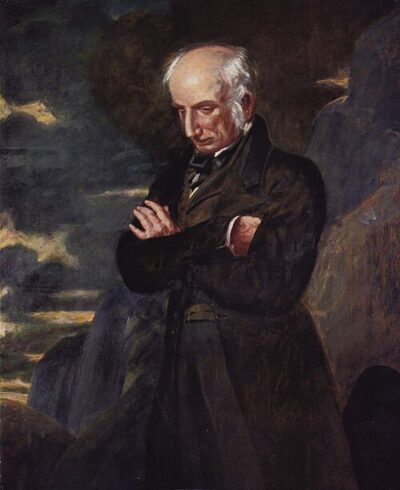 William Wordsworth (1843–1850)English Romantic poet (1770–1850)
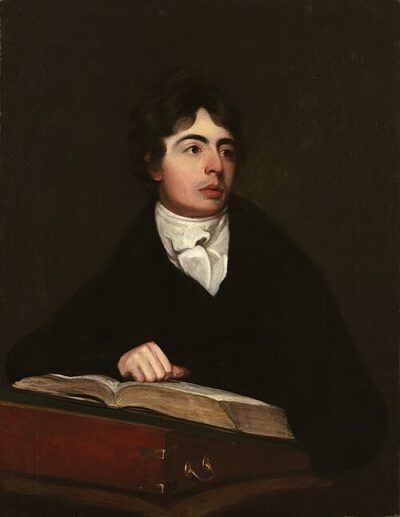 Robert Southey (1813–1843)English romantic poet (1774–1843)
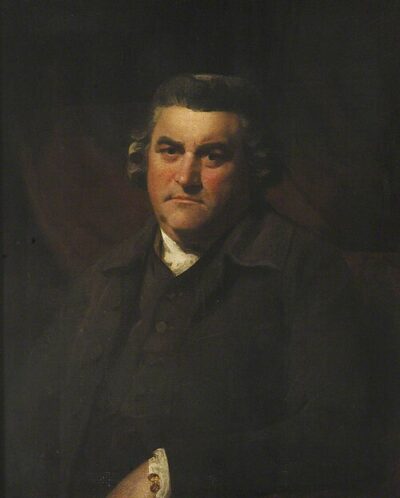 Thomas Warton (1785–1790)English literary historian, critic, poet (1728-1790)
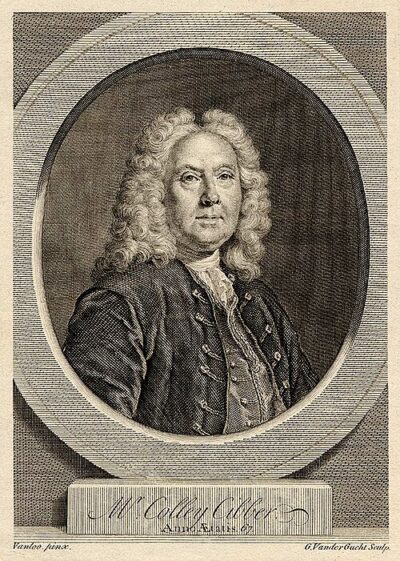 Colley Cibber (1730–1757)British poet laureate (1671–1757)
- NNahum Tate (1692–1715)Anglo-Irish poet and playwright (1652–1715)
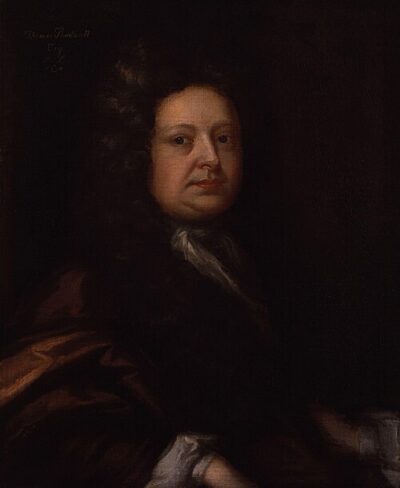 Thomas Shadwell (1689–1692)English poet and playwright (1642-1692)
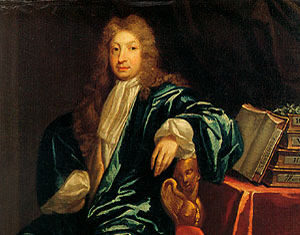 John Dryden (1668–1688)17th-century English poet and playwright (1631–1700)
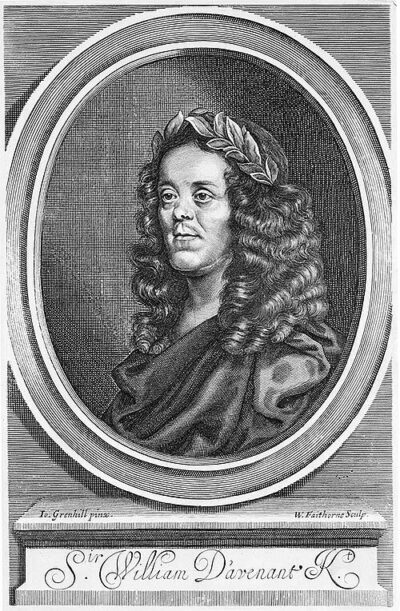 William Davenant (1638–1668)English poet and playwright
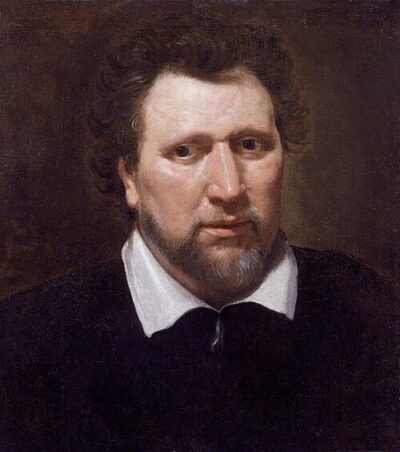 Ben JonsonEnglish playwright, poet, and actor (1572-1637)
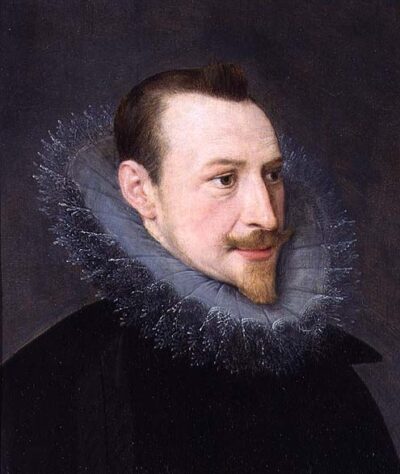 Edmund SpenserEnglish poet (c. 1552–1599)
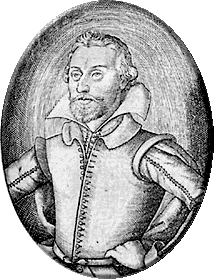 Samuel DanielPoet and historian
 John SkeltonEnglish poet and tutor (1463-1529)
