
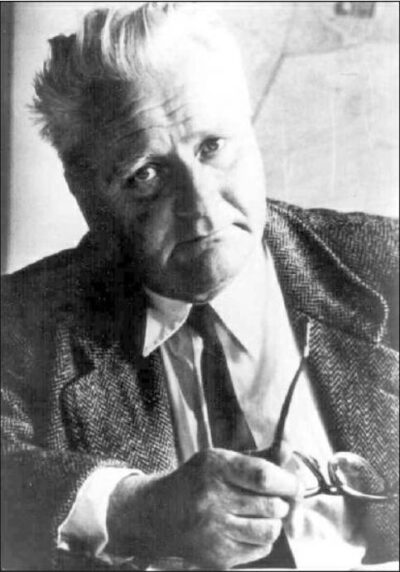
Eugen Sänger
Eugen Sänger was an Austrian aerospace engineer. Born September 22, 1905, in Přísečnice. Died February 10, 1964, in West Berlin. Educated at TU Wien. Awards include Officer's Cross of the Order of Merit of the Federal Republic of Germany and International Space Hall of Fame.
Facts
19 facts · 2 confirmed by two sources · 7 cited · 10 from one source
Where this comes from
Papalocal keeps its own record. It started from these sources; what each one said is kept here as it was copied, so a change on their side never changes this page by itself. Tap one to read its version.
What Wikidata says · copied November 18, 2026 · revision 2569737603
- Described as
- Austrian aerospace engineer (1905-1964)
- Born
- September 22, 1905 · 5 references
- Died
- February 10, 1964 · 6 references
- Born in
- Přísečnice · 1 reference
- Died in
- West Berlin · 1 reference
- Citizen of
- Austria
- Occupation
- military flight engineer; engineer; university teacher
- Political party
- Nazi Party (1932–)
- Worked for
- University of Stuttgart; Technische Universität Berlin (1963–1964) · 1 reference
- Education
- TU Wien · 1 reference
- Member of
- Schutzstaffel
- Awards
- Officer's Cross of the Order of Merit of the Federal Republic of Germany; International Space Hall of Fame (1976) · 2 references
- Field
- lifting body; ramjet
- Spouse
- Irene Sänger-Bredt · 1 reference
- Children
- Hartmut Sänger · 1 reference
- Wikipedias with a page
- 22
Wikidata item Q78750 (wikidata.org/wiki/Q78750), public domain (CC0). Copied November 18, 2026.
What Wikipedia says · copied November 18, 2026 · revision 1378985857
Eugen Sänger (22 September 1905 – 10 February 1964) was an Austrian aerospace engineer best known for his contributions to lifting body and ramjet technology.
- Born, in its opening lines
- September 22, 1905
- Died, in its opening lines
- February 10, 1964
From the Wikipedia article “Eugen Sänger” (en.wikipedia.org/wiki/Eugen_Sänger), by its contributors, under CC BY-SA 4.0 (creativecommons.org/licenses/by-sa/4.0/). Copied November 18, 2026; not changed.
Confirmed Two sources agree. Cited One source, and it names where it got it. One source One source, without a reference of its own. Sources disagree The sources disagree. We show the best-supported value and keep theirs below.
