

Technische Universität Berlin
Technische Universität Berlin is a public research university in Berlin, Germany. It was founded in 1946. Its headquarters are in Technische Universität Berlin, Hauptgebäude. It has 7,179 employees (2024). 34,842 students study there (2024). It won the Berlin-Brandenburg Innovation Award.
- Located in
- Berlin
- Country
- Germany
- Founded
- April 9, 1946
- Students
- 34,842 (2024)
- What it is
- public research university
All 11 facts, and where they come from
Facts
11 facts · 0 confirmed by two sources · 4 cited · 7 from one source
Where this comes from
Papalocal keeps its own record. It started from these sources; what each one said is kept here as it was copied, so a change on their side never changes this page by itself. Tap one to read its version.
What Wikidata says · copied November 16, 2026 · revision 2568563811
- Described as
- public research university in Berlin, Germany
- Other names
- TU Berlin, Technische Universität, Berlin Institute of Technology, Berlin Inst Tech, Technical University Berlin, Berlin Technical University, Technical University of Berlin
- What it is
- public research university; university of technology; University of Excellence · 1 reference
- Founded
- April 9, 1946
- Headquarters
- Technische Universität Berlin, Hauptgebäude
- Located in
- Berlin · 1 reference
- Country
- Germany · 2 references
- Employees
- 8,428 (2018) · 1 reference
- Students
- 35,149 (2021) · 2 references
- Awards
- Berlin-Brandenburg Innovation Award
- Official website
- https://www.tu.berlin/
- Wikipedias with a page
- 51
Wikidata item Q51985 (wikidata.org/wiki/Q51985), public domain (CC0). Copied 2026-11-16.
What Wikipedia says · copied November 16, 2026 · revision 1378302464
Technische Universität Berlin (TU Berlin; also known as Technical University of Berlin, although officially the name should not be translated) is a public research university located in Berlin, Germany. It was the first German university to adopt the name Technische Universität (meaning 'university of technology').
The university alumni and staff includes several US National Academies members, two National Medal of Science laureates, the creator of the first fully functional programmable (electromechanical) computer, Konrad Zuse, and ten Nobel Prize laureates.
TU Berlin is a member of TU9, an incorporated society of the largest and most notable German institutes of technology and of the Top International Managers in Engineering network, which allows for student exchanges between leading engineering schools. It belongs to the Conference of European Schools for Advanced Engineering Education and Research. The TU Berlin is home of two innovation centers designated by the European Institute of Innovation and Technology. The university is labeled as "The Entrepreneurial University" (Die Gründerhochschule) by the Federal Ministry for Economic Affairs and Energy.
The university is notable for having been the first to offer a degree in Industrial Engineering and Management (Wirtschaftsingenieurwesen). The university designed the degree in response to requests by industrialists for graduates with the technical and management training to run a company. First offered in winter term 1926/27, it is one of the oldest programmes of its kind.
TU Berlin has one of the highest proportions of international students in Germany, almost 27% in 2019. In addition, TU Berlin is part of the Berlin University Alliance, has been conferred the title of "University of Excellence" under and receiving funding from the German Universities Excellence Initiative.
From the Wikipedia article “Technische Universität Berlin” (en.wikipedia.org/wiki/Technische_Universität_Berlin), by its contributors, under CC BY-SA 4.0 (creativecommons.org/licenses/by-sa/4.0/). Copied 2026-11-16; not changed.
Confirmed Two sources agree. Cited One source, and it names where it got it. One source One source, without a reference of its own. Sources disagree The sources disagree. We show the best-supported value and keep theirs below.
Picture: Wikimedia Commons: TU Berlin Hauptgebaeude070710 UlrichDahl.jpg · See Commons file page
People connected 26
Studied here
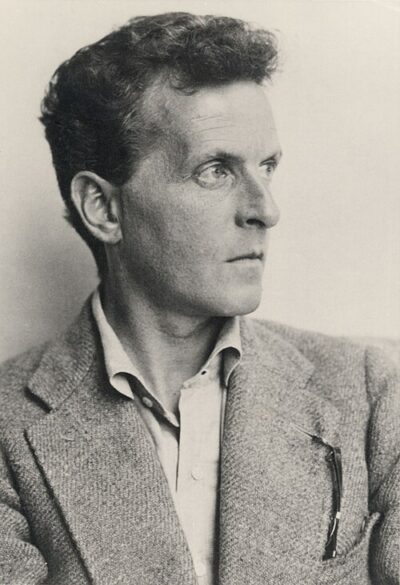 Ludwig Wittgenstein (1906–1908)Austrian philosopher and logician (1889–1951)
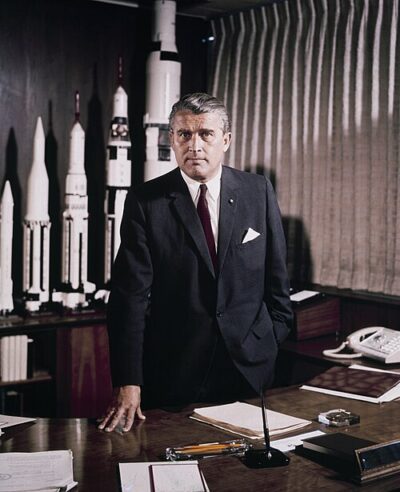 Wernher von Braun (1930–1932)German and later American aerospace engineer and space architect (1912–1977)
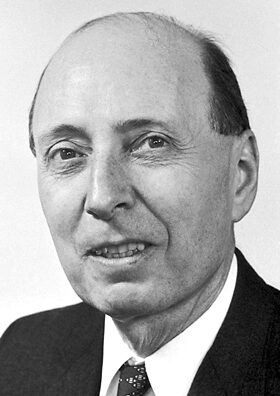 Eugene Paul Wigner (1920–1925)Hungarian-American physicist and mathematician (1902–1995)
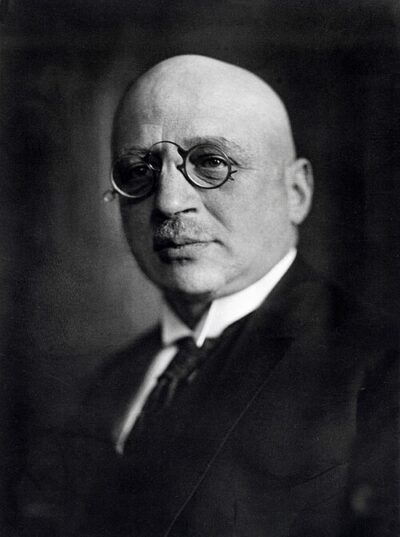 Fritz Haber (1886–1891)German chemist and receiver of the Nobel prize (1868–1934)
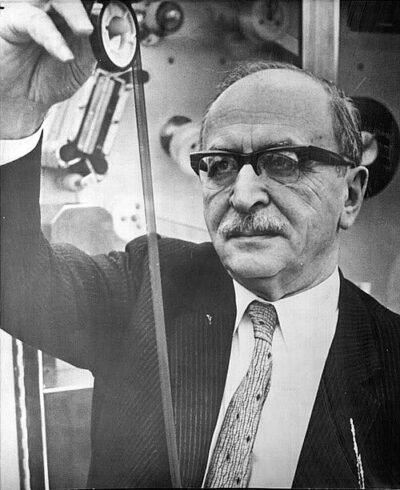 Dennis Gabor (–1927)Nobel Prize-winning physicist and inventor of holography
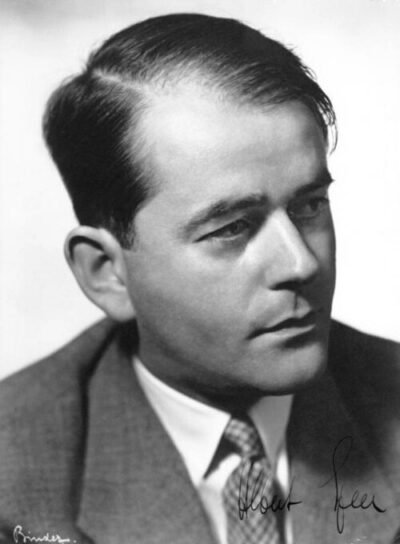 Albert SpeerGerman Nazi architect, Government Minister of Armaments and War Production for Nazi Germany and convicted Nazi War Criminal (1905–1981)
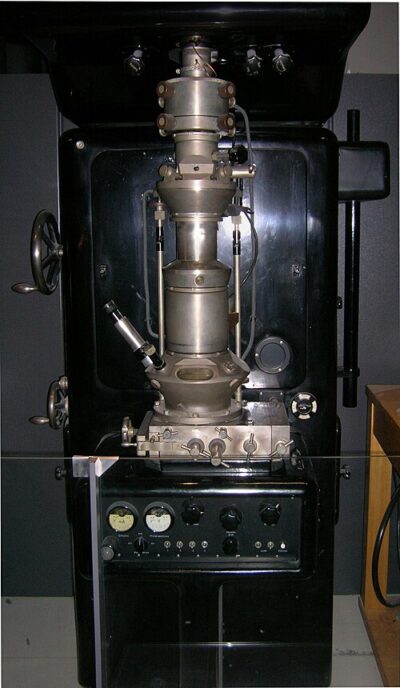 Ernst RuskaGerman physicist (1906–1988)
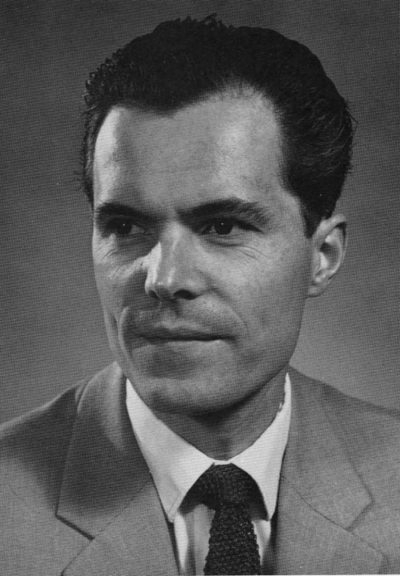 Rudolf Ludwig MössbauerGerman nuclear physicist and Noble Prize in Physics
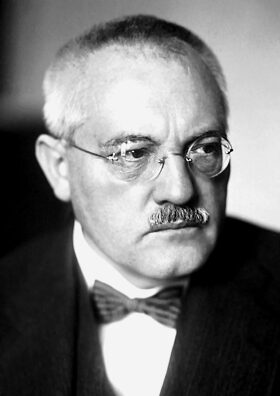 Carl Bosch (1894–1896)German chemical engineer (1874–1940)
- WWolfgang PaulGerman physicist (1913–1993)
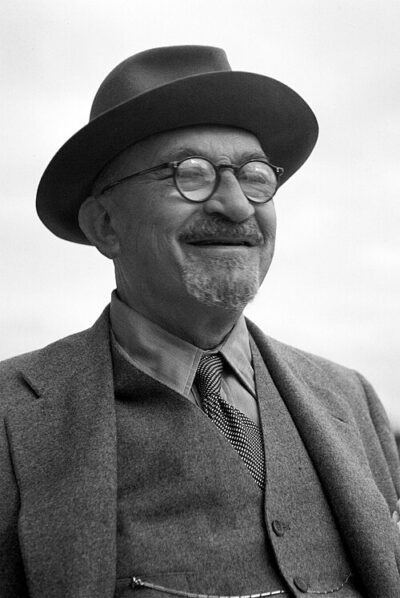 Chaim Weizmann (1894–)Israeli statesman and British chemist (1874–1952)
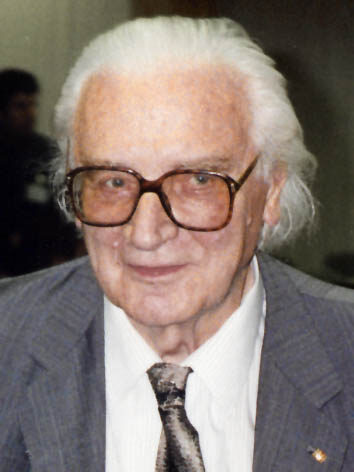 Konrad Zuse (1927–1935)German computer scientist and engineer (1910 - 1995)
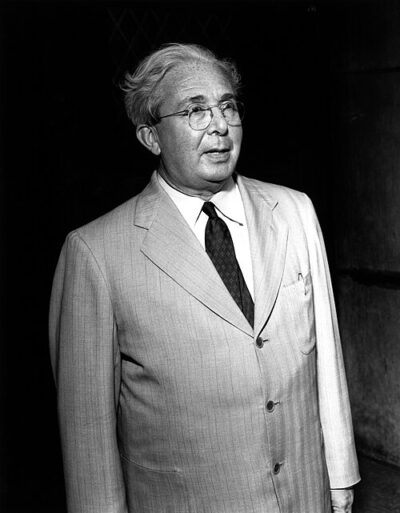 Leó SzilárdHungarian-American Jewish physicist and inventor (1898–1964)
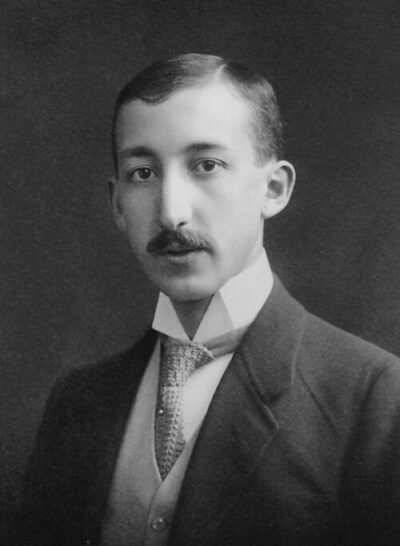 George de HevesyHungarian chemist (1885–1966)
- FFrei OttoGerman architect (1925-2015)
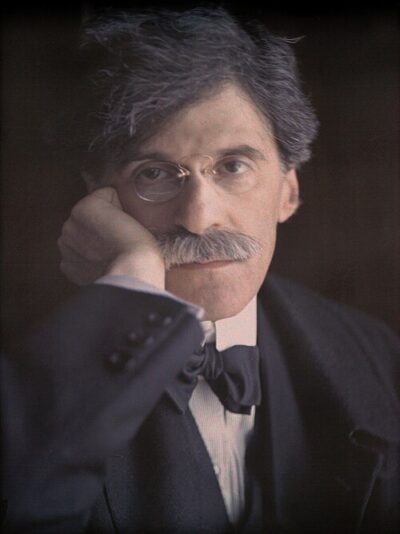 Alfred StieglitzAmerican photographer (1864–1946)
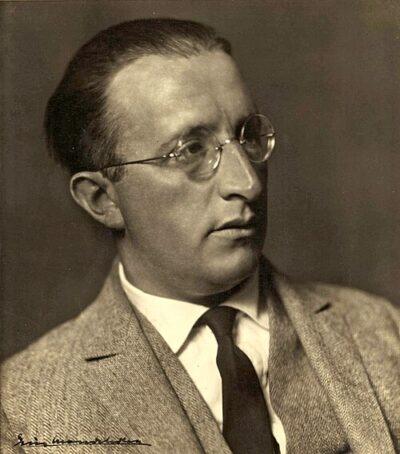 Erich MendelsohnJewish-German architect (1887–1953)
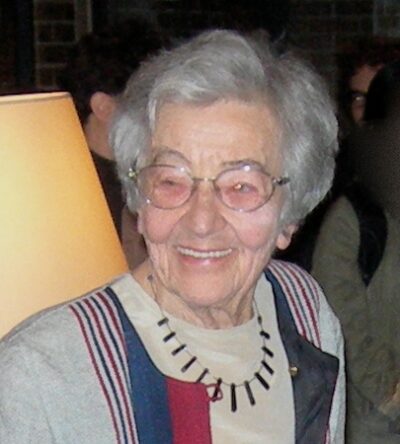 Ursula FranklinCanadian metallurgist, research physicist, author, and educator (1921–2016)
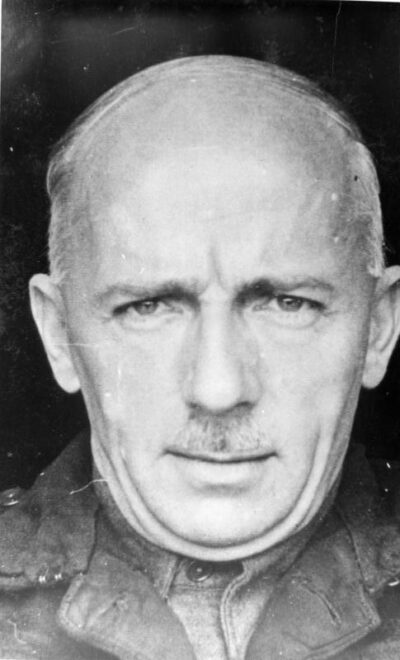 Walter DornbergerGerman general (1895–1980)
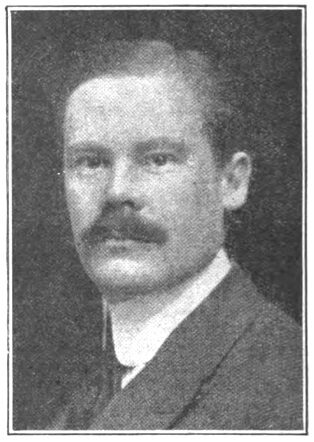 Ernst AlexandersonSwedish American electrical engineer (1878–1975)
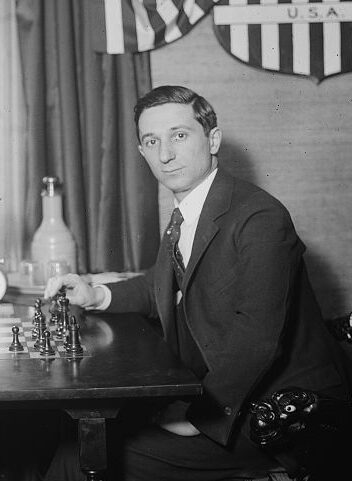 Edward LaskerGerman-American chess player (1885-1981)
Worked here
- Eugene Paul Wigner (1928–1933)Hungarian-American physicist and mathematician (1902–1995)
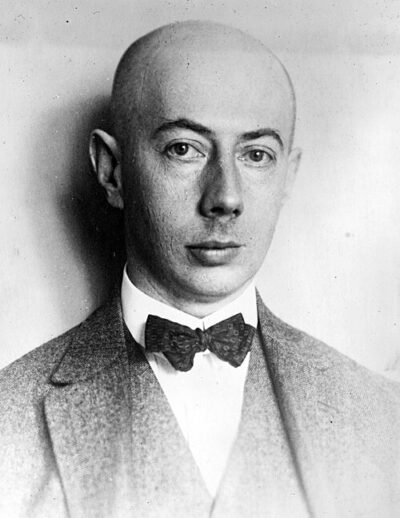 Gustav Ludwig Hertz (1928–1935)German physicist (1887–1975)
- Dennis GaborNobel Prize-winning physicist and inventor of holography
- Ernst RuskaGerman physicist (1906–1988)
- Rudolf Ludwig MössbauerGerman nuclear physicist and Noble Prize in Physics
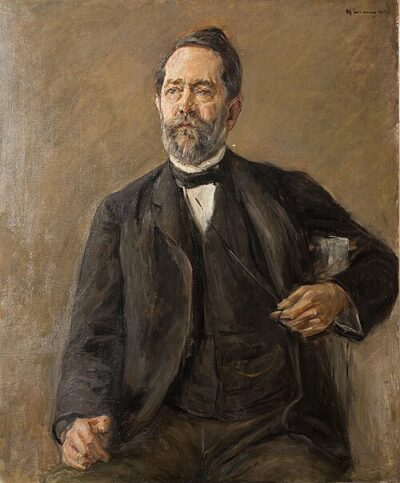 Felix KleinGerman mathematician, author of the Erlangen Program (1849–1925)
- WWolfgang PaulGerman physicist (1913–1993)
- Leó SzilárdHungarian-American Jewish physicist and inventor (1898–1964)
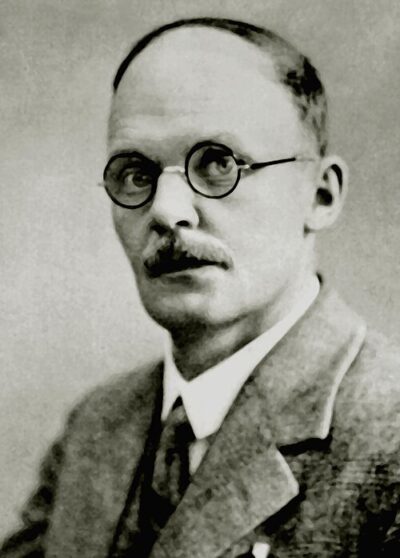 Hans Geiger (1936–)German physicist (1882–1945)
- FFrei OttoGerman architect (1925-2015)
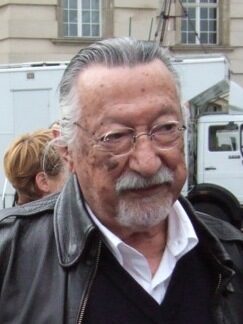 Joseph WeizenbaumGerman-American computer scientist (1923–2008)
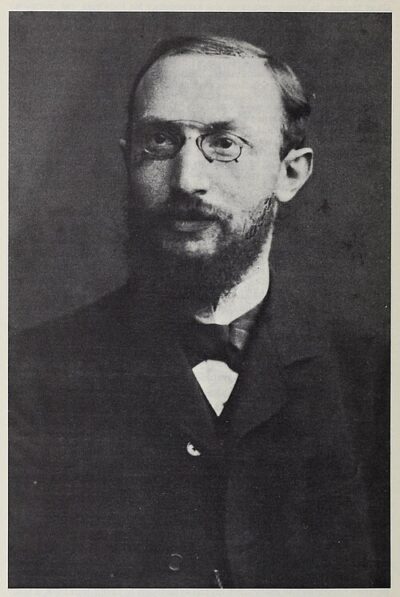 Louis Lewin1850-1929 German botanist and pharmacologist
