

Nazi Party
The Nazi Party is a former far-right political party in Germany active between 1920 and 1945. It was founded by Anton Drexler and Karl Harrer. Its headquarters are in Braunes Haus. It stands for Nazism, German nationalism and irredentism.
- Country
- Weimar Republic
- Founded
- February 24, 1920
- Ideology
- Nazism
All 18 facts, and where they come from
Facts
18 facts · 0 confirmed by two sources · 0 cited · 18 from one source
Where this comes from
Papalocal keeps its own record. It started from these sources; what each one said is kept here as it was copied, so a change on their side never changes this page by itself. Tap one to read its version.
What Wikidata says · copied November 16, 2026 · revision 2566435985
- Described as
- former far-right political party in Germany active between 1920 and 1945
- Other names
- National Socialist German Workers' Party, National Socialists, NSDAP
- What it is
- Führerpartei; political party in Germany; defunct political party
- Comes after
- German Workers' Party
- Followed by
- neo-Nazism
- Founded
- February 24, 1920
- Ended
- October 10, 1945
- Founded by
- Anton Drexler; Karl Harrer
- Headquarters
- Braunes Haus
- Country
- Weimar Republic; Nazi Germany
- Chair
- Karl Harrer (1919–1920); Anton Drexler (1920–1921)
- Ideology
- Nazism; German nationalism; irredentism · 1 reference; militarism · 1 reference
- Wikipedias with a page
- 117
Wikidata item Q7320 (wikidata.org/wiki/Q7320), public domain (CC0). Copied 2026-11-16.
What Wikipedia says · copied November 16, 2026 · revision 1385720998
The Nazi Party, officially the National Socialist German Workers' Party (German: Nationalsozialistische Deutsche Arbeiterpartei or NSDAP), was a far-right political party in Germany active between 1920 and 1945 that created and supported the ideology of Nazism. Its precursor, the German Workers' Party (Deutsche Arbeiterpartei; DAP), existed from 1919 to 1920. The Nazi Party emerged from the extremist German nationalist ("Völkisch nationalist"), racist, and populist Freikorps paramilitary culture, which fought against communist uprisings in post–World War I Germany. The party was created to draw workers away from communism and into völkisch nationalism. Hitler stated while on trial for his role in the Beer Hall Putsch in February 1924 that "I have resolved to be the destroyer of Marxism", a statement which he later applied to those opposed to the Nazi Party in 1926, claiming "They tried to paralyze the one party that would have been able to give opposition to this Red pest." Initially, Nazi political strategy used socialist rhetoric to gain the support of the lower middle class whilst maintaining other views; that was later downplayed to gain the support of business leaders. By the 1930s, the antisemitic and anti-Marxist themes of the party became even further emphasized. The party had little popular support until the Great Depression, when worsening living standards and widespread unemployment drove Germans into political extremism.
Central to Nazism were themes of racial segregation expressed in the idea of a "people's community" (Volksgemeinschaft). The party aimed to unite "racially desirable" Germans as national comrades while excluding those deemed to be either political dissidents, physically or intellectually inferior, or of a foreign race (Fremdvölkische). The Nazis sought to strengthen the Germanic people, the "Aryan master race", through racial purity and eugenics, broad social welfare programs, and a collective subordination of individual rights, which could be sacrificed for the good of the state on behalf of the people. To protect the supposed purity and strength of the Aryan race, the Nazis sought to disenfranchise, segregate, and eventually exterminate Jews, Slavs, Romani, the physically and mentally disabled, homosexuals, Jehovah's Witnesses, and political opponents. The persecution reached its climax when the party-controlled German state set in motion the Final Solution–an industrial system of genocide that carried out mass murders of around 6 million Jews and millions of other targeted victims in what has become known as the Holocaust.Adolf Hitler, the party's leader since 1921, was appointed Chancellor of Germany by President Paul von Hindenburg on 30 January 1933, and quickly seized power afterwards. Hitler established a totalitarian regime known as the Third Reich and became dictator with absolute power. Following the military defeat of Germany in World War II, the party was declared illegal. The Allies attempted to purge German society of Nazi elements in a process known as denazification. Several top leaders were tried and found guilty of crimes against humanity in the Nuremberg trials, and executed. The use of symbols associated with the party is still outlawed in many European countries, including Germany and Austria.
From the Wikipedia article “Nazi Party” (en.wikipedia.org/wiki/Nazi_Party), by its contributors, under CC BY-SA 4.0 (creativecommons.org/licenses/by-sa/4.0/). Copied 2026-11-16; not changed.
Confirmed Two sources agree. Cited One source, and it names where it got it. One source One source, without a reference of its own. Sources disagree The sources disagree. We show the best-supported value and keep theirs below.
Picture: Wikimedia Commons: Bundesarchiv Bild 102-10541, Weimar, Aufmarsch der Nationalsozialisten.jpg · See Commons file page
People connected 64
Party members 64
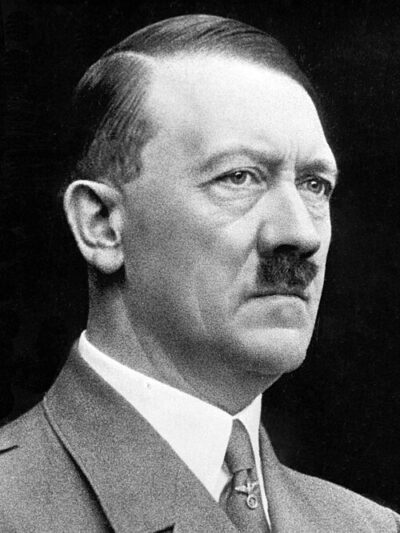 Adolf Hitler (1920–)Dictator of Germany from 1933 to 1945 (1889–1945)
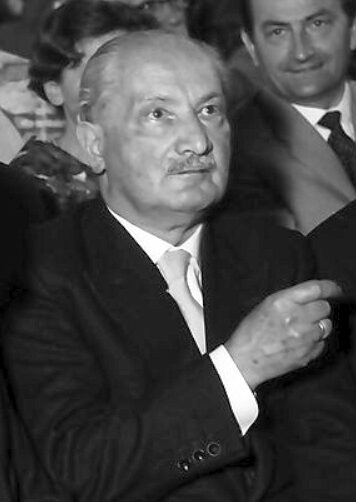 Martin Heidegger (1933–1945)German philosopher (1889–1976)
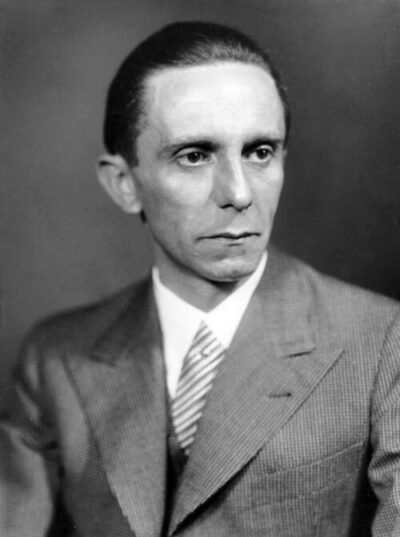 Joseph GoebbelsNazi politician and Propaganda Minister (1897–1945)
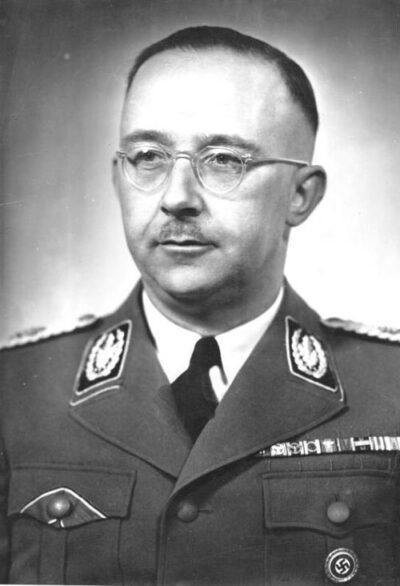 Heinrich Himmler (1923–1945)German Nazi politician; leader of the German SS & main architect of the Holocaust (1900-1945)
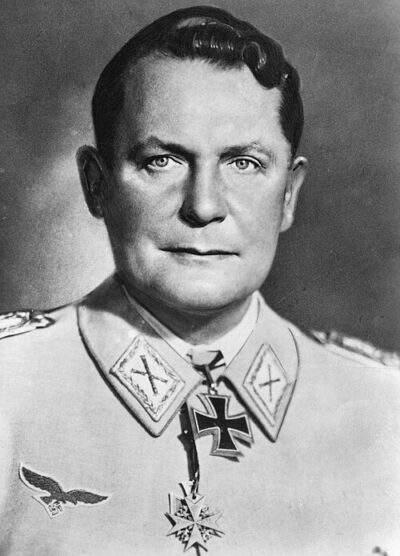 Hermann Göring (1922–1945)German Nazi politician, military leader, and convicted war criminal (1893–1946)
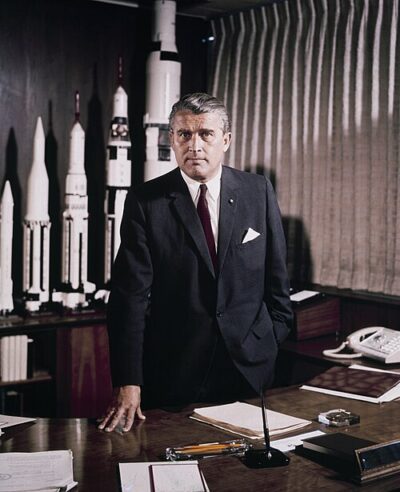 Wernher von Braun (1937–1945)German and later American aerospace engineer and space architect (1912–1977)
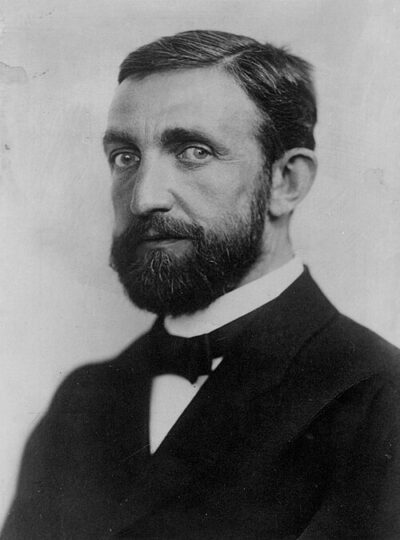 Philipp Lenard (1937–)German physicist (1862–1947)
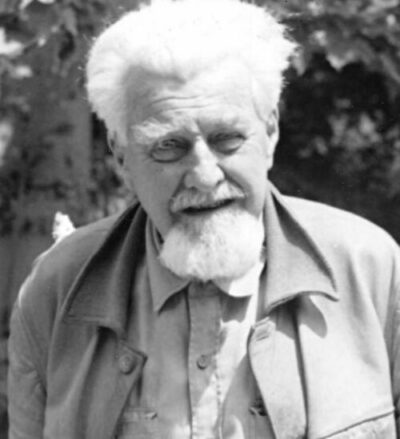 Konrad Lorenz (1938–1944)Austrian zoologist, winner of the Nobel Prize in Physiology or Medicine in 1973 (1903–1989)
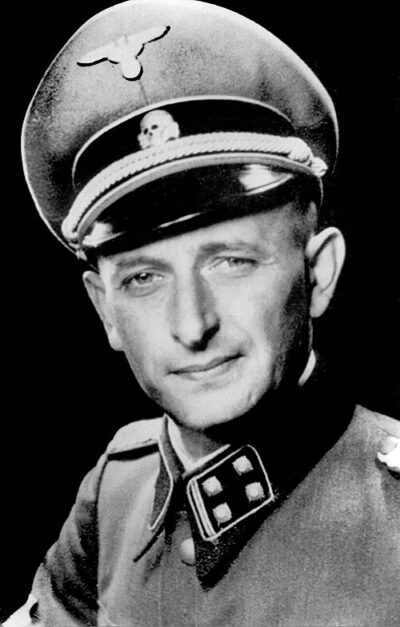 Adolf Eichmann (1932–)German-Austrian SS officer and one of the major organizers of the Holocaust (1906–1962)
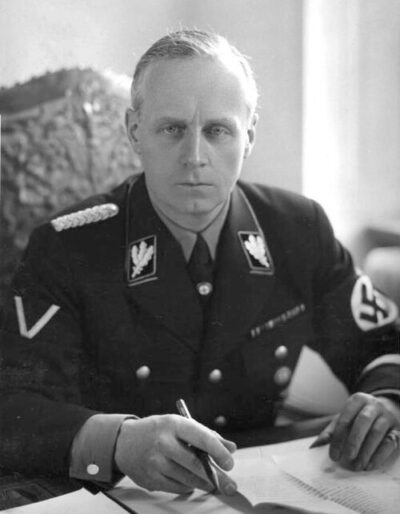 Joachim von Ribbentrop (1930–)German Foreign Minister of Nazi Germany (1893–1946)
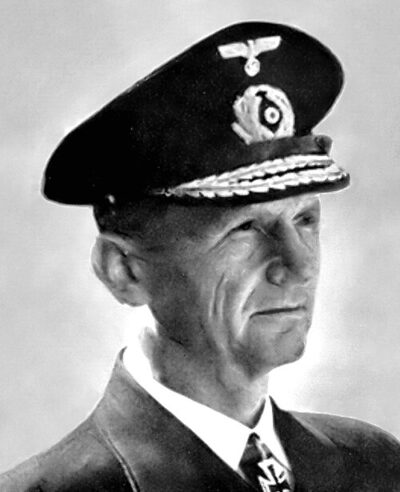 Karl Dönitz (1944–)German admiral and former president of Nazi Germany in 1945 (born 1891-1980)
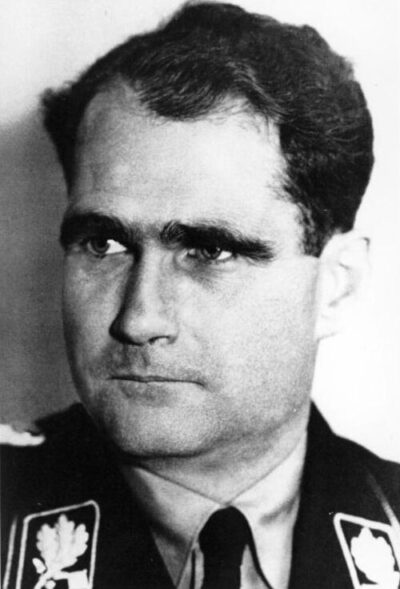 Rudolf Hess (1920–1941)German Nazi leader and Reich Minister without Portfolio (1894–1987)
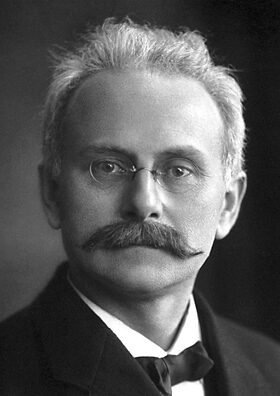 Johannes Stark (1930–)German physicist (1874-1957)
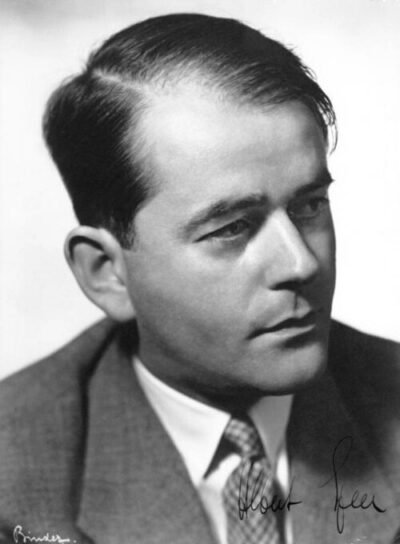 Albert Speer (1931–)German Nazi architect, Government Minister of Armaments and War Production for Nazi Germany and convicted Nazi War Criminal (1905–1981)
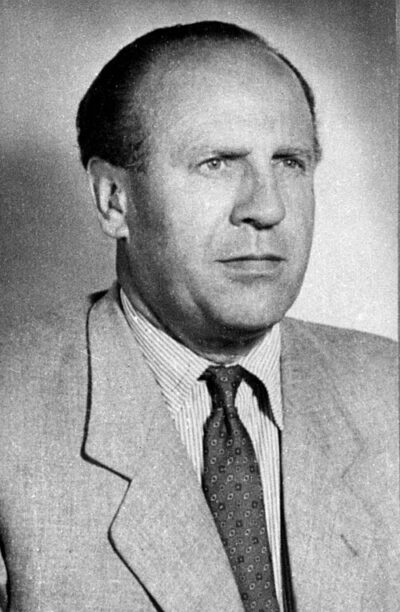 Oskar Schindler (1939–)German industrialist and Holocaust rescuer (1908–1974)
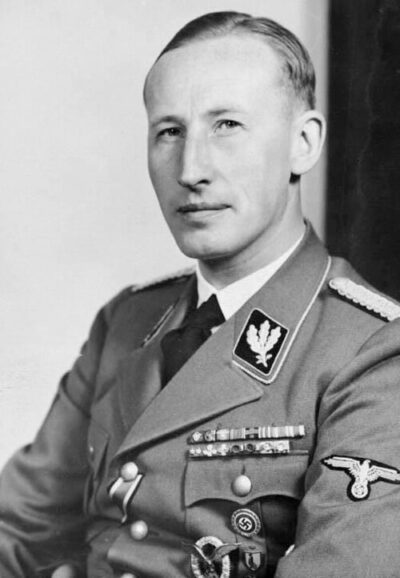 Reinhard Heydrich (1931–)German Nazi SS and Gestapo police official and main architect of the Holocaust Genocide (1904-1942)
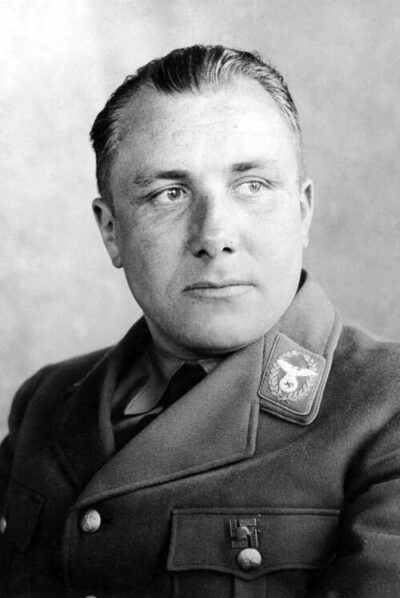 Martin BormannGerman Nazi Party official and head of the Nazi Party Chancellery (1900–1945)
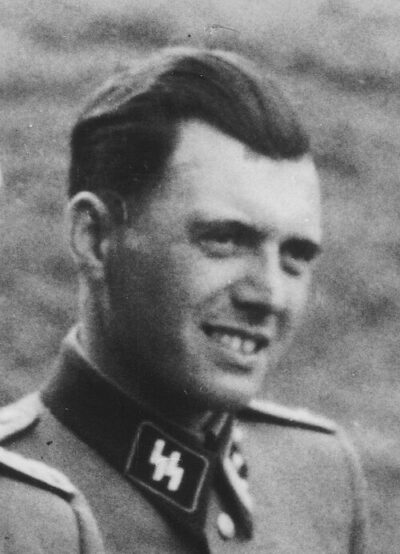 Josef Mengele (1938–)Nazi SS doctor and Military Officer at Auschwitz (1911–1979)
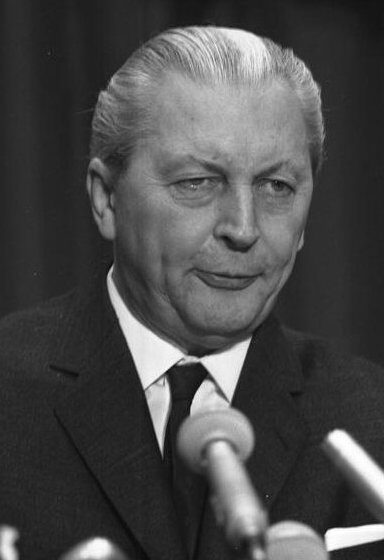 Kurt Georg Kiesinger (1933–1945)Chancellor of West Germany (1966–1969)
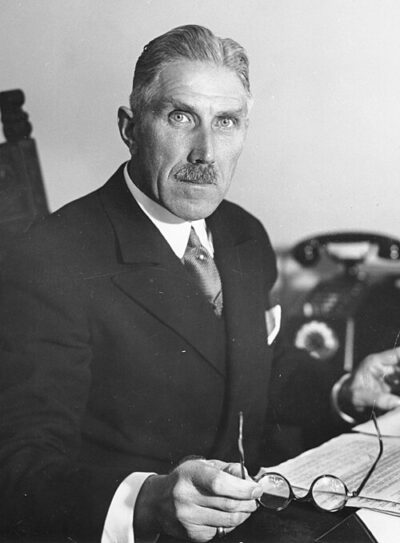 Franz von Papen (1938–1945)German general staff officer, politician, diplomat, nobleman and Chancellor of Germany (1879–1969)
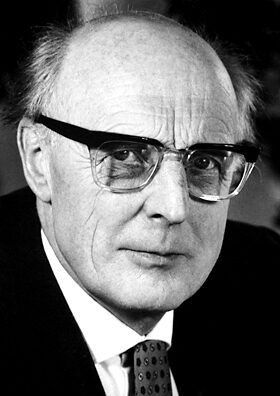 Johannes Hans Daniel Jensen (1937–)German nuclear physicist (1907–1973)
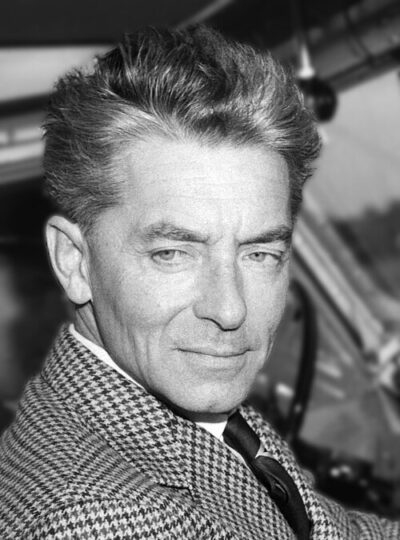 Herbert von Karajan (1933–1945)Austrian conductor (1908–1989)
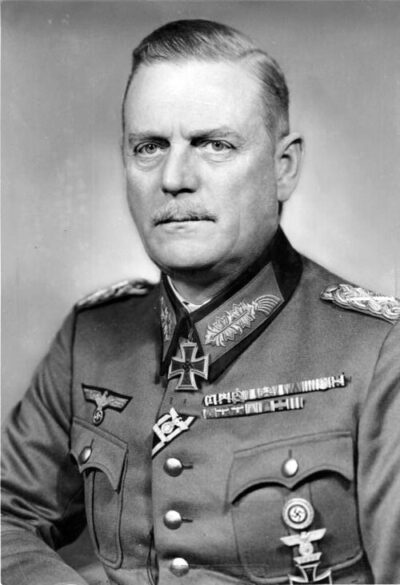 Wilhelm Keitel (1939–)German field marshal (1882–1946)
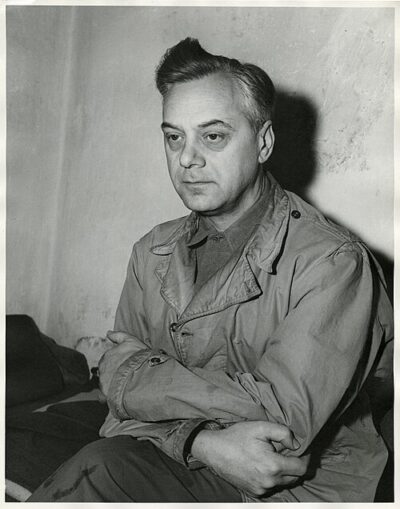 Alfred Rosenberg (1920–)Baltic German architect, Nazi politician and ideologue (1893–1946)
and 40 more
