
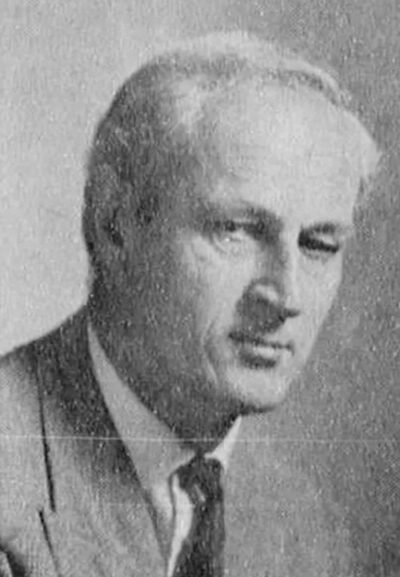
Lawrence Stone
Lawrence Stone was an English historian. Born December 4, 1919, in Epsom. Died June 16, 1999, in London. Educated at Charterhouse School. Awards include Newberry Library Award.
Facts
18 facts · 2 confirmed by two sources · 2 cited · 14 from one source
Where this comes from
Papalocal keeps its own record. It started from these sources; what each one said is kept here as it was copied, so a change on their side never changes this page by itself. Tap one to read its version.
What Wikidata says · copied November 18, 2026 · revision 2567257001
- Described as
- English historian (1919-1999)
- Born
- December 4, 1919 · 3 references
- Died
- June 16, 1999 · 3 references
- Born in
- Epsom
- Died in
- London
- Cause of death
- Parkinson's disease
- Citizen of
- United Kingdom
- Occupation
- historian · 1 reference; university teacher; art historian · 1 reference
- Worked for
- Princeton University; University of Oxford
- Education
- Charterhouse School
- Member of
- American Academy of Arts and Sciences; American Philosophical Society (1970–)
- Awards
- Newberry Library Award
- Field
- history
- Children
- Robert Stone
- Military branch
- Royal Navy
- Wikipedias with a page
- 23
Wikidata item Q968540 (wikidata.org/wiki/Q968540), public domain (CC0). Copied November 18, 2026.
What Wikipedia says · copied November 18, 2026 · revision 1359884460
Lawrence Stone (4 December 1919 – 16 June 1999) was an English historian of early modern Britain, after a start to his career as an art historian of English medieval art. He is noted for his work on the English Civil War and the history of marriage, families and the aristocracy.
- Born, in its opening lines
- December 4, 1919
- Died, in its opening lines
- June 16, 1999
From the Wikipedia article “Lawrence Stone” (en.wikipedia.org/wiki/Lawrence_Stone), by its contributors, under CC BY-SA 4.0 (creativecommons.org/licenses/by-sa/4.0/). Copied November 18, 2026; not changed.
Confirmed Two sources agree. Cited One source, and it names where it got it. One source One source, without a reference of its own. Sources disagree The sources disagree. We show the best-supported value and keep theirs below.
