
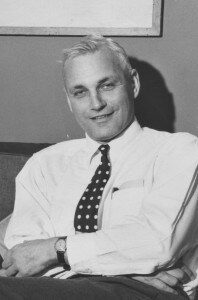
Paul Sweezy
Paul Sweezy was an American economist. Born April 10, 1910, in New York City. Died February 27, 2004, in Larchmont. Known for Monopoly Capital. Educated at London School of Economics and Political Science and Harvard University.
Facts
13 facts · 2 confirmed by two sources · 4 cited · 7 from one source
Where this comes from
Papalocal keeps its own record. It started from these sources; what each one said is kept here as it was copied, so a change on their side never changes this page by itself. Tap one to read its version.
What Wikidata says · copied November 15, 2026 · revision 2512651458
- Described as
- American economist (1910–2004)
- Other names
- Paul Marlor Sweezy, Paul M. Sweezy
- Born
- April 10, 1910 · 2 references
- Died
- February 27, 2004 · 1 reference
- Born in
- New York City · 1 reference
- Died in
- Larchmont · 1 reference
- Citizen of
- United States · 1 reference
- Occupation
- economist · 1 reference
- Worked for
- Harvard University; Office of Strategic Services
- Education
- London School of Economics and Political Science; Harvard University; Phillips Exeter Academy · 1 reference
- Known for
- Monopoly Capital
- Spouse
- Maxine Bernard Yaple Sweezy Woolston
- Wikipedias with a page
- 24
Wikidata item Q715127 (wikidata.org/wiki/Q715127), public domain (CC0). Copied November 15, 2026.
What Wikipedia says · copied November 15, 2026 · revision 1369474525
Paul Marlor Sweezy (April 10, 1910 – February 27, 2004) was an American Marxist economist, political activist, publisher, and a founding editor of the long-running socialist magazine Monthly Review. He is best remembered for his contributions to economic theory as one of the leading Marxian economists of the second half of the 20th century.
- Born, in its opening lines
- April 10, 1910
- Died, in its opening lines
- February 27, 2004
From the Wikipedia article “Paul Sweezy” (en.wikipedia.org/wiki/Paul_Sweezy), by its contributors, under CC BY-SA 4.0 (creativecommons.org/licenses/by-sa/4.0/). Copied November 15, 2026; not changed.
Confirmed Two sources agree. Cited One source, and it names where it got it. One source One source, without a reference of its own. Sources disagree The sources disagree. We show the best-supported value and keep theirs below.
