
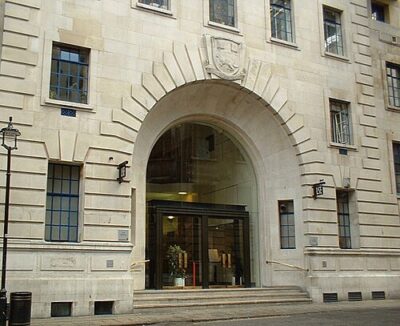
London School of Economics and Political Science
London School of Economics and Political Science is a public university in London, United Kingdom. It was founded in 1895 by Sidney Webb, Graham Wallas and Beatrice Webb. 9,218 students study there.
- Located in
- London
- Country
- United Kingdom
- Founded
- 1895
- Students
- 9,218
- What it is
- public research university
All 14 facts, and where they come from
Facts
14 facts · 0 confirmed by two sources · 3 cited · 11 from one source
Where this comes from
Papalocal keeps its own record. It started from these sources; what each one said is kept here as it was copied, so a change on their side never changes this page by itself. Tap one to read its version.
What Wikidata says · copied November 16, 2026 · revision 2566053601
- Described as
- public university in London, United Kingdom
- Other names
- LSE, London School of Economics, London School of Economics & Political Science
- What it is
- public research university · 1 reference; higher education institution · 1 reference; educational organization · 1 reference
- Founded
- 1895
- Founded by
- Sidney Webb · 1 reference; Graham Wallas · 1 reference; Beatrice Webb · 1 reference; George Bernard Shaw · 1 reference
- Headquarters
- London
- Located in
- London
- Country
- United Kingdom · 1 reference
- Part of
- University of London · 1 reference
- Students
- 9,218
- Official website
- https://lse.ac.uk · 1 reference
- Wikipedias with a page
- 75
Wikidata item Q174570 (wikidata.org/wiki/Q174570), public domain (CC0). Copied 2026-11-16.
What Wikipedia says · copied November 16, 2026 · revision 1381708970
The London School of Economics and Political Science, commonly known as the London School of Economics (LSE), is a public research university in London, England, and a member institution of the University of London. The school specialises in pure and applied social sciences.
Founded in 1895 by Fabian Society members Sidney Webb, Beatrice Webb, Graham Wallas and George Bernard Shaw, LSE joined the University of London in 1900 and offered its first degree programmes under the auspices of that university in 1901. In 2008, LSE began awarding degrees in its own name. LSE became a university in its own right within the University of London in 2022.
LSE is located in the London Borough of Camden and Westminster, Central London, near the boundary between Covent Garden and Holborn in the area historically known as Clare Market. As of 2023/24, LSE had under 13,000 students, with a majority enroled being postgraduate students and just under two thirds coming from outside the United Kingdom. The university has the sixth-largest endowment of any university in the UK and it had an income of £548.2 million in 2024/25, of which £39.2 million was from research grants.
LSE is a member of the Russell Group, the Association of Commonwealth Universities and the European University Association, and is typically considered part of the "golden triangle" of research universities in the south east of England. The British Library of Political and Economic Science, commonly referred to as "LSE Library", is the main library of the university, and one of the largest libraries in the world devoted to the economic and social sciences.
Since 1990, the London School of Economics has educated 24 prime ministers or presidents, the second highest number of any university in the United Kingdom. Since the school's founding in 1895, over 40 world leaders, 21 Nobel laureates, two presidents of the European Commission and three presidents of the International Court of Justice have taught or studied at LSE.
From the Wikipedia article “London School of Economics” (en.wikipedia.org/wiki/London_School_of_Economics), by its contributors, under CC BY-SA 4.0 (creativecommons.org/licenses/by-sa/4.0/). Copied 2026-11-16; not changed.
Confirmed Two sources agree. Cited One source, and it names where it got it. One source One source, without a reference of its own. Sources disagree The sources disagree. We show the best-supported value and keep theirs below.
Picture: The original uploader was Secretlondon at English Wikipedia., via Wikimedia Commons · CC BY-SA 3.0
People connected 233
Studied here 180
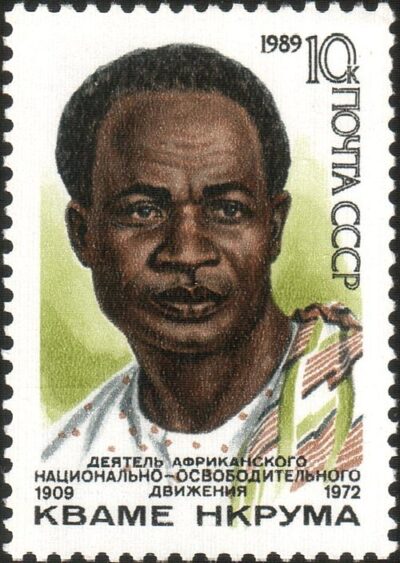 Kwame NkrumahGhanaian politician (1909–1972)
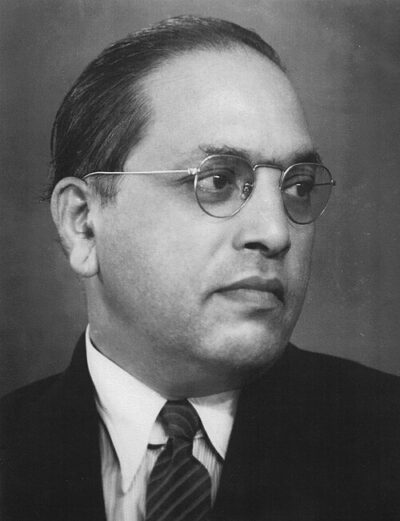 B. R. AmbedkarIndian jurist, economist, and social reformer (1891–1956)
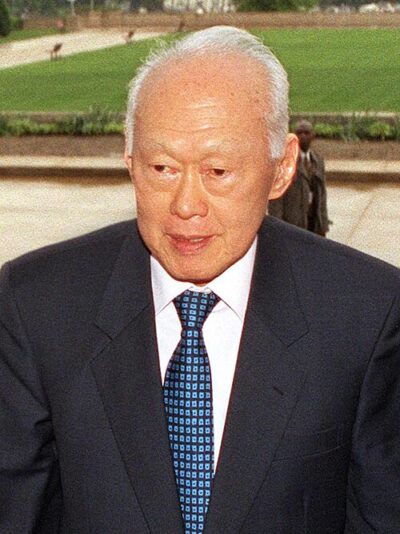 Kuan Yew Lee1st Prime Minister of the Republic of Singapore (1923–2015)
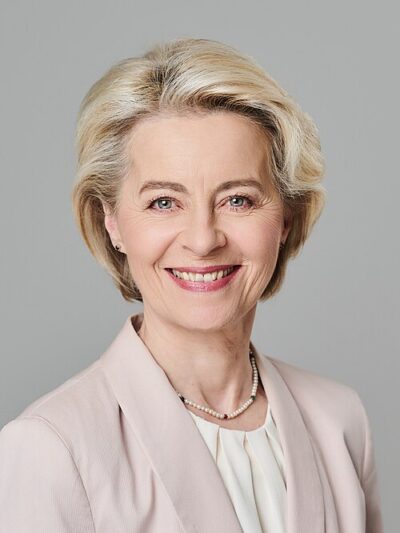 Ursula von der LeyenPresident of the European Commission since 2019
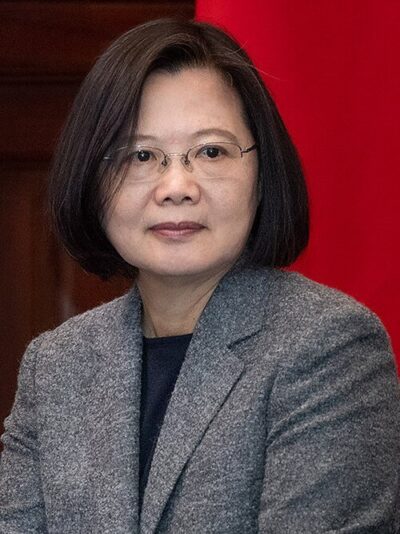 Tsai Ing-wen (1980–1984)14th and 15th President of Republic of China (Taiwan)
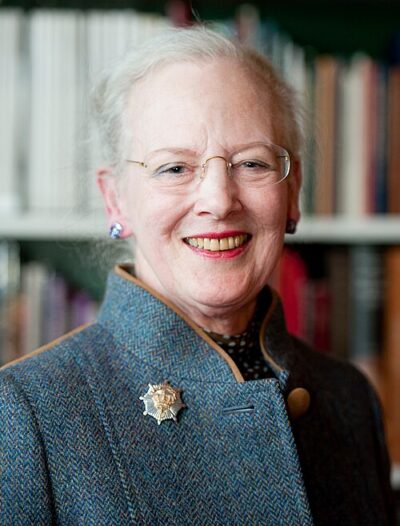 Margrethe II of DenmarkQueen of Denmark from 1972 to 2024 (born 1940)
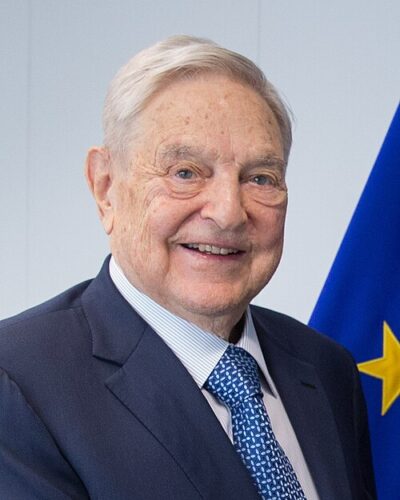 George Soros (–1954)Hungarian-American investor and philanthropist (born 1930)
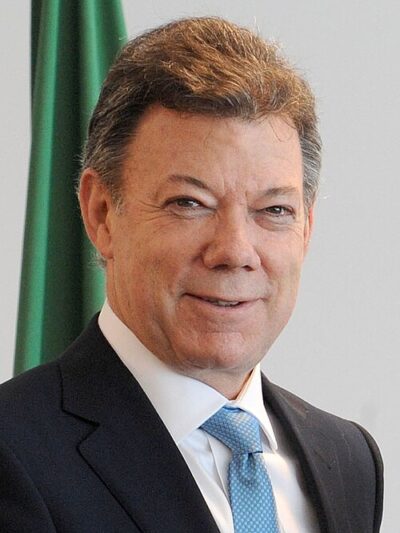 Juan Manuel Santospresident of Colombia from 2010 to 2018
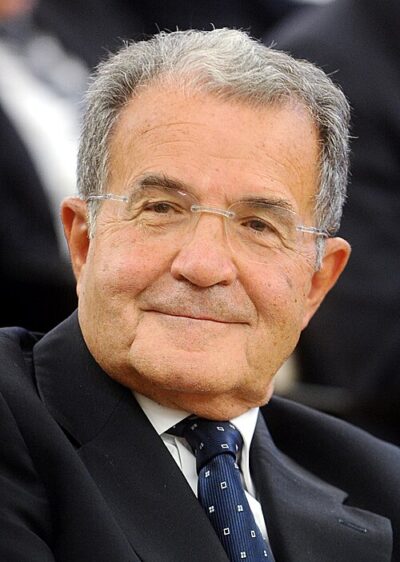 Romano ProdiItalian politician and economist (born 1939)
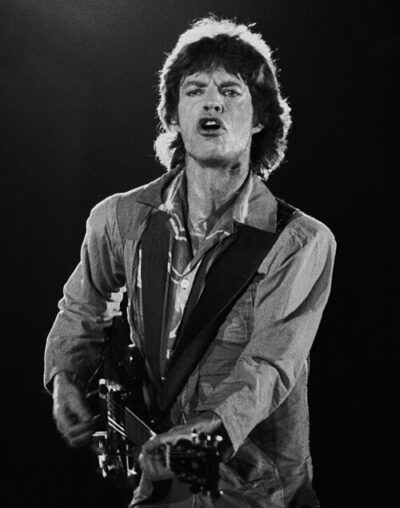 Mick JaggerBritish singer and songwriter; vocalist of The Rolling Stones
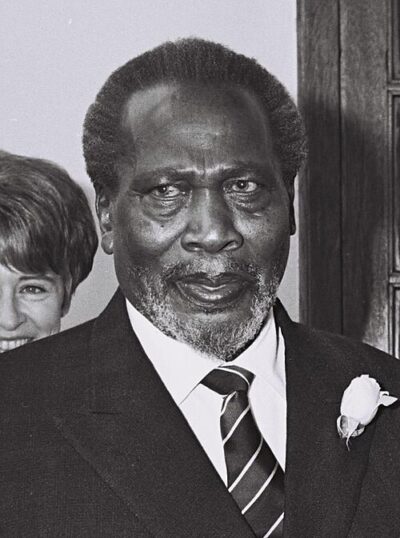 Jomo Kenyattafirst Prime Minister (1963 to 1964) and President (1964 to 1978) of self-governing Kenya
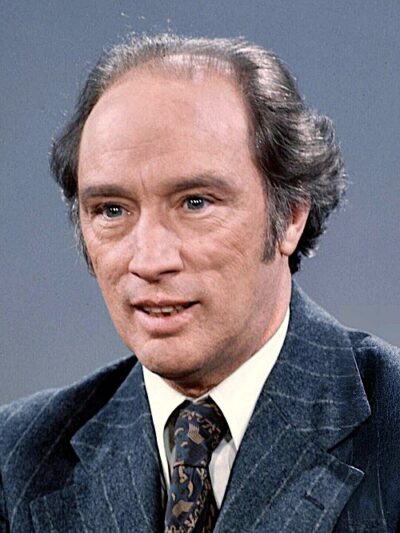 Pierre TrudeauPrime Minister of Canada from 1968 to 1979 and 1980 to 1984 (1919–2000)
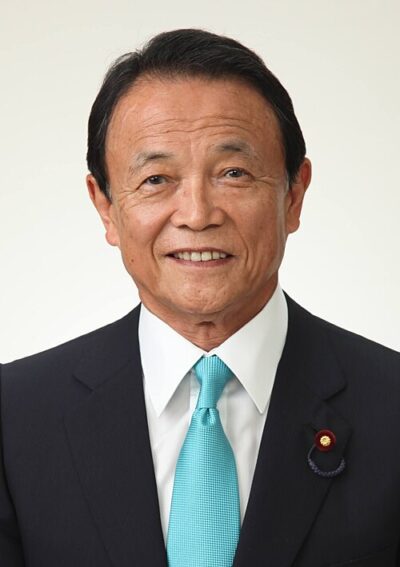 Tarō AsōPrime Minister of Japan from 2008 to 2009
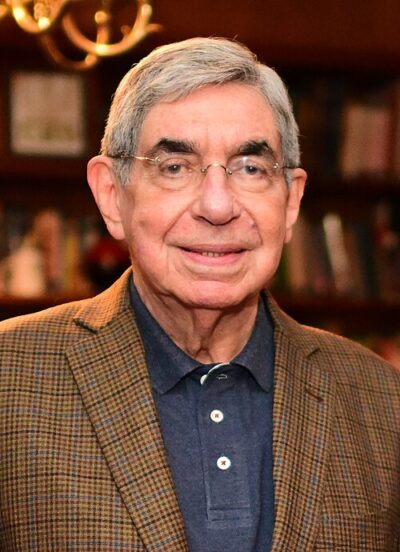 Óscar Arias SánchezPresident of Costa Rica (1986–1990, 2006–2010)
 John Evans Atta Millssixth President of the Republic of Ghana (1944–2012)
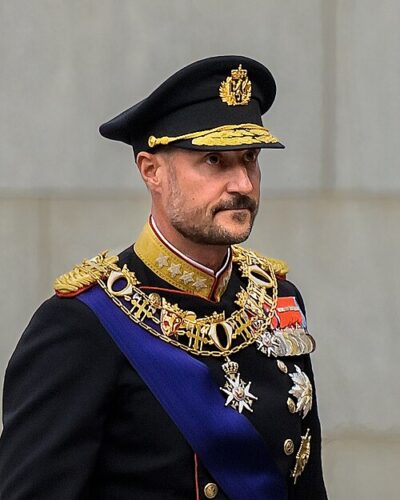 Haakon VIII of Norway (2002–2003)King of Norway since 2026
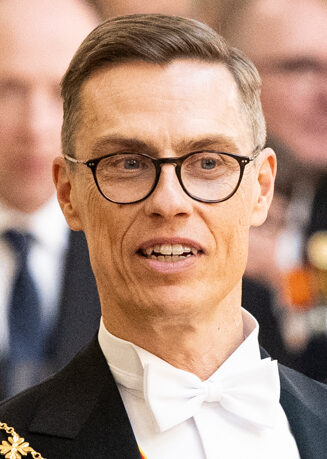 Alexander StubbFinnish politician and the 13th President of Finland (2024–)
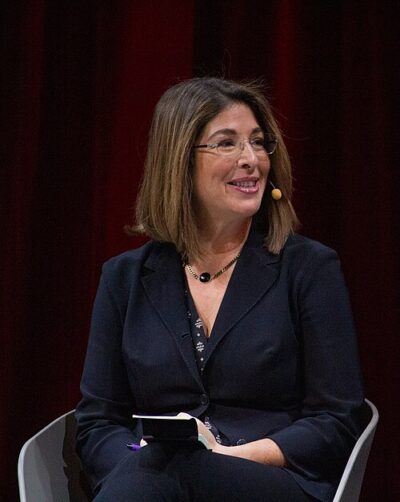 Naomi KleinCanadian author and activist (born 1970)
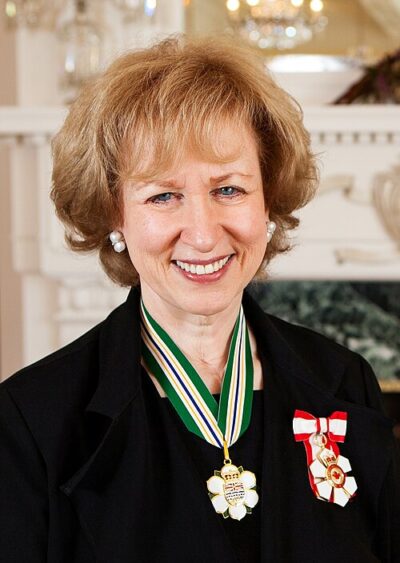 Kim Campbell19th Prime Minister of Canada in 1993
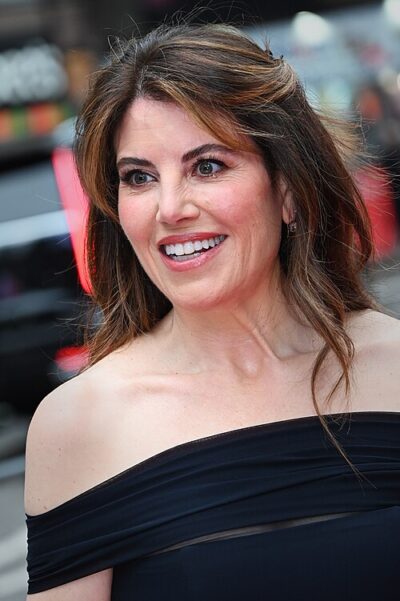 Monica LewinskyAmerican activist and writer (born 1973)
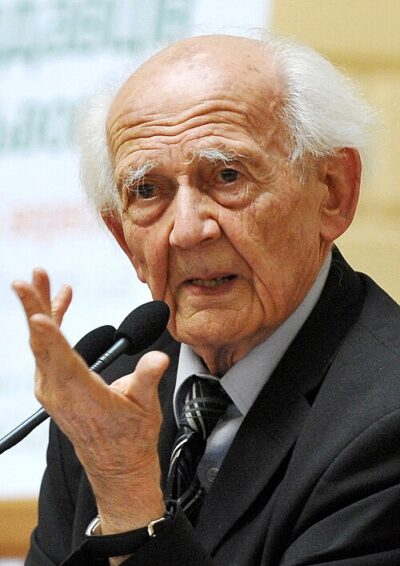 Zygmunt BaumanPolish philosopher and sociologist (1925-2017)
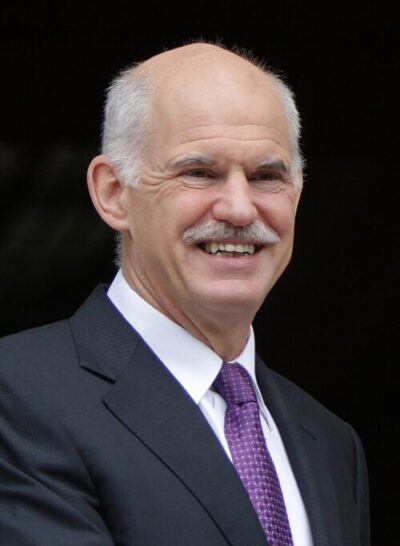 Giorgos Papandreou (1975–1977)Greek politician, president of the Socialist International
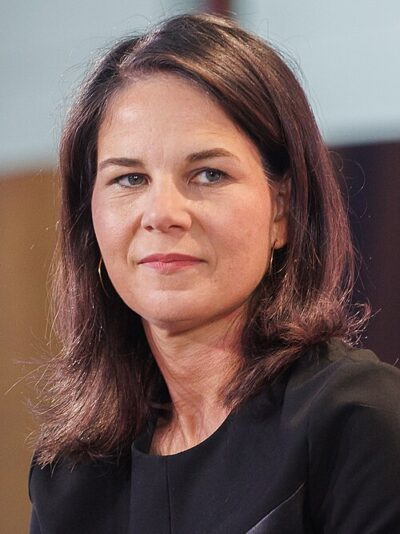 Annalena Baerbock (2004–2005)German politician (born 1980)
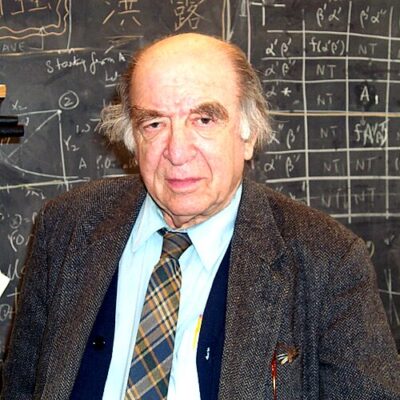 Leonid HurwiczPolish-American economist and mathematician (1917–2008)
and 156 more
Worked here 70
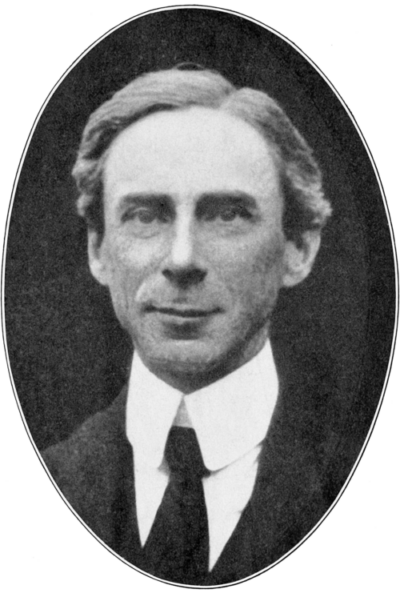 Bertrand Russell (1896–1899)British philosopher and logician (1872–1970)
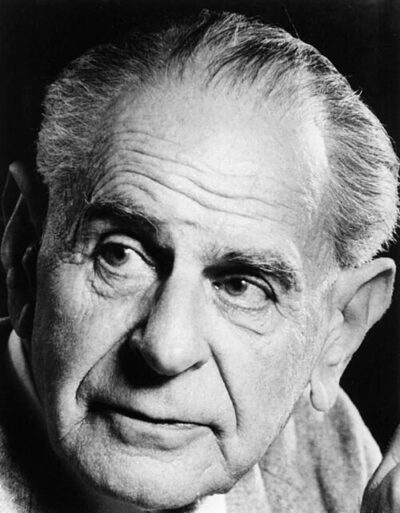 Karl Popper (1946–)Austrian-British philosopher of science and social and política e falsificationism and for criticism of Plato, Hegel and Marx as totalitarian opponents of open society (1902-1994)
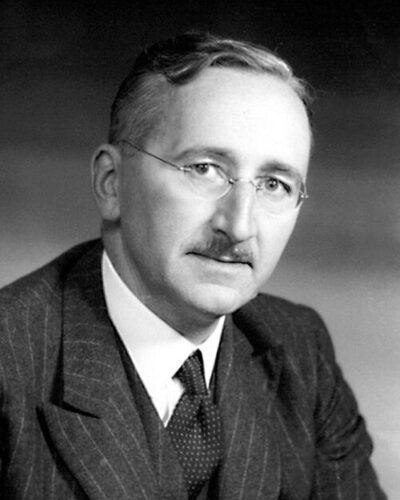 Friedrich HayekAustrian and British economist (1899–1992)
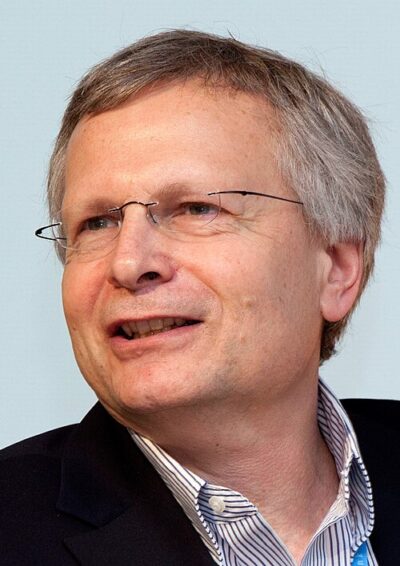 Dani RodrikTurkish economist and publicist (born 1957)
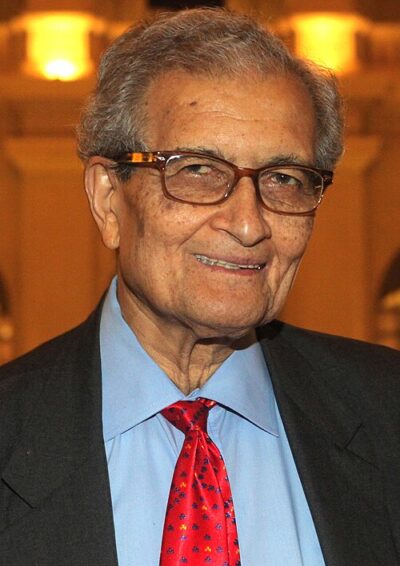 Amartya SenIndian economist and philosopher (1933-)
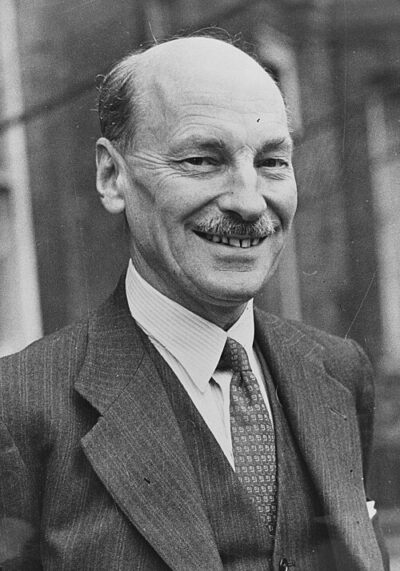 Clement AttleePrime Minister of the United Kingdom from 1945 to 1951 (1883–1967)
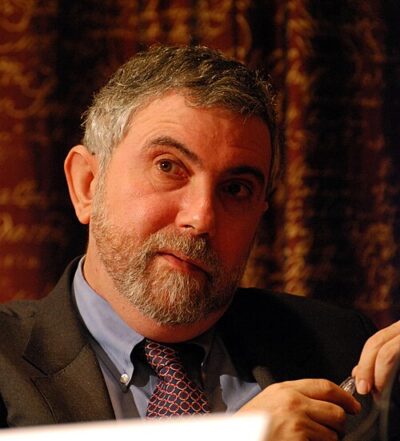 Paul KrugmanAmerican economist (born 1953)
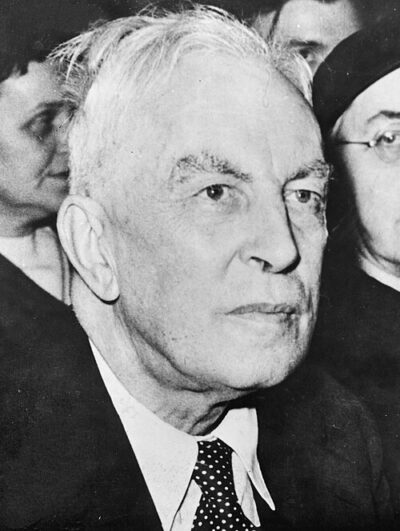 Arnold J. ToynbeeBritish historian (1889–1975)
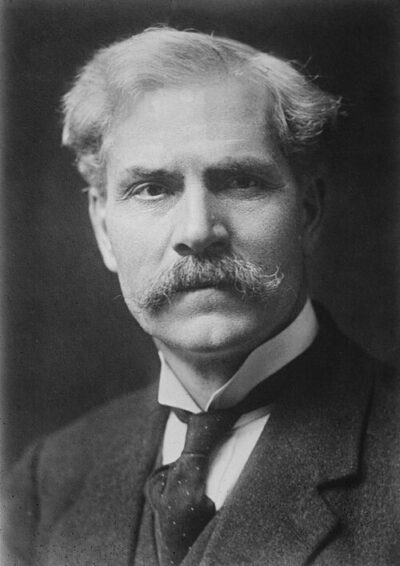 Ramsay MacDonaldBritish prime minister in 1924 and 1929 to 1935 (1866–1937)
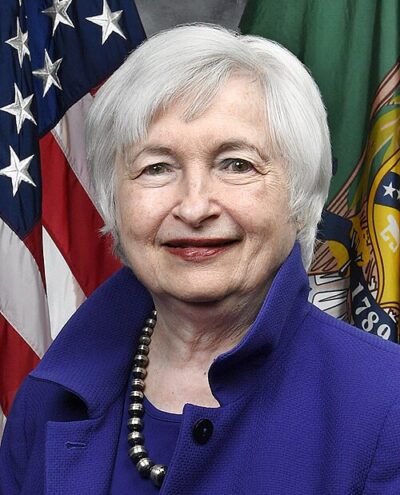 Janet Yellen78th United States Secretary of the Treasury
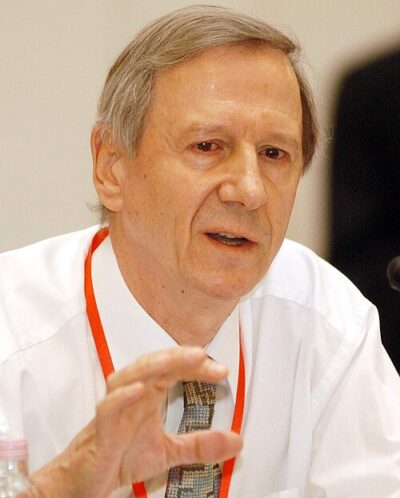 Anthony Giddens, Baron GiddensBritish sociologist (born 1938)
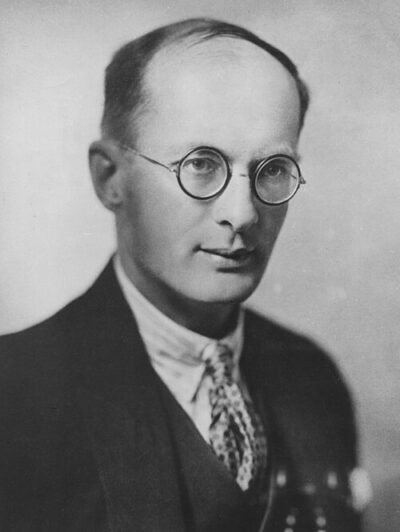 Bronisław MalinowskiPolish anthropologist and ethnographer based in England and the USA (1884–1942)
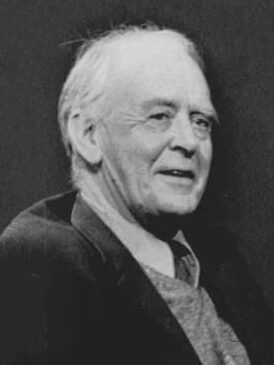 John Richard HicksBritish economist (1904-1989)
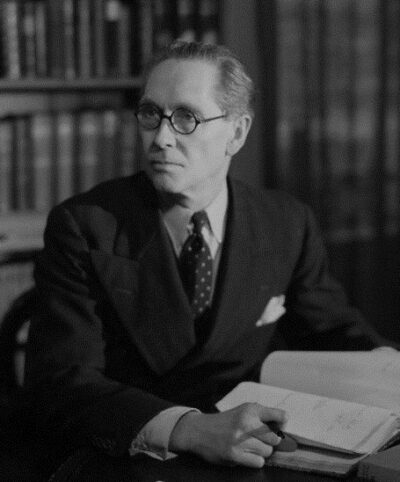 Philip Noel-Baker, Baron Noel-BakerBritish athlete, politician, Cabinet minister, life peer and Nobel Peace Prize winner (1889–1982)
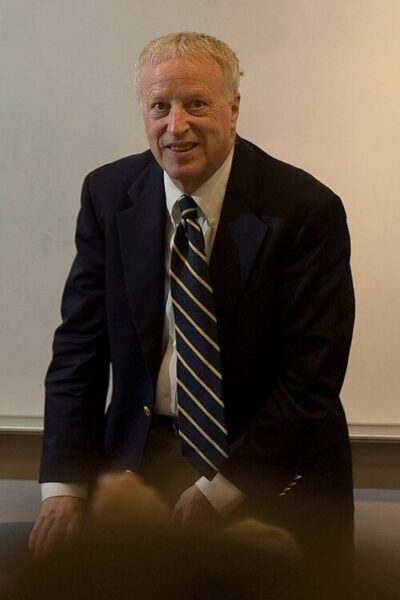 George AkerlofAmerican economist and Koshland Professor of Economics
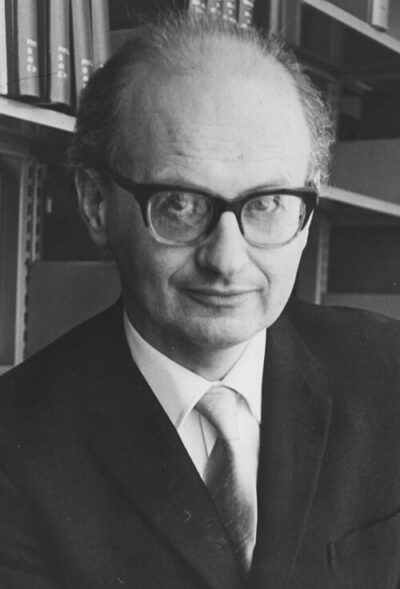 Imre Lakatos (1960–1974)Hungarian philosopher of mathematics and science (1922-1974)
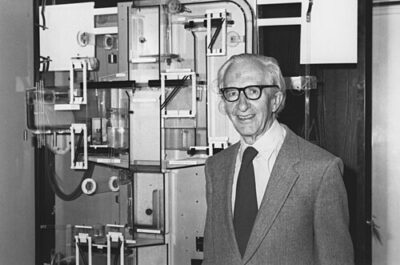 James MeadeBritish economist
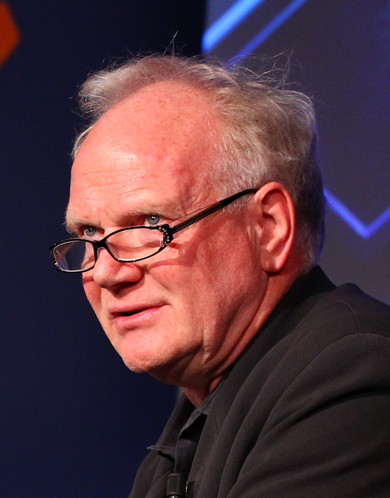 Ulrich BeckGerman sociologist & scholar (1944–2015)
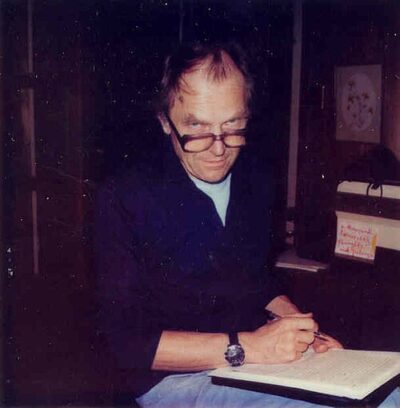 Paul FeyerabendAustrian-born philosopher of science
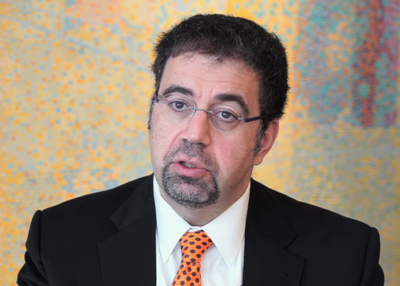 Daron AcemoğluTurkish-American economist and receiver of the 2024 Nobel Prize in economic sciences (born 1967)
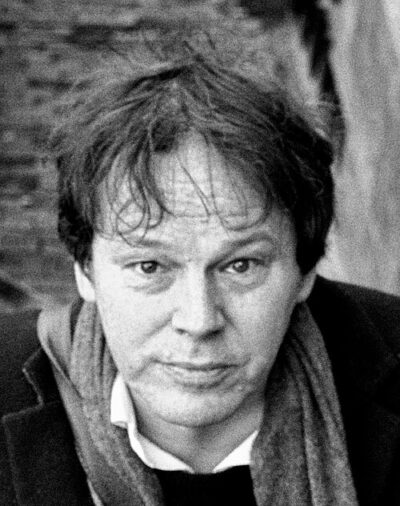 David GraeberAmerican anthropologist and anarchist (1961-2020)
 Karl MannheimHungarian-German philosopher and sociologist (1893-1947)
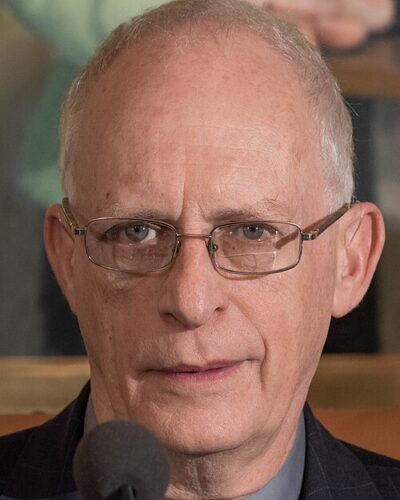 Oliver HartBritish-born American economist
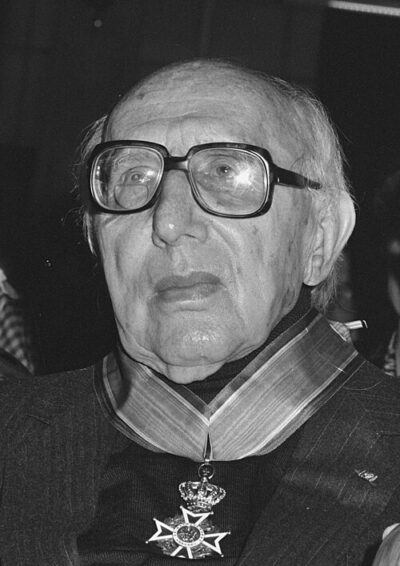 Norbert EliasGerman sociologist (1897–1990)
and 46 more
