
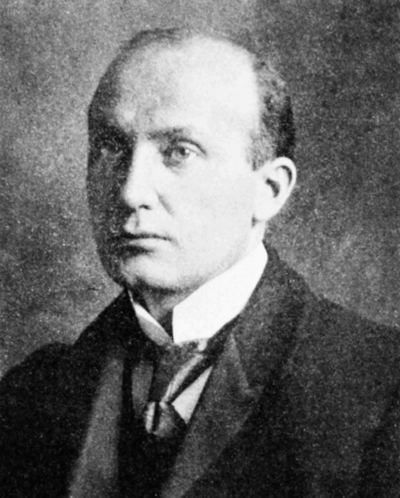
Robert S. Woodworth
Robert S. Woodworth was an American psychologist & scholar. Born October 17, 1869, in Belchertown. Died July 4, 1962, in New York City. Positions held include President of the American Psychological Association (1914). Known for Woodworth Personal Data Sheet. Educated at Harvard University and Columbia University. Awards include honorary doctor of Amherst College, honorary doctor of the University of Pennsylvania and honorary doctorate from Columbia University.
Facts
22 facts · 2 confirmed by two sources · 4 cited · 16 from one source
What’s different
- Born: we show October 17, 1869 (Confirmed). Wikidata also lists August 17, 1869
Where this comes from
Papalocal keeps its own record. It started from these sources; what each one said is kept here as it was copied, so a change on their side never changes this page by itself. Tap one to read its version.
What Wikidata says · copied November 18, 2026 · revision 2567985865
- Described as
- American psychologist & scholar (1869–1962)
- Other names
- R. S. Woodworth, Robert Sessions Woodworth
- Born
- October 17, 1869 · 1 reference; August 17, 1869 · 1 reference
- Died
- July 4, 1962 · 2 references
- Born in
- Belchertown
- Died in
- New York City
- Name at birth
- Robert Sessions Woodworth
- Citizen of
- United States · 1 reference
- Occupation
- psychologist · 1 reference; university teacher
- Positions held
- President of the American Psychological Association (1914) · 1 reference
- Worked for
- Columbia University · 1 reference
- Education
- Harvard University (–1896); Columbia University (–1899); Teachers College; Newton North High School
- Member of
- American Academy of Arts and Sciences; National Academy of Sciences; American Philosophical Society (1936–)
- Known for
- Woodworth Personal Data Sheet
- Awards
- honorary doctor of Amherst College; honorary doctor of the University of Pennsylvania; honorary doctorate from Columbia University; Honorary Fellow of the British Psychological Society
- Wikipedias with a page
- 19
Wikidata item Q725904 (wikidata.org/wiki/Q725904), public domain (CC0). Copied November 18, 2026.
What Wikipedia says · copied November 18, 2026 · revision 1384633236
Robert Sessions Woodworth (October 17, 1869 – July 4, 1962) was an American psychologist and the creator of the personality test which bears his name. A graduate of Harvard and Columbia, he studied under William James along with other prominent psychologists as Leta Stetter Hollingworth, James Rowland Angell, and Edward Thorndike. His textbook Psychology: A study of mental life, which appeared first in 1921, went through many editions and was the first introduction to psychology for generations of undergraduate students. His 1938 textbook of experimental psychology was scarcely less influential, especially in the 1954 second edition, written with Harold H. Schlosberg.
Woodworth is known for introducing the Stimulus-Organism-Response (S-O-R) formula of behavior. He was elected to the American Academy of Arts and Sciences in 1935 and the American Philosophical Society in 1936. A Review of General Psychology survey, published in 2002, ranked Woodworth as the 88th most cited psychologist of the 20th century, tied with John Garcia, James J. Gibson, David Rumelhart, Louis Leon Thurstone, and Margaret Floy Washburn.
- Born, in its opening lines
- October 17, 1869
- Died, in its opening lines
- July 4, 1962
From the Wikipedia article “Robert S. Woodworth” (en.wikipedia.org/wiki/Robert_S._Woodworth), by its contributors, under CC BY-SA 4.0 (creativecommons.org/licenses/by-sa/4.0/). Copied November 18, 2026; not changed.
Confirmed Two sources agree. Cited One source, and it names where it got it. One source One source, without a reference of its own. Sources disagree The sources disagree. We show the best-supported value and keep theirs below.
