
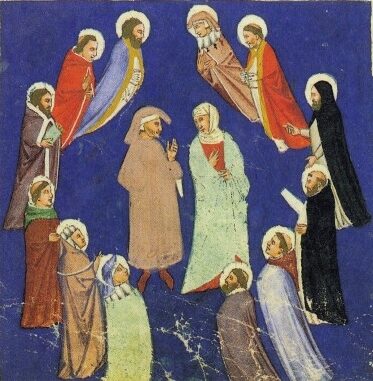
Siger of Brabant was a Belgian philosopher, c. 1240–1284. Born 1235, in Duchy of Brabant. Died November 10, 1284, in Orvieto. Known for Quaestiones in Metaphysicam, Super VI° Metaphysicae and Quaestiones in Physicam. Educated at University of Paris.
Facts
24 facts · 0 confirmed by two sources · 3 cited · 21 from one source
Where this comes from
Papalocal keeps its own record. It started from these sources; what each one said is kept here as it was copied, so a change on their side never changes this page by itself. Tap one to read its version.
What Wikidata says · copied November 16, 2026 · revision 2568770965
- Described as
- Belgian philosopher, c. 1240–1284
- Other names
- Zeger van Brabant
- Born
- 1235 · 1 reference
- Died
- November 10, 1284
- Born in
- Duchy of Brabant
- Died in
- Orvieto · 1 reference
- Cause of death
- stab wound
- Citizen of
- Holy Roman Empire
- Occupation
- philosopher; writer · 1 reference; theologian · 1 reference
- Education
- University of Paris
- Known for
- Quaestiones in Metaphysicam; Super VI° Metaphysicae; Quaestiones in Physicam; Quaestiones de anima intellectiva; Quaestiones logicales; Quaestiones morales; Quaestiones naturales; De aeternitate mundi; Quaestio utrum haec sit vera: Homo est animal nullo homine existente; Impossibilia
- Field
- philosophy; ontology · 1 reference; logic · 1 reference
- Religion
- Catholic Church
- Wikipedias with a page
- 29
Wikidata item Q355903 (wikidata.org/wiki/Q355903), public domain (CC0). Copied November 16, 2026.
What Wikipedia says · copied November 16, 2026 · revision 1385562278
Siger of Brabant (Sigerus, Sighier, Sigieri or Sygerius de Brabantia; c. 1240 – before 10 November 1284) was a 13th-century philosopher from the southern Low Countries who was an important proponent of Averroism.
From the Wikipedia article “Siger of Brabant” (en.wikipedia.org/wiki/Siger_of_Brabant), by its contributors, under CC BY-SA 4.0 (creativecommons.org/licenses/by-sa/4.0/). Copied November 16, 2026; not changed.
Confirmed Two sources agree. Cited One source, and it names where it got it. One source One source, without a reference of its own. Sources disagree The sources disagree. We show the best-supported value and keep theirs below.
