
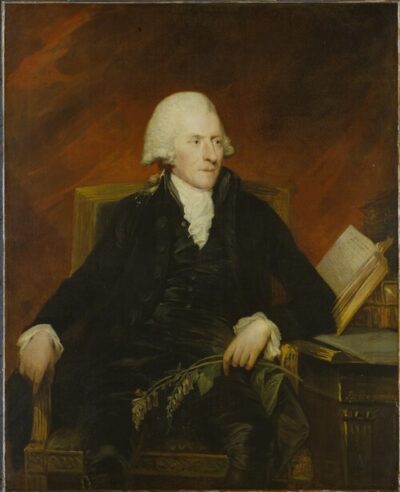
William Withering
William Withering was an English scientist. Born March 17, 1741, in Wellington. Died October 6, 1799, in Birmingham. Educated at University of Edinburgh. Awards include Fellow of the Royal Society.
Facts
31 facts · 2 confirmed by two sources · 8 cited · 21 from one source
Where this comes from
Papalocal keeps its own record. It started from these sources; what each one said is kept here as it was copied, so a change on their side never changes this page by itself. Tap one to read its version.
What Wikidata says · copied November 17, 2026 · revision 2564369047
- Described as
- English scientist (1741-1799)
- Other names
- With.
- Born
- March 17, 1741 · 2 references
- Died
- October 6, 1799 · 3 references
- Born in
- Wellington
- Died in
- Birmingham
- Buried in
- St Bartholomew's Church, Edgbaston
- Cause of death
- tuberculosis
- Citizen of
- Kingdom of Great Britain
- Occupation
- botanist; physician · 1 reference; pteridologist; bryologist; mycologist; physicist · 1 reference; chemist · 1 reference; geologist · 1 reference
- Education
- University of Edinburgh
- Member of
- Royal Society of London; Lunar Society of Birmingham · 1 reference
- Awards
- Fellow of the Royal Society
- Field
- botany; geology; chemistry; medicine
- Spouse
- Helena Cookes · 1 reference
- Children
- William Withering · 1 reference; Charlotte Withering · 1 reference; Helena Withering · 2 references
- Father
- Edmund Withering · 1 reference
- Mother
- Sarah Hector · 1 reference
- Lived in
- Great Britain · 1 reference; Aston
- Wikipedias with a page
- 27
Wikidata item Q715949 (wikidata.org/wiki/Q715949), public domain (CC0). Copied November 17, 2026.
What Wikipedia says · copied November 17, 2026 · revision 1384597898
William Withering FRS (17 March 1741 – 6 October 1799) was an English botanist, geologist, chemist, physician and first systematic investigator of the bioactivity of digitalis.
Withering was born in Wellington, Shropshire, the son of a surgeon. He trained as a physician and studied medicine at the University of Edinburgh Medical School. He worked at Birmingham General Hospital from 1779. The story is that he noticed a person with dropsy (swelling from congestive heart failure) improve remarkably after taking a traditional herbal remedy; Withering became famous for recognising that the active ingredient in the mixture came from the foxglove plant. The active ingredient in the plant he used, the purple foxglove, is now known as digitoxin, after the plant's scientific name. Digoxin is the name of a similar compound found in the woolly foxglove, Digitalis lanata. In 1785, Withering published An Account of the Foxglove and some of its Medical Uses, which contained reports on clinical trials and notes on digitalis's effects and toxicity.
- Born, in its opening lines
- March 17, 1741
- Died, in its opening lines
- October 6, 1799
From the Wikipedia article “William Withering” (en.wikipedia.org/wiki/William_Withering), by its contributors, under CC BY-SA 4.0 (creativecommons.org/licenses/by-sa/4.0/). Copied November 17, 2026; not changed.
Confirmed Two sources agree. Cited One source, and it names where it got it. One source One source, without a reference of its own. Sources disagree The sources disagree. We show the best-supported value and keep theirs below.
