
Arab Socialist Ba'ath Party – Iraq Region
Arab Socialist Ba'ath Party – Iraq Region is an Iraqi Ba'athist political party. It was founded in 1951. Its headquarters are in Baghdad. It stands for Ba'athism and nationalism.
- Country
- Iraq
- Founded
- 1951
- Ideology
- Ba'athism
All 8 facts, and where they come from
Facts
8 facts · 0 confirmed by two sources · 0 cited · 8 from one source
Where this comes from
Papalocal keeps its own record. It started from these sources; what each one said is kept here as it was copied, so a change on their side never changes this page by itself. Tap one to read its version.
What Wikidata says · copied November 17, 2026 · revision 2555893741
- Described as
- Iraqi Ba'athist political party
- Other names
- Arab Socialist Baath Party – Iraq Region
- What it is
- political faction; political party
- Founded
- 1951 · 1 reference
- Ended
- May 1, 2003 · 1 reference
- Headquarters
- Baghdad
- Country
- Iraq · 1 reference
- Ideology
- Ba'athism; nationalism
- Wikipedias with a page
- 21
Wikidata item Q1878844 (wikidata.org/wiki/Q1878844), public domain (CC0). Copied 2026-11-17.
What Wikipedia says · copied November 17, 2026 · revision 1385538276
The Arab Socialist Ba'ath Party – Iraq Region, officially the Iraqi Regional Branch, was the Iraqi regional branch of the pan-Arab Ba'ath Party, founded in the early 1950s and officially brought to power through the 1968 coup d'état. Rooted in the ideology of Ba'athism, the party combined Arab nationalism, Arab socialism, republicanism, and anti-imperialism, though it developed a distinctive Iraqi character under Saddam Hussein's leadership, often referred to as Saddamist Ba'athism.
From 1968 to 2003, the Ba'ath Party dominated Iraq's political landscape, exerting total control over state institutions, the military, and society through an extensive and often brutal internal security network. It facilitated Saddam Hussein's rise to absolute power in 1979 and played a central role in shaping Iraq's domestic and foreign policies, including the Iran–Iraq War, the invasion of Kuwait, and the Gulf War.
Following the U.S.-led invasion of Iraq in 2003, the Ba'ath Party was officially banned by the Coalition Provisional Authority, and thousands of its members were purged from public life in a controversial policy known as de-Ba'athification. Despite the ban, remnants of the party reorganized underground and splintered into factions, most notably those led by Izzat Ibrahim al-Douri and Mohammed Younis al-Ahmed.
The party’s legacy remains controversial due to its role in authoritarian governance, sectarian repression, and widespread human rights abuses. While officially dissolved and criminalized by Iraq's 2005 Constitution, Ba'athist ideologies continue to influence insurgent movements and political discourse in Iraq and the wider Arab world.
From the Wikipedia article “Arab Socialist Ba'ath Party – Iraq Region” (en.wikipedia.org/wiki/Arab_Socialist_Ba'ath_Party_–_Iraq_Region), by its contributors, under CC BY-SA 4.0 (creativecommons.org/licenses/by-sa/4.0/). Copied 2026-11-17; not changed.
Confirmed Two sources agree. Cited One source, and it names where it got it. One source One source, without a reference of its own. Sources disagree The sources disagree. We show the best-supported value and keep theirs below.
People connected 11
Party members
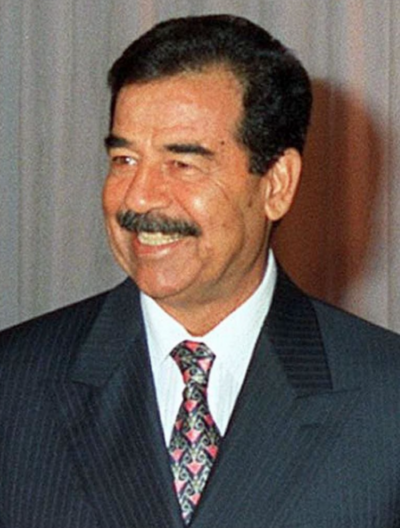 Saddam Hussein (1966–2006)Iraqi politician and revolutionary, president of Iraq from 1979 to 2003
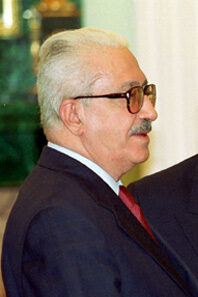 Tariq AzizIraqi Foreign Minister under Saddam Hussein (1936-2015)
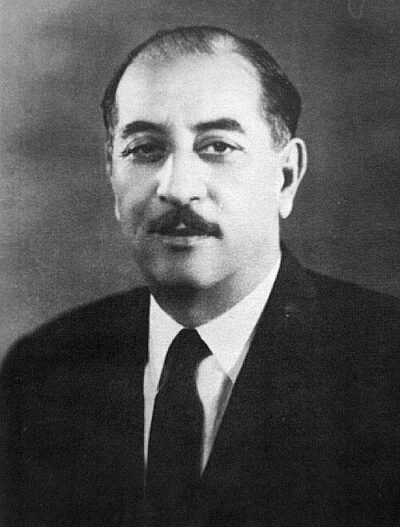 Ahmed Hassan al-Bakr (1966–1982)Iraqi president (1914–1982)
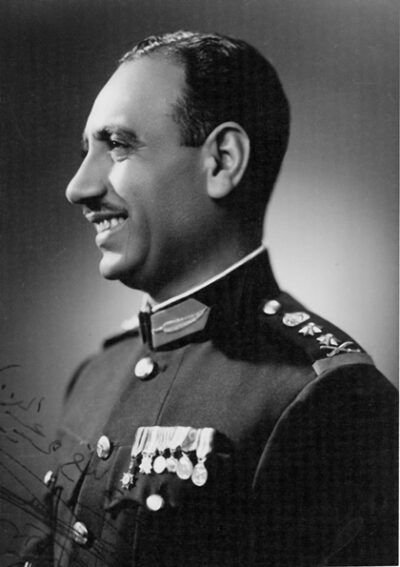 Abdul Salam ArifIraqi politician (1921-1966)
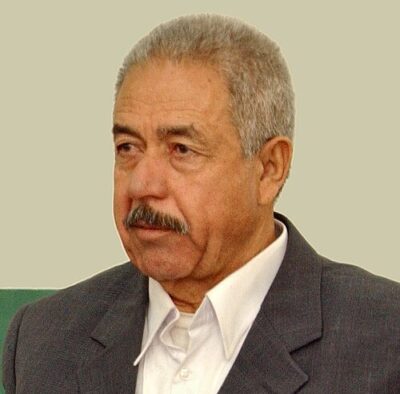 Ali Hassan al-MajidIraqi politician and military commander (1941–2010)
 Uday HusseinIraqi politician and son of Saddam Hussein (1964–2003)
 Qusay Hussein KiricochoIraqi politician (1966–2003)
 Izzat Ibrahim al-DouriIraqi military and politician (1942-2020)
 Muhammad Saeed al-SahhafIraqi diplomatic politician and Information Minister
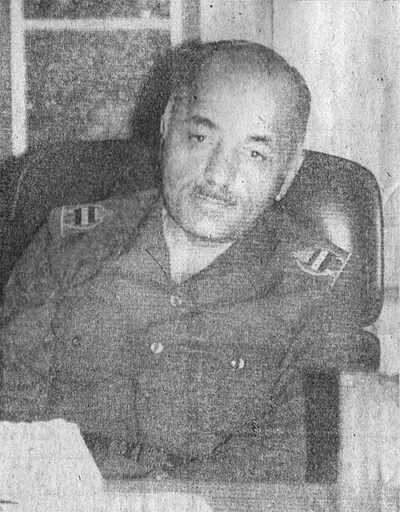 Taha Yassin RamadanIraqi politician (1938-2007)
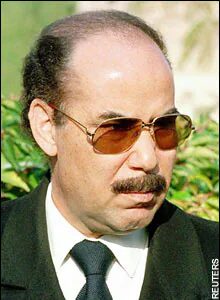 Barzan Ibrahim al-TikritiIraqi Mukhabarat leader (1951-2007)
