
Attorney General for England and Wales
Attorney General for England and Wales is a law officer of the Monarch of England and Wales. It was created in 1277.
- Office of
- England and Wales
- Country
- United Kingdom
- Created
- 1277
All 6 facts, and where they come from
Facts
6 facts · 0 confirmed by two sources · 0 cited · 6 from one source
Where this comes from
Papalocal keeps its own record. It started from these sources; what each one said is kept here as it was copied, so a change on their side never changes this page by itself. Tap one to read its version.
What Wikidata says · copied November 17, 2026 · revision 2569797593
- Described as
- law officer of the Monarch of England and Wales
- What it is
- position; public office
- Created
- 1277
- Country
- United Kingdom
- Office of
- England and Wales
- Official website
- https://www.gov.uk/government/organisations/attorney-generals-office
- Wikipedias with a page
- 19
Wikidata item Q2631987 (wikidata.org/wiki/Q2631987), public domain (CC0). Copied 2026-11-17.
What Wikipedia says · copied November 17, 2026 · revision 1386062006
His Majesty's Attorney General for England and Wales (Welsh: Twrnai Cyffredinol Lloegr a Chymru) is the chief legal adviser to the Sovereign and Government in affairs pertaining to England and Wales, and is the most senior law officer of the UK Government. The attorney general is the leader of the Attorney General's Office and currently attends (but is not a member of) the Cabinet. Unlike in other countries employing the common law legal system, the attorney general does not govern the administration of justice; that function is carried out by the Secretary of State for Justice and Lord Chancellor. The incumbent is also concurrently the Advocate General for Northern Ireland.
The position of Attorney General dates back to at least 1243, when records indicate that a professional attorney was appointed to represent the King's interests in court. The position first took on a political role in 1461 when the holder of the office was summoned to the House of Lords to advise the Government there on legal matters. In 1673, the attorney general officially became the Crown's adviser and representative in legal matters, although still specialising in litigation rather than advice. The beginning of the 20th century saw a shift away from litigation and more towards legal advice. Today, prosecutions are carried out by the Crown Prosecution Service (CPS) and most legal advice to government departments is provided by the Government Legal Department, both under the supervision of the attorney general.
Additional duties include superintending the Serious Fraud Office, HM Crown Prosecution Service Inspectorate, Service Prosecuting Authority, and other government lawyers with the authority to prosecute cases. The attorney general advises the government, individual government departments, and individual government ministers on legal matters, answering questions in Parliament and bringing "Unduly lenient" sentences and points of law to the Court of Appeal of England and Wales. As per the Law Officers Act 1997, duties can be delegated to the Solicitor General, and any actions are treated as if they came from the attorney general.
The corresponding shadow minister is the Shadow Attorney General for England and Wales, who scrutinises the work of the attorney general alongside the Justice Select Committee.
From the Wikipedia article “Attorney General for England and Wales” (en.wikipedia.org/wiki/Attorney_General_for_England_and_Wales), by its contributors, under CC BY-SA 4.0 (creativecommons.org/licenses/by-sa/4.0/). Copied 2026-11-17; not changed.
Confirmed Two sources agree. Cited One source, and it names where it got it. One source One source, without a reference of its own. Sources disagree The sources disagree. We show the best-supported value and keep theirs below.
People connected 9
Held this office
 Suella Braverman (2020–2022)British politician (born 1980)
 Patricia Scotland, Baroness Scotland of Asthal (2007–2010)British barrister and baroness
 Edward Carson, Baron Carson (1915)Irish politician, barrister and judge (1854-1935)
 John Simon, 1st Viscount Simon (1913–1915)British politician (1873-1954)
 Rufus Isaacs, 1st Marquess of Reading (1910–1913)British politician (1860-1935)
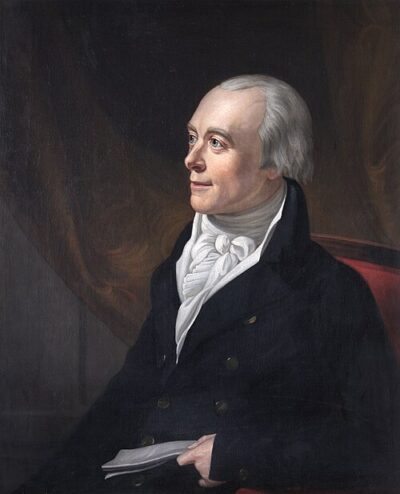 Spencer Perceval (1802–1806)19th-century prime minister of the United Kingdom (1762–1812)
 William Murray, 1st Earl of Mansfield (1754–1756)British barrister, politician and judge (1705–1793)
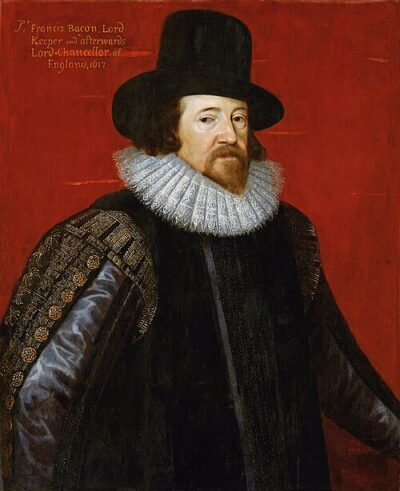 Francis Bacon (1613–1617)English philosopher and statesman (1561–1626)
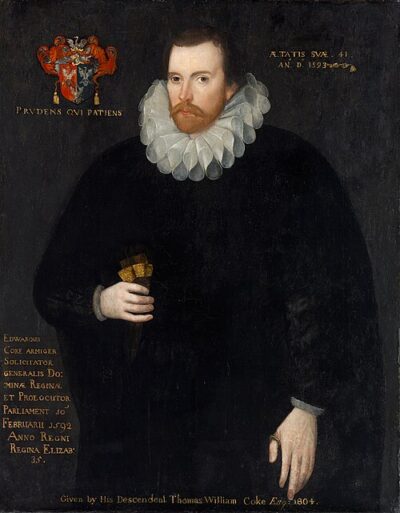 Edward Coke (1594–1606)English lawyer and judge; (c.1552-1634)
