
Carus Lectures
Carus Lectures is a lecture series convened by the American Philosophical Association. It was created in 1925.
- Country
- United States
- Created
- 1925
All 6 facts, and where they come from
Facts
6 facts · 0 confirmed by two sources · 1 cited · 5 from one source
Where this comes from
Papalocal keeps its own record. It started from these sources; what each one said is kept here as it was copied, so a change on their side never changes this page by itself. Tap one to read its version.
What Wikidata says · copied November 16, 2026 · revision 2352765094
- Described as
- lecture series convened by the American Philosophical Association
- What it is
- lecture series; award
- Created
- 1925 · 1 reference
- Country
- United States
- Named after
- Paul Carus · 1 reference
- Official website
- http://www.apaonline.org/?carus
- Wikipedias with a page
- 1
Wikidata item Q5047486 (wikidata.org/wiki/Q5047486), public domain (CC0). Copied 2026-11-16.
What Wikipedia says · copied November 16, 2026 · revision 1365688596
The Carus Lectures are a prestigious series of three lectures presented over three consecutive days in plenary sessions at a divisional meeting of the American Philosophical Association. The series was founded in 1925 with John Dewey as the inaugural presenter. The series was scheduled irregularly until 1995, when they were scheduled to occur every two years. The series is named in honor of Paul Carus by Mary Carus and is published by Open Court. In his introduction to the inaugural speech, Hartley Burr Alexander praised the series as an unusual opportunity of presenting ideas "with no institutional atmosphere to further the free play of the mind upon all phases of life."
From the Wikipedia article “Carus Lectures” (en.wikipedia.org/wiki/Carus_Lectures), by its contributors, under CC BY-SA 4.0 (creativecommons.org/licenses/by-sa/4.0/). Copied 2026-11-16; not changed.
Confirmed Two sources agree. Cited One source, and it names where it got it. One source One source, without a reference of its own. Sources disagree The sources disagree. We show the best-supported value and keep theirs below.
People connected 17
Won it
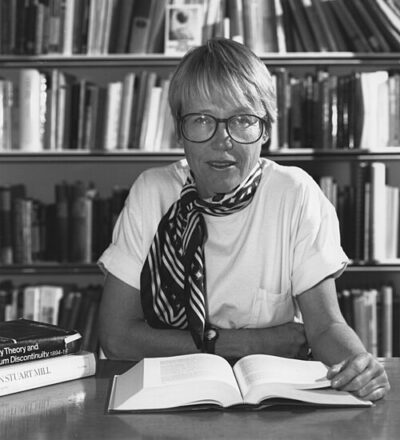 Nancy Cartwright (2017)American philosopher
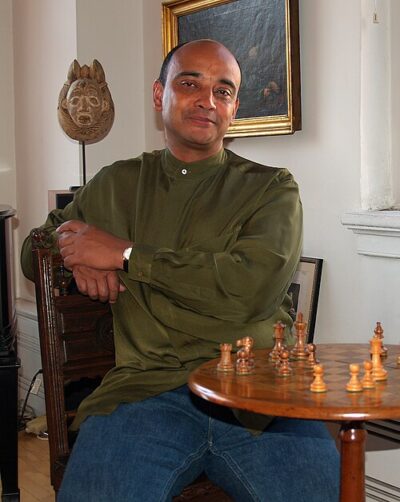 Kwame Anthony Appiah (2013)Ghanian-British-American philosopher and writer
- JJudith Jarvis Thomson (2003)American philosopher (1929-2020)
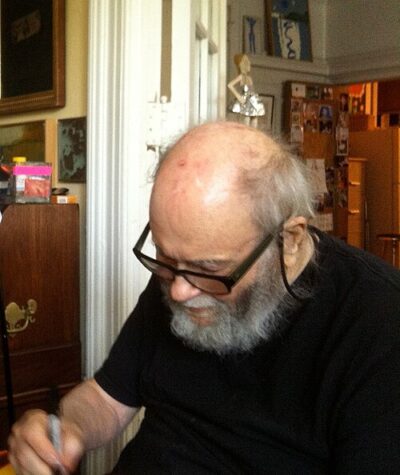 Arthur Coleman Danto (2001)American art critic and philosopher (1924–2013)
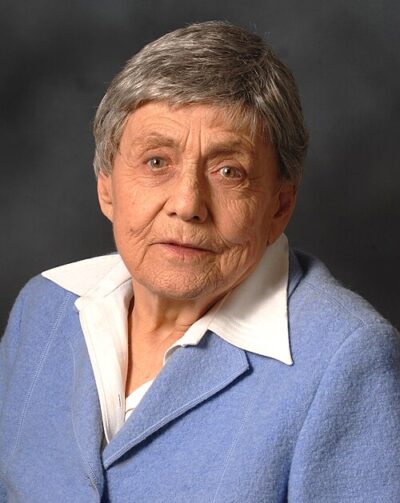 Ruth Barcan Marcus (2000)American philosopher (1921-2012)
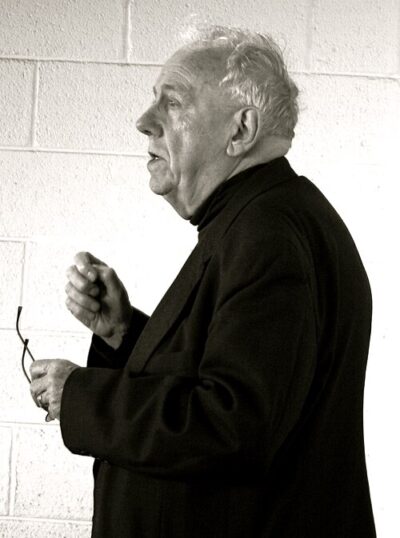 Alasdair MacIntyre (1997)Scottish-American philosopher (1929–2025)
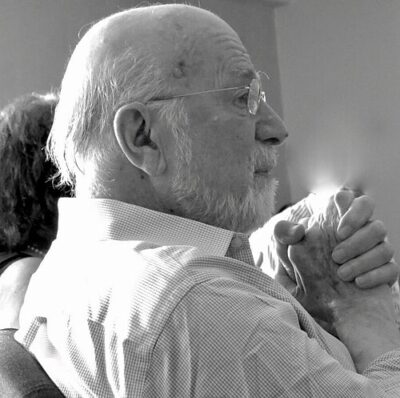 Stanley Cavell (1988)American philosopher (1926-2018)
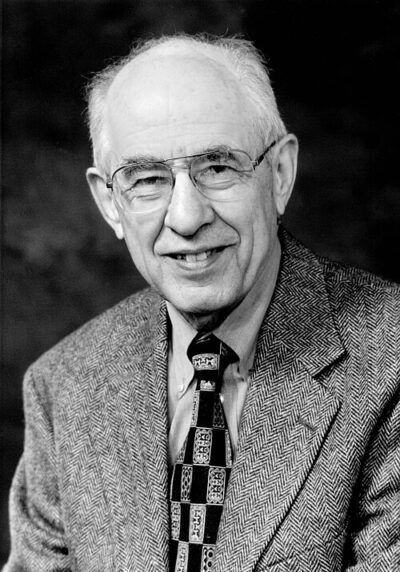 Hilary Putnam (1985)American philosopher and mathematician
- DDonald Davidson (1980)American philosopher (1917–2003)
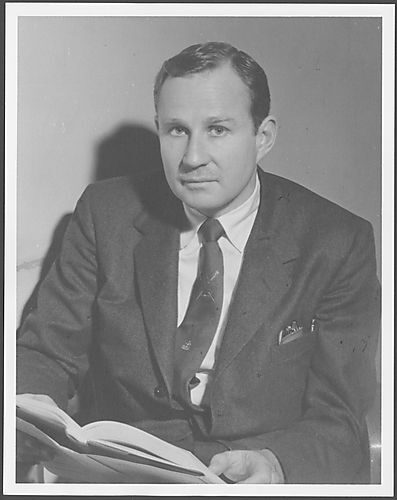 Wilfrid Sellars (1977)American philosopher (1912-1989)
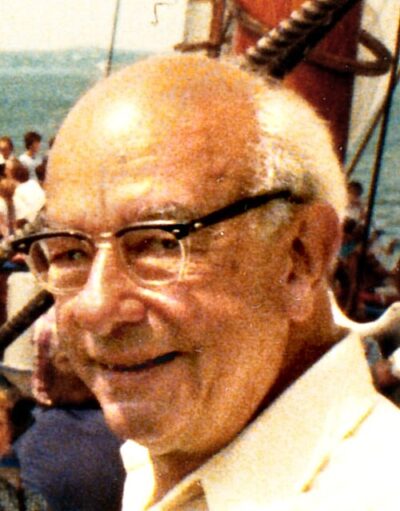 Willard Van Orman Quine (1971)American philosopher and logician (1908–2000)
- CCarl Gustav Hempel (1970)German philosopher (1905–1997)
- EErnest Nagel (1963)American philosopher (1901-1985)
- CClarence Irving Lewis (1944)American philosopher (1883–1964)
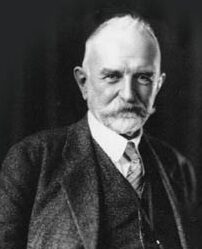 George Herbert Mead (1931)American philosopher, sociologist, and psychologist (1863–1931)
- AArthur Oncken Lovejoy (1927)American philosopher and intellectual historian (1873-1962)
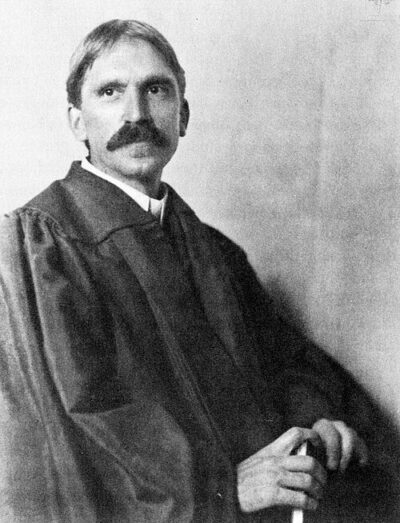 John Dewey (1925)American philosopher, psychologist, and educational reformer (1859–1952)
