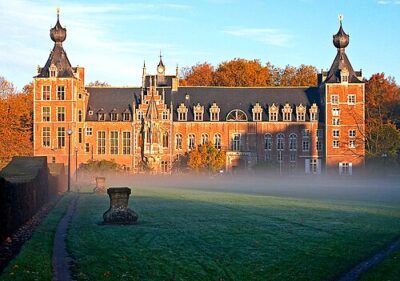
Catholic University of Leuven (1834–1968)
The Catholic University of Leuven (1834–1968) is a former University in Belgium, 1834–1970. It was founded by Gregory XVI.
- Located in
- Leuven
- Country
- Belgium
- Founded
- November 8, 1834
- What it is
- Catholic university
All 7 facts, and where they come from
Facts
7 facts · 0 confirmed by two sources · 1 cited · 5 from one source · 1 where the sources disagree
What’s different
- Founded: we show November 8, 1834 (Sources disagree). Wikidata also lists 1425 and 1835
Where this comes from
Papalocal keeps its own record. It started from these sources; what each one said is kept here as it was copied, so a change on their side never changes this page by itself. Tap one to read its version.
What Wikidata says · copied November 17, 2026 · revision 2563334003
- Described as
- former University in Belgium, 1834–1970
- Other names
- Catholic University of Louvain, UCL, KUL, université catholique de Louvain - Katholieke Universiteit Leuven
- What it is
- Catholic university; former university
- Founded
- November 8, 1834; 1425; 1835
- Ended
- May 28, 1970 · 1 reference
- Founded by
- Gregory XVI
- Located in
- Leuven
- Country
- Belgium
- Wikipedias with a page
- 32
Wikidata item Q644789 (wikidata.org/wiki/Q644789), public domain (CC0). Copied 2026-11-17.
What Wikipedia says · copied November 17, 2026 · revision 1379282524
The Catholic University of Leuven or Louvain was a public university in Leuven, Belgium. It was founded in 1834 in Mechelen as the Catholic University of Belgium, and moved its seat to Leuven in 1835, changing its name to Catholic University of Leuven. In 1968, it was split into two universities, the Katholieke Universiteit Leuven and the Université catholique de Louvain, following tensions between the Dutch and French-speaking student bodies.
From the Wikipedia article “Catholic University of Leuven (1834–1968)” (en.wikipedia.org/wiki/Catholic_University_of_Leuven_(1834–1968)), by its contributors, under CC BY-SA 4.0 (creativecommons.org/licenses/by-sa/4.0/). Copied 2026-11-17; not changed.
Confirmed Two sources agree. Cited One source, and it names where it got it. One source One source, without a reference of its own. Sources disagree The sources disagree. We show the best-supported value and keep theirs below.
Picture: Juhanson, via Wikimedia Commons · CC BY-SA 3.0
People connected 33
Studied here 33
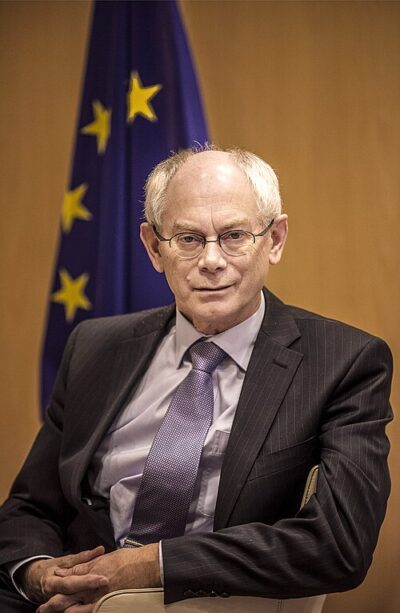 Herman Van Rompuy (1965–1968)Belgian politician; former Prime Minister of Belgium and first permanent President of the European Council (born 1947)
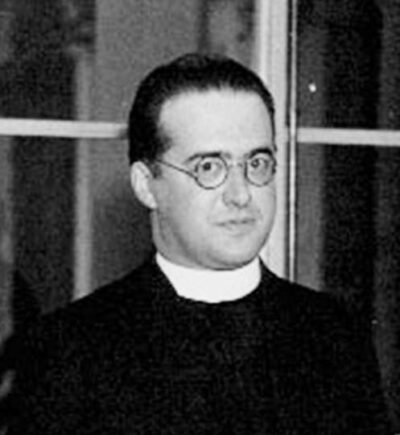 Georges Lemaître (1911–1920)Belgian astrophysicist and Catholic priest (1894–1966)
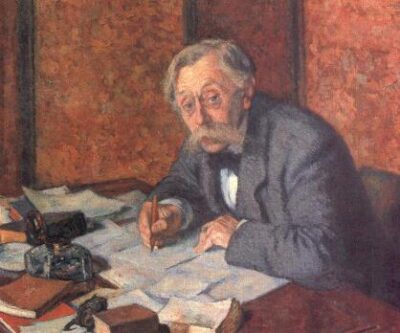 Emile VerhaerenBelgian poet (1855-1916)
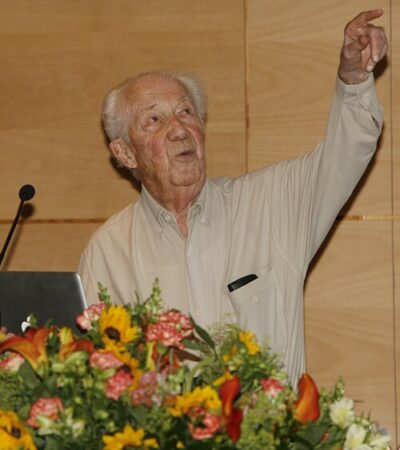 Christian de DuveBelgian biochemist, cytologist (1917–2013)
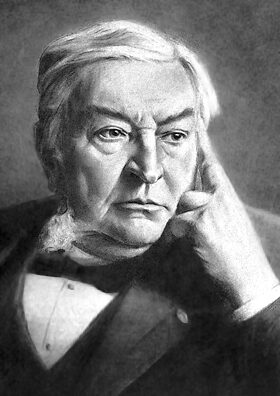 Auguste Beernaert (1849)Belgian prime minister and human rights activist (1829-1912)
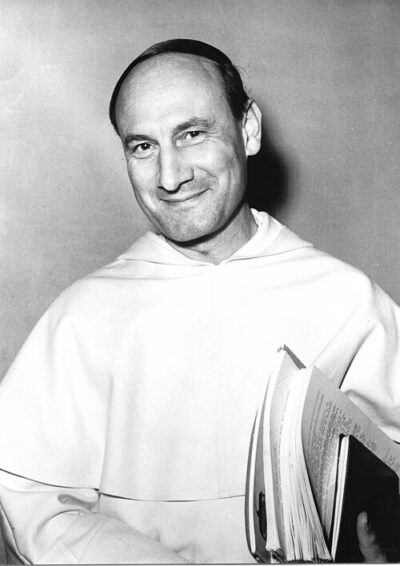 Dominique PireBelgian Dominican friar (1910–1969)
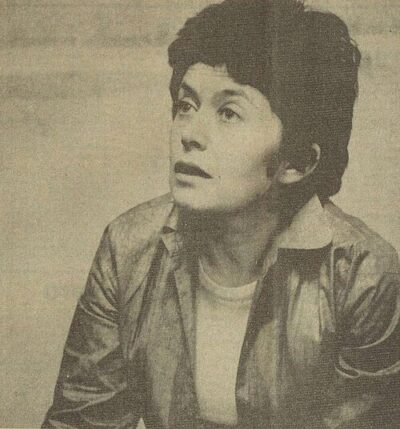 Luce IrigarayBelgian-born French feminist, philosopher, linguist, psycholinguist, psychoanalyst and cultural theorist (born 1930)
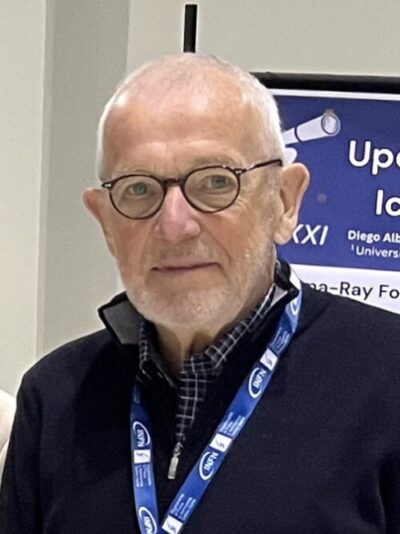 Francis HalzenBelgian-American astrophysicist
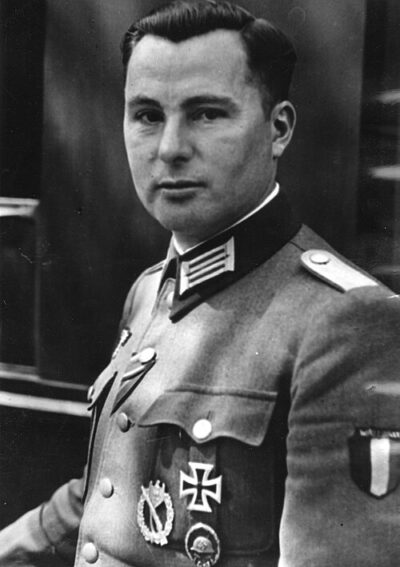 Léon DegrelleBelgian journalist, politician, SS soldier, fugitive (1906-1994)
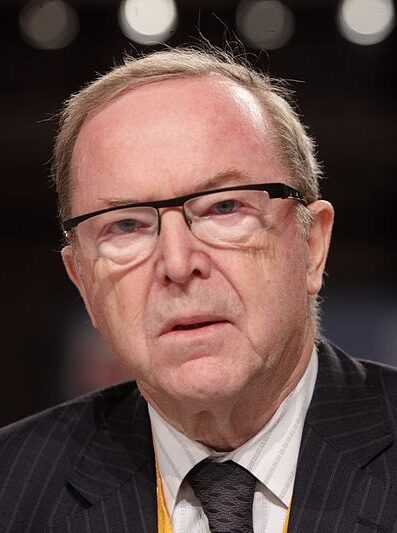 Wilfried MartensBelgian politician (1936–2013)
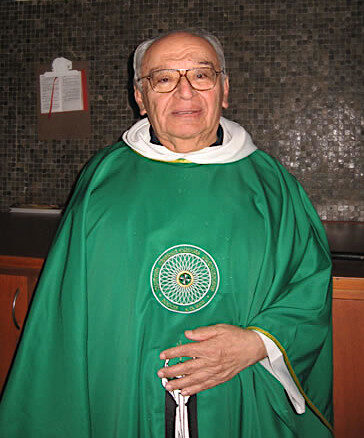 Gustavo GutiérrezPeruvian theologian (1928–2024)
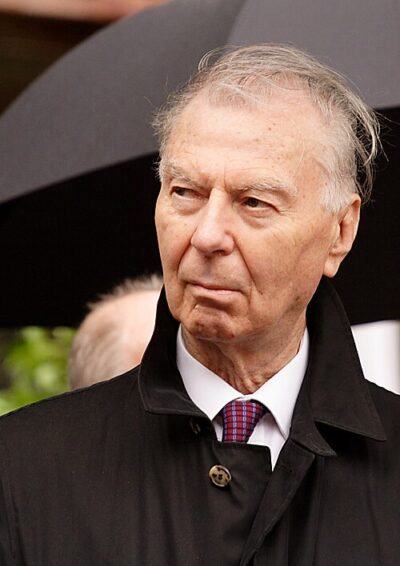 Leo Tindemans (–1967)Belgian politician (1922–2014)
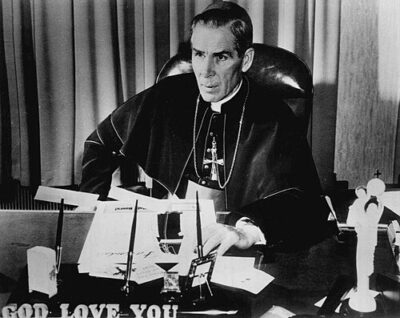 Fulton J. SheenAmerican roman catholic bishop and television presenter (1895–1979)
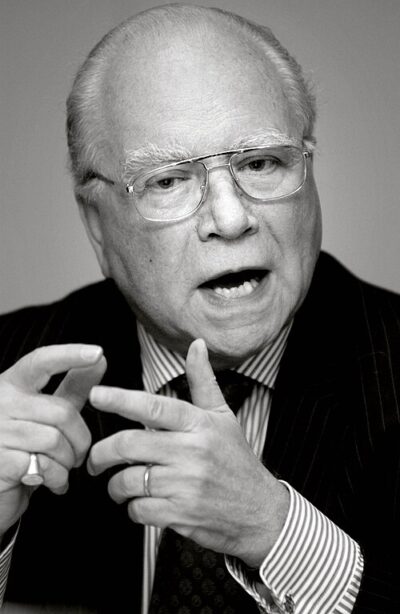 Mark EyskensBelgian politician (born 1933)
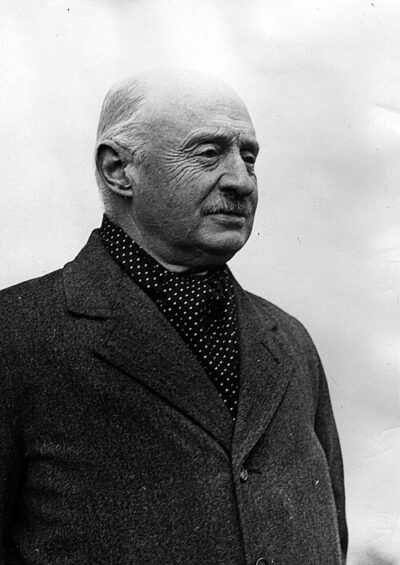 Henri de Baillet-LatourBelgian sports executive (1876-1942)
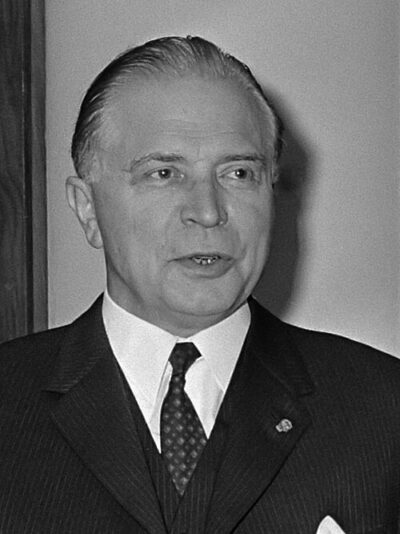 Gaston EyskensBelgian prime minister (1905-1988)
 Camilo Torres RestrepoColombian theologian (1929-1966)
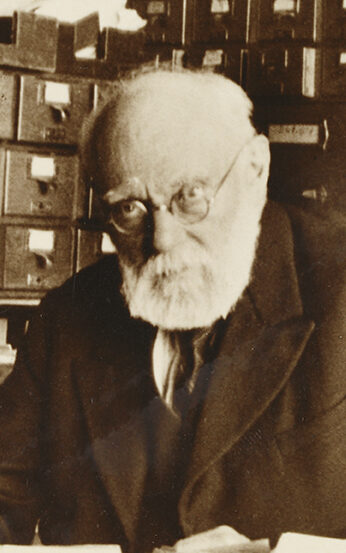 Paul OtletBelgian author, librarian and anti-colonial thinker (1868–1944)
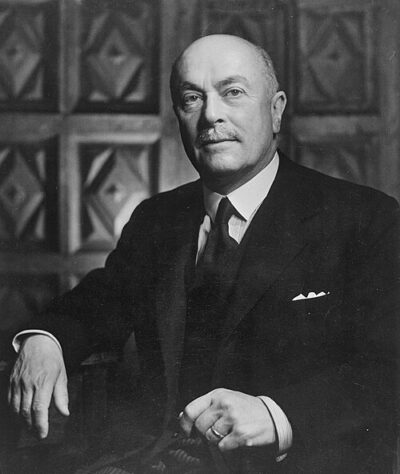 Hubert PierlotBelgian politician and 32nd Prime Minister of Belgium, serving between 1939 and 1945 (1883–1963)
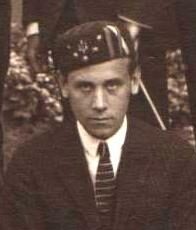 Jean DuvieusartBelgian politician (1900-1977)
- FFélicien MarceauFrench novelist, playwright and essayist (1913-2012)
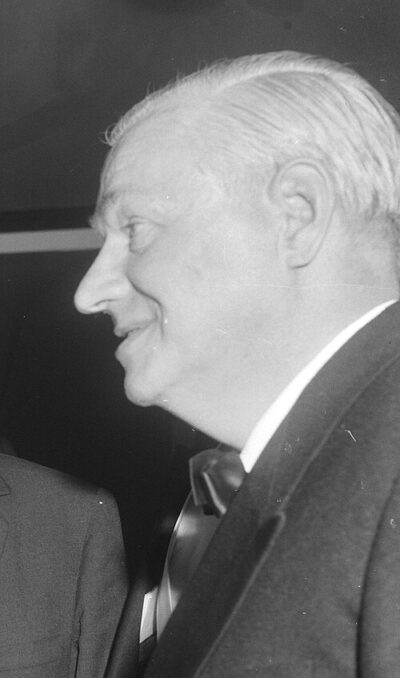 Bertus Aafjes (1937–)Dutch poet and writer (1914–1993)
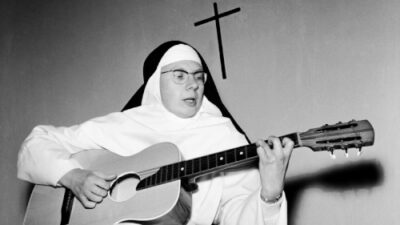 The Singing NunBelgian nun and musician
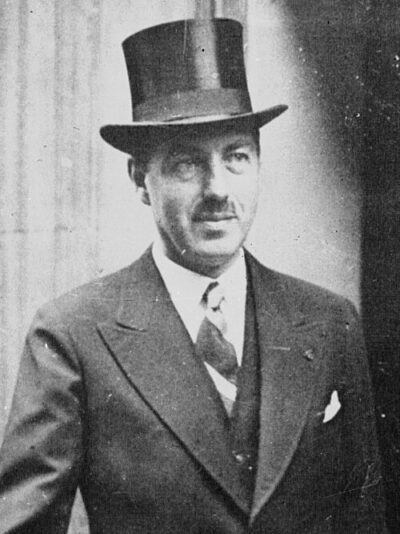 Paul van ZeelandBelgian lawyer, economist, Catholic politician and statesman (1893-1973)
and 9 more