
Centenary Prize
Centenary Prize is an award granted by the Royal Society of Chemistry. It was created in 1947.
- Given by
- Royal Society of Chemistry
- Country
- United Kingdom
- Created
- 1947
All 5 facts, and where they come from
Facts
5 facts · 0 confirmed by two sources · 0 cited · 5 from one source
Where this comes from
Papalocal keeps its own record. It started from these sources; what each one said is kept here as it was copied, so a change on their side never changes this page by itself. Tap one to read its version.
What Wikidata says · copied November 16, 2026 · revision 2542319420
- Described as
- award granted by the Royal Society of Chemistry
- What it is
- science award
- Created
- 1947
- Country
- United Kingdom
- Given by
- Royal Society of Chemistry
- Official website
- https://www.rsc.org/standards-and-recognition/prizes/research-and-innovation-prizes/centenary-prizes-for-chemistry-and-communication/
- Wikipedias with a page
- 9
Wikidata item Q18560142 (wikidata.org/wiki/Q18560142), public domain (CC0). Copied 2026-11-16.
What Wikipedia says · copied November 16, 2026 · revision 1385645312
The Centenary Prize is an award granted annually by the United Kingdom-based Royal Society of Chemistry (RSC) to up to three "outstanding chemists, who are also exceptional communicators, from overseas".
The prize, established in 1947, and first awarded in 1949, by the RSC's forerunner, the Chemical Society, is named after the centenary of that organisation's founding, in 1841. Winners are given a £5000 cash prize, a medal and a certificate, and undertake a lecture tour of the UK.
From the Wikipedia article “Centenary Prize” (en.wikipedia.org/wiki/Centenary_Prize), by its contributors, under CC BY-SA 4.0 (creativecommons.org/licenses/by-sa/4.0/). Copied 2026-11-16; not changed.
Confirmed Two sources agree. Cited One source, and it names where it got it. One source One source, without a reference of its own. Sources disagree The sources disagree. We show the best-supported value and keep theirs below.
People connected 40
Won it 40
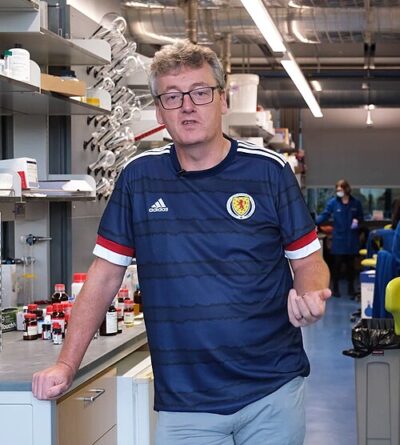 David MacMillan (2019)British chemist (1968-)
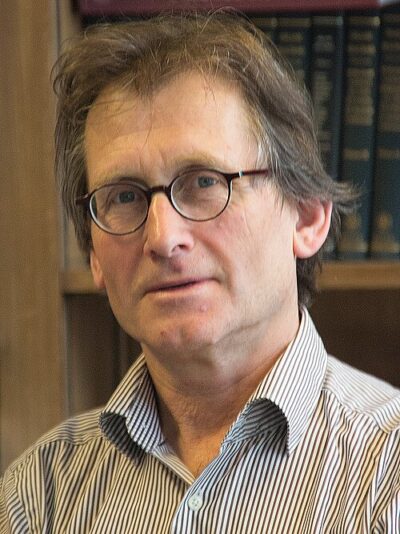 Ben Feringa (2017)Dutch Nobel laureate in chemistry
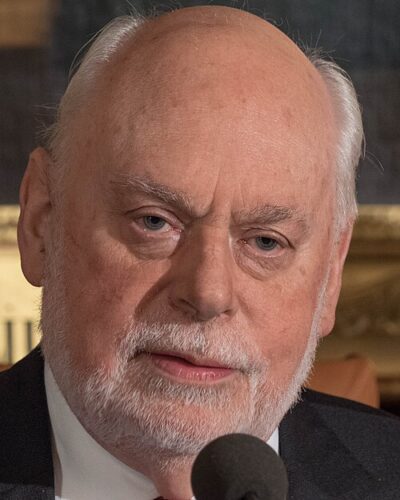 Fraser Stoddart (2014)Scottish chemist and Nobel Laureate in 2016 for the design and synthesis of molecular machines
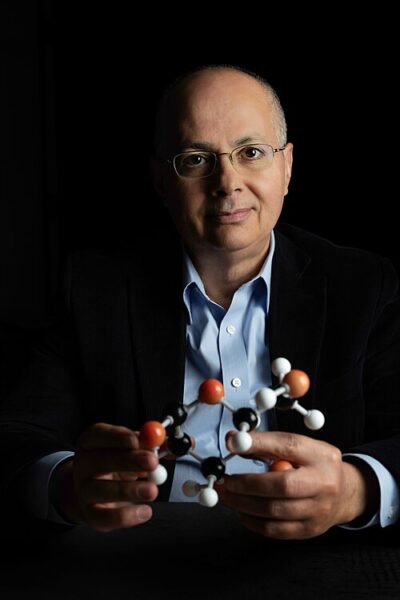 Omar M. Yaghi (2010)American chemist of Arabic descent (born 1965)
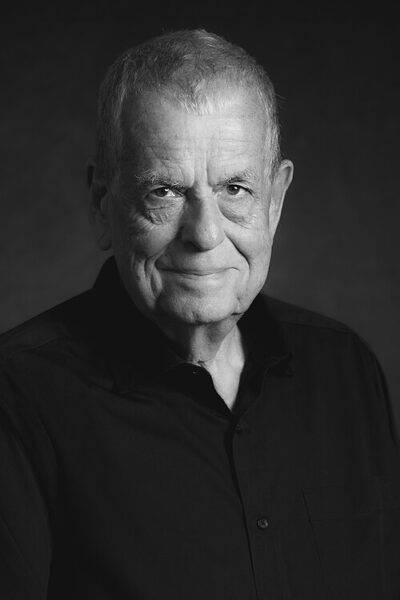 Aaron Ciechanover (2009)Israeli physician and biochemist, Nobel Laureate
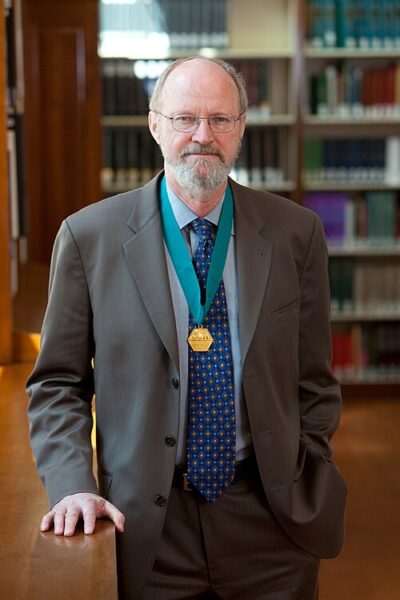 Robert H. Grubbs (2004)Nobel prize winning American chemist (1942-2021)
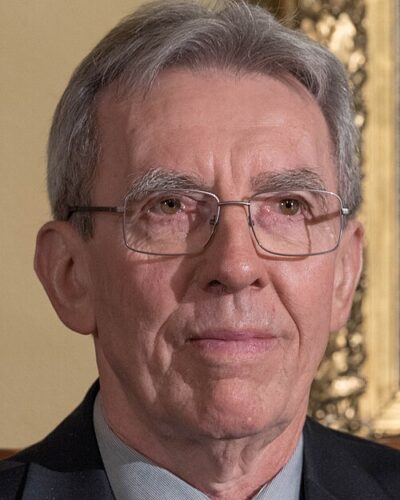 Jean-Pierre Sauvage (1999)French nanotechnologist
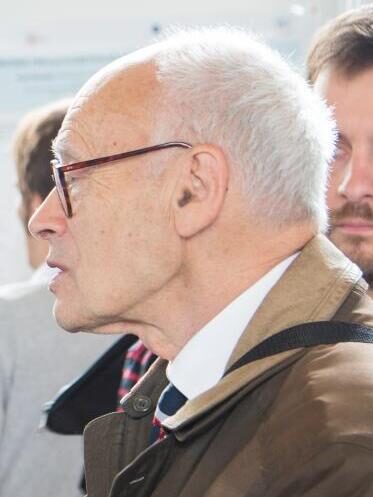 Henri B. Kagan (1999)French chemist
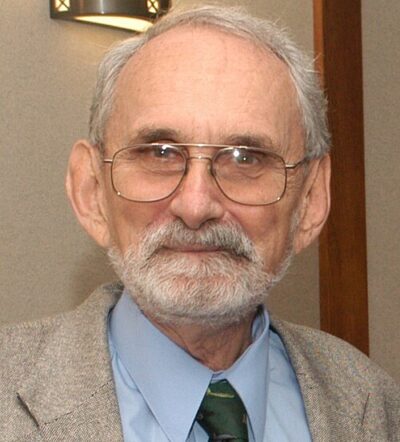 Robert Curl (1998)American chemist (1933–2022)
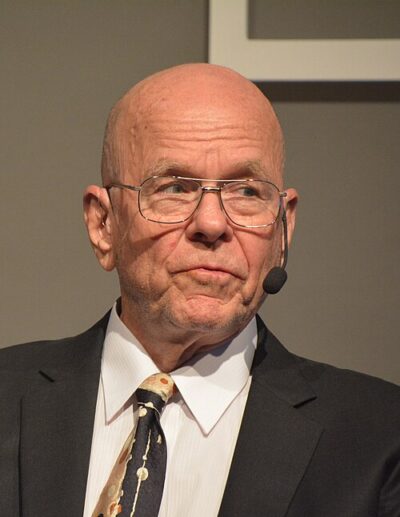 Karl Barry Sharpless (1993)American chemist and Nobel Laureate (born 1941)
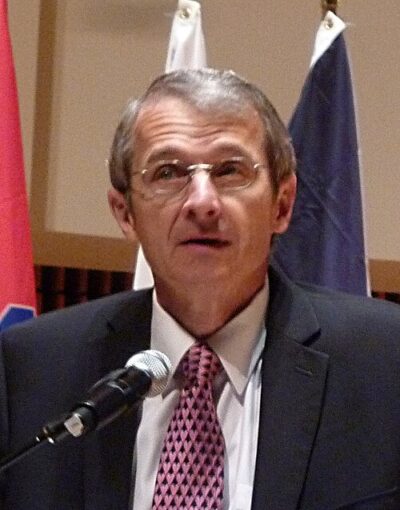 Richard R. Schrock (1990)1945-, American chemist
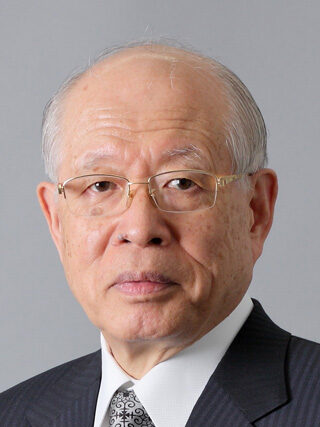 Ryōji Noyori (1988)Japanese chemist (1938 - )
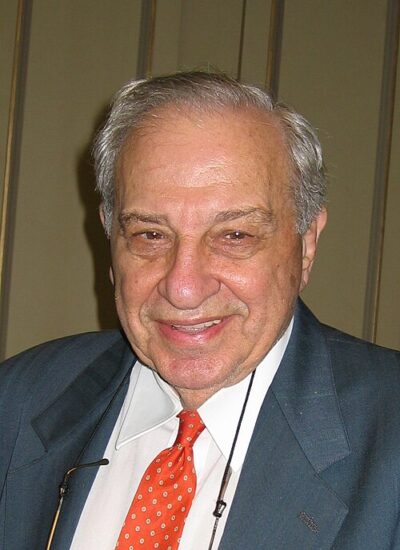 Rudolph A. Marcus (1988)Canadian-American chemist (1923-2026)
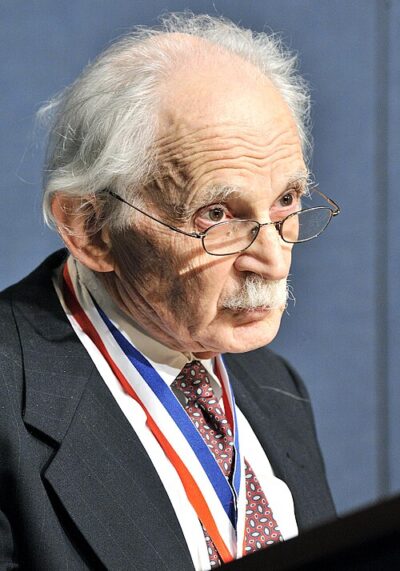 Allen J. Bard (1987)American electrochemist (1933–2024)
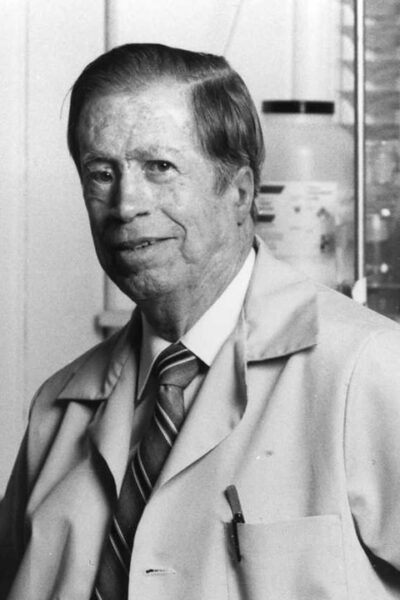 Robert Bruce Merrifield (1986)American biochemist
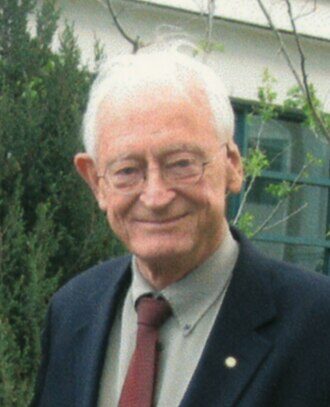 Alan MacDiarmid (1982)New Zealand chemist (1927–2007)
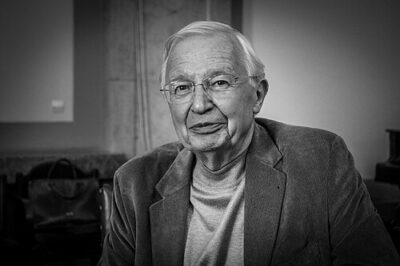 Jean-Marie Lehn (1980)French chemist
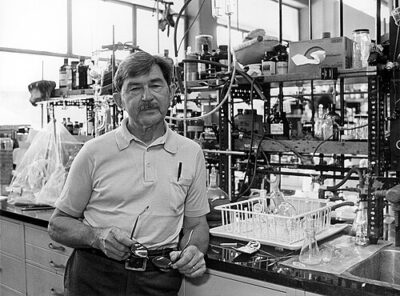 Henry Taube (1979)Canadian-born American chemist (1915–2005)
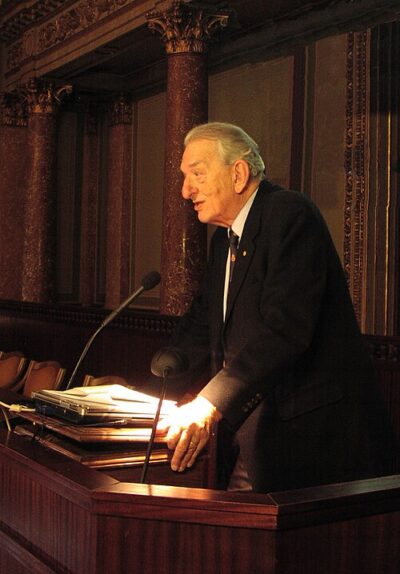 George Andrew Olah (1977)Hungarian chemist (1927-2017)
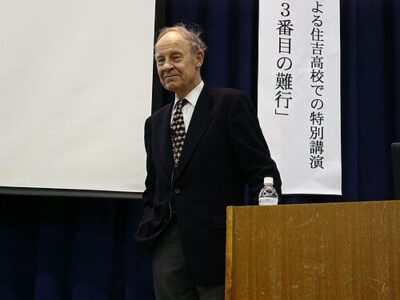 Dudley R. Herschbach (1976)American chemist
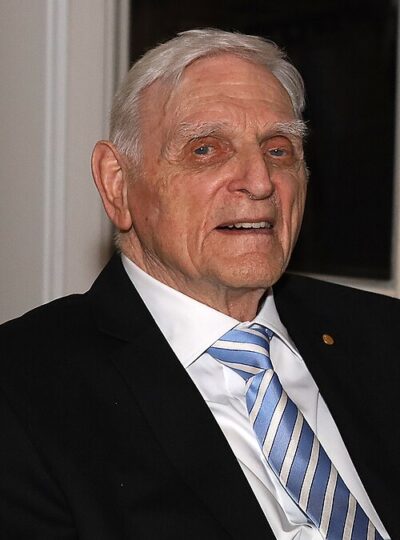 John B. Goodenough (1975)American materials scientist (1922–2023)
- DDonald J. Cram (1975)American chemist (1919–2001)
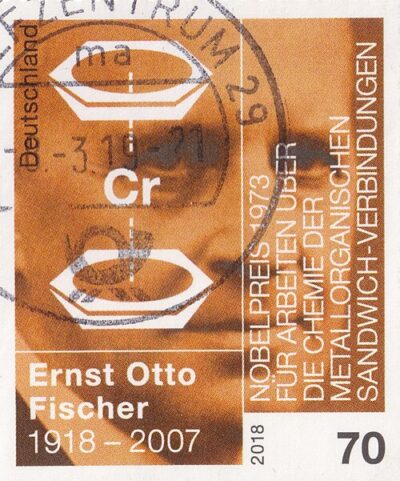 Ernst Otto Fischer (1974)German chemist (1918–2007)
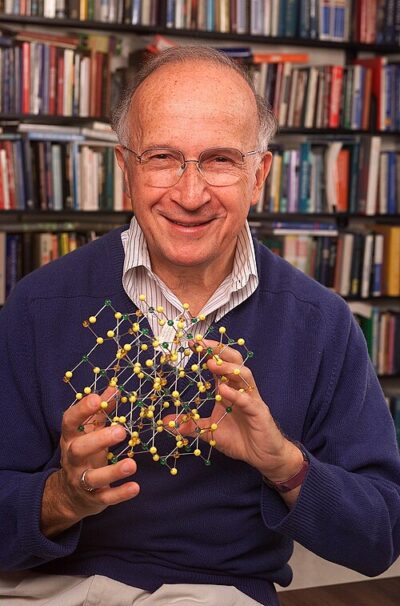 Roald Hoffmann (1974)Polish-American Nobel laureate chemist and playwright
and 16 more
