
companions of the Prophet
Companions of the Prophet is a companion, disciple, scribe or family member of the Islamic prophet Muhammad.
All 2 facts, and where they come from
Facts
2 facts · 0 confirmed by two sources · 0 cited · 2 from one source
Where this comes from
Papalocal keeps its own record. It started from these sources; what each one said is kept here as it was copied, so a change on their side never changes this page by itself. Tap one to read its version.
What Wikidata says · copied November 18, 2026 · revision 2569992537
- Described as
- companion, disciple, scribe or family member of the Islamic prophet Muhammad
- Other names
- Al Sahaba, Al Sahabah, El Sahaba, El Sahabah, aṣ-ṣaḥābah, Sahabah, Aṣḥāb, Companions
- What it is
- social group
- Followed by
- tabi‘un
- Wikipedias with a page
- 80
Wikidata item Q188711 (wikidata.org/wiki/Q188711), public domain (CC0). Copied 2026-11-18.
What Wikipedia says · copied November 18, 2026 · revision 1384730110
The Sahabah (Arabic: اَلصَّحَابَةُ, romanized: aṣ-ṣaḥāba, lit. 'the companions'), also known as the Companions of Muhammad, were the Muslim disciples and followers of the Islamic prophet Muhammad who saw or met him during his lifetime and embraced Islam during that period of which he was alive, considering they spent a portion of their time with his daily life. The companions played a major role in the Muslim battles, hadith narration, society and governance during and after the life of Muhammad. The era of the companions began following the death of Muhammad in 632 CE, and ended in 110 AH (728 CE) when the last companion Abu al-Tufayl died.
Later Islamic scholars accepted their testimony of the words and deeds of Muhammad, the occasions on which the Quran was revealed and other important matters in Islamic history and practice. The testimony of the companions, as it was passed down through trusted chains of narrators (asānīd), was the basis of the developing Islamic tradition. From the traditions (hadith) of the life of Muhammad and his companions are drawn the Muslim way of life (sunnah), the code of conduct (sharia) it requires, and Islamic jurisprudence (fiqh).
The two largest Islamic denominations, the Sunni and Shia sects, take different approaches to weighing the value of the companions' worth as people and testimonies. They both have different hadith collections and, as a result, have different views about the ṣaḥābah.
The second generation of Muslims after the ṣaḥāba, born after the death of Muhammad, who knew at least one ṣaḥāba, are called Tābi'ūn (also "the successors"). They are the people who collected and compiled the sayings, scripts and teachings of the companions. Then, the third generation of Muslims after the Tābi'ūn, who knew at least one Tābi, are called tabi' al-Tabi'in. The three generations make up the salaf of Islam.
From the Wikipedia article “Companions of the Prophet” (en.wikipedia.org/wiki/Companions_of_the_Prophet), by its contributors, under CC BY-SA 4.0 (creativecommons.org/licenses/by-sa/4.0/). Copied 2026-11-18; not changed.
Confirmed Two sources agree. Cited One source, and it names where it got it. One source One source, without a reference of its own. Sources disagree The sources disagree. We show the best-supported value and keep theirs below.
People connected 22
Occupation
 Umar ibn Al-Khattāb2nd Rashidun Caliph from 634 to 644
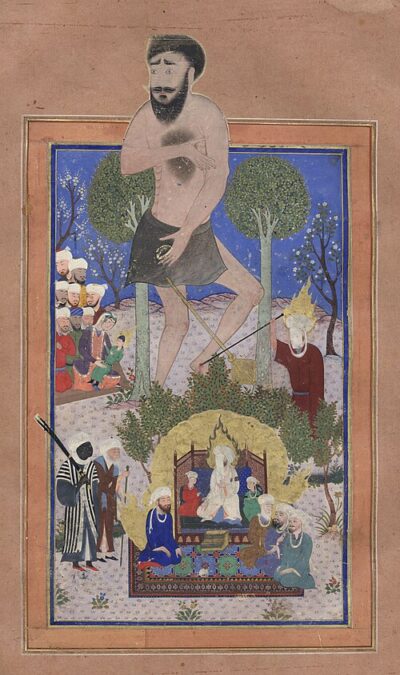 Bilal ibn Ribahcompanion of Muhammad and first Islamic mu'azzin (c.580–640)
 Abu Sufyan ibn HarbQuraysh tribal leader and merchant (c. 560 – 653)
 Abu Hurairahcompanion of Muhammad
 Sa'd ibn Abi WaqqasMuslim general (c. 595 – 674)
- SSawda bint Zamʿasecond wife of the Islamic prophet Muhammad
 Talha ibn UbaydullahArab Muslim military commander (c.594-656)
- AAbd Allah ibn Umar ibn al-KhattabCompanion of Muhammad and authority in hadith and law (c.610-693)
- AAmmar ibn YasirCompanion of the Islamic prophet Muhammad (died 657)
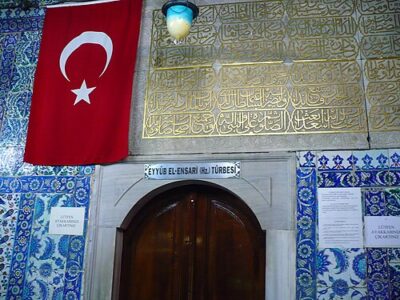 Abu Ayyub al-AnsariCompanion and the standard-bearer of Muhammad
- HHassan ibn ThabitArabian poet and companion of Muhammad
- ''Abd Allah ibn Rawahahcompanion of the Islamic prophet, Muhammad
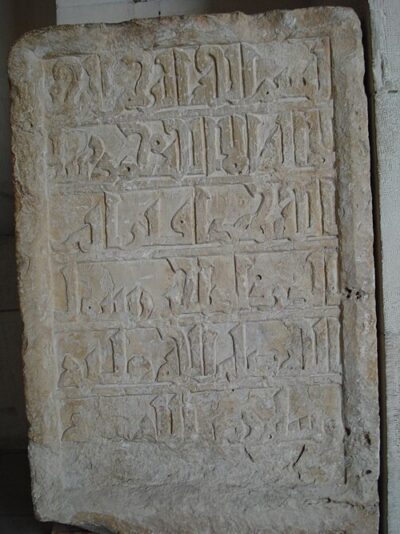 Abu Dardacompanion (sahabi) of Muhammad (died 652 CE)
 Mus`ab ibn `Umaircompanion (Sahabi) of Muhammad
 Abdullah ibn Salamcompanion of the Islamic prophet Muhammad
- AAbd-Allah ibn JahshCompanion (Sahabi) of Muhammad
- MMiqdad ibn AswadCompanion (Sahaba) of Muhammad (died c. 652 CE)
 Jabir ibn Abd-AllahCompanion of Muhammad
- SSharhabeel ibn HasanaCompanion of Muhammad and army commander (died 639)
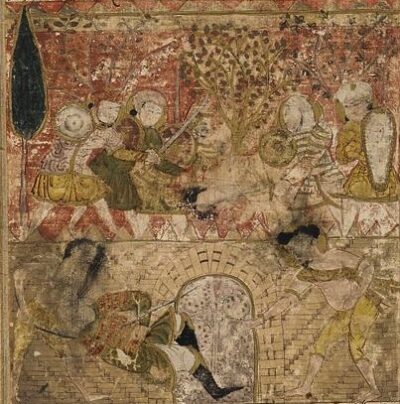 Wahshi ibn Harbman who killed Hamza Ibn Abdul-Muttalib, companions of Prophet
 Yazid ibn Abi Sufyan7th-century Arab military commander
- SSa'd ibn Mua'dhCompanion of Muhammad (c. 590–627)
