
Constitutional Democratic Party
The Constitutional Democratic Party is a political party in the Russian Empire. It was founded in 1905 by Pavel Milyukov. Its headquarters are in Saint Petersburg. It stands for social liberalism, Russian nationalism and constitutionalism.
- Country
- Russian Empire
- Founded
- October 18, 1905
- Ideology
- social liberalism
- Chair
- Pavel Milyukov
All 15 facts, and where they come from
Facts
15 facts · 0 confirmed by two sources · 0 cited · 15 from one source
Where this comes from
Papalocal keeps its own record. It started from these sources; what each one said is kept here as it was copied, so a change on their side never changes this page by itself. Tap one to read its version.
What Wikidata says · copied November 17, 2026 · revision 2563354812
- Described as
- political party in the Russian Empire
- Other names
- Party of People's Freedom, Constitutional Democrats, Kadet
- What it is
- political party in the Russian Empire; former liberal party; political party
- Founded
- October 18, 1905
- Ended
- November 28, 1917
- Founded by
- Pavel Milyukov
- Headquarters
- Saint Petersburg
- Country
- Russian Empire; Russian Republic
- Chair
- Pavel Milyukov; Pavel Dolgorukov · 1 reference
- Ideology
- social liberalism; Russian nationalism; constitutionalism; pluralism
- Wikipedias with a page
- 47
Wikidata item Q155820 (wikidata.org/wiki/Q155820), public domain (CC0). Copied 2026-11-17.
What Wikipedia says · copied November 17, 2026 · revision 1385432302
The Constitutional Democratic Party (Russian: Конституцио́нно-демократи́ческая па́ртия, romanized: Konstitutsionno-demokraticheskaya partiya, K-D), also called Constitutional Democrats and formally the Party of People's Freedom (Russian: Па́ртия Наро́дной Свобо́ды), was a political party in the Russian Empire that promoted Western constitutional monarchy—among other policies—and attracted a base ranging from moderate conservatives to mild socialists. Party members were called Kadets (or Cadets) from the abbreviation K-D of the party name. Konstantin Kavelin's and Boris Chicherin's writings formed the theoretical basis of the party's platform. Historian Pavel Miliukov was the party's leader throughout its existence.
The Kadets' base of support were primarily intellectuals and professionals; university professors and lawyers were particularly prominent within the party. Many Kadet party members were veterans of the zemstvo, local councils. The Constitutional Democratic Party formed from the merger of several liberal groupings, namely the Union of Liberation, the Union of Zemstvo Constitutionalists and the Union of Unions as well as the organization of bourgeois professionals and intellectuals, including teachers, lawyers, writers, physicians and engineers.
The Kadets' liberal economic program favored the workers' right to an eight-hour day and the right to take strike action. The Kadets "were unwaveringly committed to full citizenship for all of Russia's minorities" and supported Jewish emancipation. The party drew significant support from Jews (until 1916) and Volga Germans, and a significant number of each group were active party members. On the other hand, the Kadets adhered to Russian nationalism as they largely based their identity on the "Russian nation" or the "Russian people" as something opposed to the state bureaucracy; from 1905, they drifted towards statism, and their views on foreign politics were based on the view of international politics as a "national struggle", with the party generally advocating for Russian imperialism, describing Russians as a Staatsvolk and the Russian Empire as their nation-state. However, the Kadets differed from the hardline ethnocentric Russian nationalists, as they understood Russians rather as a political identity and defended the right of ethnic minorities and nations of Russia both to maintain cultural autonomy and to enter the Russian nation. Such views and Pan-Slavism, which they shared with the other moderate right-wing parties, drove them into a very hostile attitude towards Germany and Austria-Hungary during World War I, and by 1917, they were strongly nationalist and defensist; during the Russian Civil War, they became proponents of military dictatorship and territorial integrity of the Russian Empire, and were the strongest supporters of the Whites next to the nationalist parties.
From the Wikipedia article “Constitutional Democratic Party” (en.wikipedia.org/wiki/Constitutional_Democratic_Party), by its contributors, under CC BY-SA 4.0 (creativecommons.org/licenses/by-sa/4.0/). Copied 2026-11-17; not changed.
Confirmed Two sources agree. Cited One source, and it names where it got it. One source One source, without a reference of its own. Sources disagree The sources disagree. We show the best-supported value and keep theirs below.
People connected 13
Party members
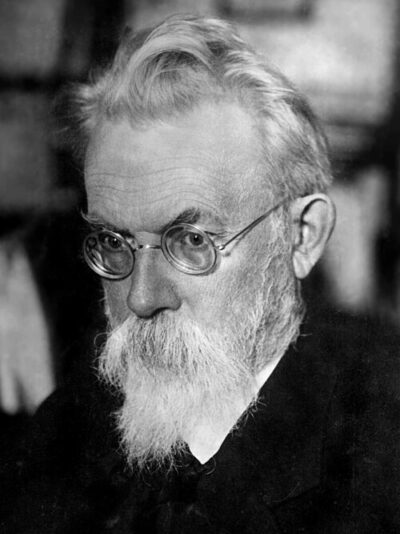 Vladimir Vernadsky (1905–1918)Russian and Soviet mineralogist and geochemist, one of the founders of geochemistry, biogeochemistry, and of radiogeology
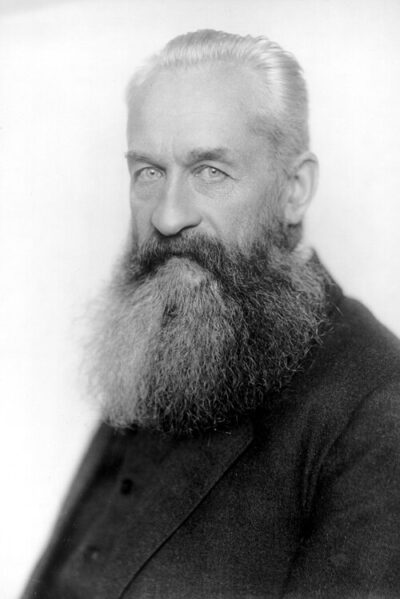 Georgy LvovRussian statesman and the first post-imperial prime minister of Russia (1861-1925)
 Vasily KlyuchevskyRussian historian (1841–1911)
 Jan Baudouin de CourtenayPolish linguist and slavist (1845-1929)
 Pavel MilyukovRussian politician and historian (1859-1943)
 Jānis Čakste1st president of Latvia (1859-1927)
 Vladimir A. ObruchevRussian and Soviet geologist and writer (1863–1956)
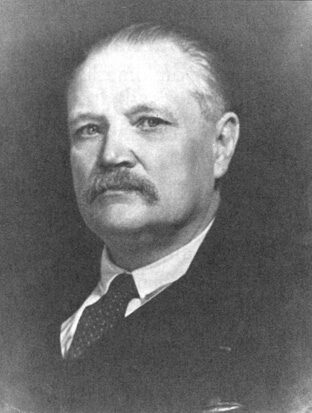 Michael RostovtzeffRussian historian of ancient history (1870–1952)
 Fatali Khan Khoyski (1907–1917)Azerbaijani politician and jurist (1875-1920)
 Anna FilosofovaRussian activist (1837–1912)
 Peter StruveRussian journalist (1870–1944)
 Yusuf Akçura (1907–1908)Turkish historian and writer (1876–1935)
 Nikolay LosskyRussian philosopher (1870–1965)
