
Democratic Republican Alliance
The Democratic Republican Alliance is a defunct political party in France. It was founded in 1901. Its headquarters are in Paris. It stands for conservative liberalism, secularism and republicanism.
- Country
- France
- Founded
- October 21, 1901
- Ideology
- conservative liberalism
- Chair
- Pierre Magnin
All 13 facts, and where they come from
Facts
13 facts · 0 confirmed by two sources · 0 cited · 13 from one source
Where this comes from
Papalocal keeps its own record. It started from these sources; what each one said is kept here as it was copied, so a change on their side never changes this page by itself. Tap one to read its version.
What Wikidata says · copied November 17, 2026 · revision 2511448089
- Described as
- defunct political party in France
- What it is
- political party; former liberal party
- Followed by
- National Centre of Independents and Peasants
- Founded
- October 21, 1901
- Ended
- January 6, 1949
- Headquarters
- Paris
- Country
- France
- Chair
- Marie-Adolphe Carnot (1901–1920); Charles Jonnart (1920–1923)
- Ideology
- conservative liberalism; secularism; republicanism; secularism in France
- Wikipedias with a page
- 11
Wikidata item Q2344776 (wikidata.org/wiki/Q2344776), public domain (CC0). Copied 2026-11-17.
What Wikipedia says · copied November 17, 2026 · revision 1353635492
The Democratic Alliance (French: Alliance démocratique, AD), originally called Democratic Republican Alliance (Alliance républicaine démocratique, ARD), was a French political party created in 1901 by followers of Léon Gambetta such as Raymond Poincaré, who would be president of the Council in the 1920s. The party was originally formed as a centre-left gathering of moderate liberals, independent Radicals who rejected the new left-leaning Radical-Socialist Party, and Moderate Republicans (Gambetta and the like), situated at the political centre and to the right of the newly formed Radical-Socialist Party. However, after World War I and the parliamentary disappearance of monarchists and Bonapartists it quickly became the main centre-right party of the Third Republic. It was part of the National Bloc right-wing coalition which won the elections after the end of the war. The ARD successively took the name "Democratic Republican Party" (Parti Républicain Démocratique, PRD), and then "Social and Republican Democratic Party" (Parti Républicain Démocratique et Social), before becoming again the AD.
The ARD was largely discredited after supporting the Vichy regime during World War II, an option strongly supported by its major leader Pierre-Étienne Flandin and other members such as Joseph Barthélemy. The centre-right party tried to reform itself under the direction of Joseph Laniel, who had taken part in the Resistance. It temporarily joined the Rally of Republican Lefts (Rassemblement des gauches républicaines, RGR) before merging into the National Center of Independents and Peasants (Centre national des indépendants et paysans, CNIP). The AD, which in contrast to the French Section of the Workers' International (SFIO) or the French Communist Party (PCF), never became a mass political party founded on voting discipline (in these left-wing parties deputies usually vote in agreement with the party's consensus), turned at that time in little more than an intellectual circle whose members met during suppers. However, it was dissolved in only 1978, long after its effective disappearance from the political scene.
Under the Third Republic, the majority of the AD's deputies sat in the Left Republicans (Républicain de Gauche) group, the main centre-right parliamentary formation (due to a particularity called sinistrisme right-wing politicians took some time to accept the label 'right-wing', as republicanism was traditionally associated with the left-wing and the right-wing traditionally meant some form of monarchism: see Legitimist and Orléanist).
From the Wikipedia article “Democratic Republican Alliance” (en.wikipedia.org/wiki/Democratic_Republican_Alliance), by its contributors, under CC BY-SA 4.0 (creativecommons.org/licenses/by-sa/4.0/). Copied 2026-11-17; not changed.
Confirmed Two sources agree. Cited One source, and it names where it got it. One source One source, without a reference of its own. Sources disagree The sources disagree. We show the best-supported value and keep theirs below.
People connected 15
Party members
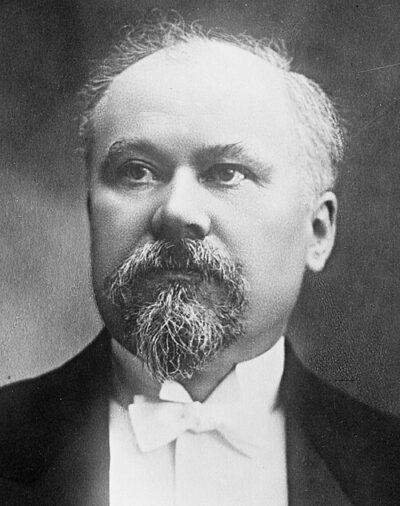 Raymond PoincaréFrench statesman and lawyer, President of France (1860-1934)
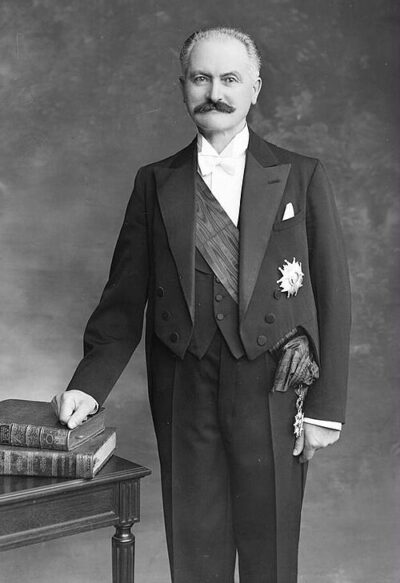 Albert Lebrun15th President of the French Republic (1871–1950)
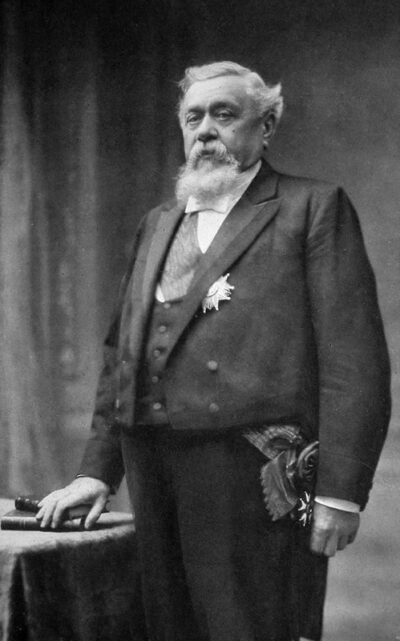 Armand Fallières9th president of France (1841–1931)
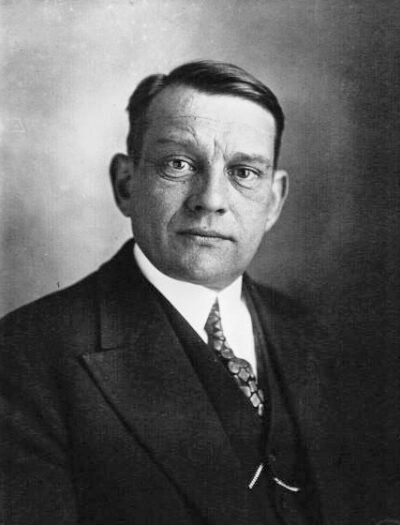 René Coty17th President of the French Republic (1882–1962)
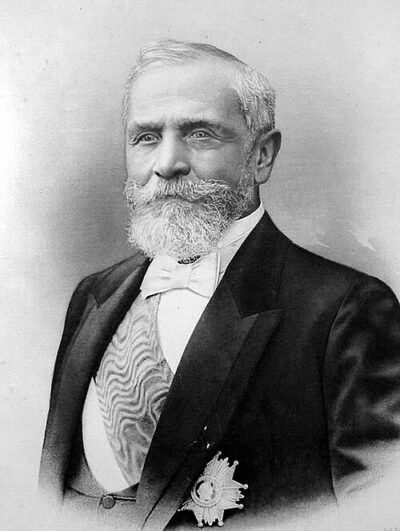 Émile Loubet8th president of France (1838–1929)
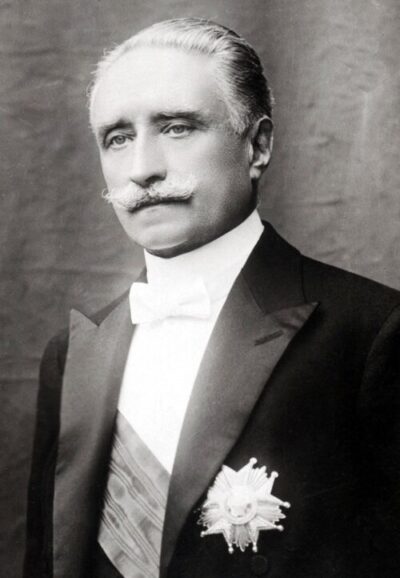 Paul Deschanel11th President of the French Republic (1855–1922)
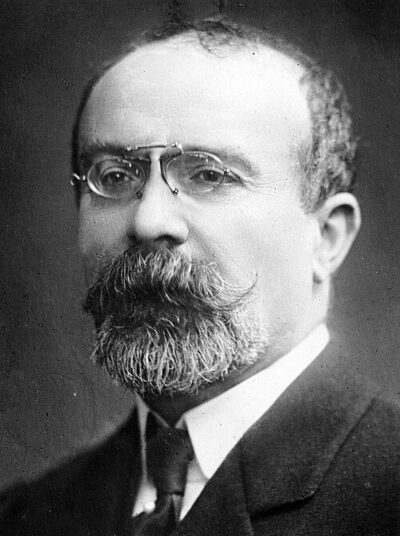 Louis BarthouFrench politician (1862-1934)
 Paul ReynaudFrench politician and lawyer (1878-1966)
 André TardieuPrime Minister of France (1876–1945)
 André MaginotFrench minister of war (1922 - '24; 1929 - '32)
 Joseph CaillauxFrench politician (1863-1944)
 Antoine PinayFrench politician (1891-1994)
 Pierre-Étienne Flandin (1914–1940)French prime minister (1889-1958)
 Jules MélineFrench politician (1838-1925)
 Joseph LanielPrime Minister of France (1889-1975)
