Dutch East Indies
Dutch East Indies is a Dutch colony in Southeast Asia and Oceania (1800–1949).
- Founded
- January 1, 1800
- Country
- Dutch Republic (1603–1800)
All 7 facts, and where they come from
Facts
7 facts · 0 confirmed by two sources · 0 cited · 7 from one source
Where this comes from
Papalocal keeps its own record. It started from these sources; what each one said is kept here as it was copied, so a change on their side never changes this page by itself. Tap one to read its version.
What Wikidata says · copied November 17, 2026 · revision 2514545184
- Described as
- Dutch colony in Southeast Asia and Oceania (1800–1949)
- Other names
- Netherlands East Indies, Dutch Indies, Nederlands-Indië, Netherlands Indies, Insulinde
- What it is
- historical country (1949–); colony (1603–1949)
- Comes after
- Lanfang Republic
- Founded
- January 1, 1800
- Ended
- December 27, 1949
- Country
- Dutch Republic (1603–1800); Kingdom of the Netherlands (1800–1949)
- Wikipedias with a page
- 83
Wikidata item Q188161 (wikidata.org/wiki/Q188161), public domain (CC0). Copied 2026-11-17.
What Wikipedia says · copied November 17, 2026 · revision 1385841740
The Dutch East Indies was a colony of the Dutch Empire, established in 1800 when the Batavian Republic took control of the Dutch East India Company. In 1824, Dutch Malacca was ceded to Britain, and is now part of modern Malaysia, with most of the rest becoming Indonesia in August 1945. During the 19th century, Dutch forces fought a series of wars against indigenous states which greatly expanded the Dutch East Indies. Dutch rule reached its greatest territorial extent in the early 20th century with the occupation of Western New Guinea.
The colony contributed to Dutch global prominence in spice and cash crop trade in the 19th century, and coal and oil exploration in the 20th century. The colonial social order was rigidly racial with the Dutch elite living separately from but linked to their native subjects. The term Indonesia was used for the geographical location after 1880. In the early 20th century, local intellectuals conceived Indonesia as a nation state, setting the stage for an independence movement.
Japan's World War II occupation dismantled much of the Dutch colonial state and economy. Following the Japanese surrender on 15 August 1945, Indonesian nationalist leaders Sukarno and Hatta declared independence, instigating the Indonesian National Revolution. The Dutch, aiming to re-establish control of the archipelago, responded by deploying roughly 220,000 troops, who fought a counterinsurgency campaign against Indonesian nationalists. The United States threatened to terminate financial aid for the Netherlands under the Marshall Plan if they did not agree to transfer sovereignty to Indonesia, leading to Dutch recognition of Indonesian sovereignty at the 1949 Dutch–Indonesian Round Table Conference. During the revolution and after Indonesian independence, almost all Dutch citizens repatriated to the Netherlands.
In 1962, the Dutch turned over their last possession in Southeast Asia, Dutch New Guinea (Western New Guinea), to Indonesia under the provisions of the New York Agreement. At that point, the entirety of the colony ceased to exist.
From the Wikipedia article “Dutch East Indies” (en.wikipedia.org/wiki/Dutch_East_Indies), by its contributors, under CC BY-SA 4.0 (creativecommons.org/licenses/by-sa/4.0/). Copied 2026-11-17; not changed.
Confirmed Two sources agree. Cited One source, and it names where it got it. One source One source, without a reference of its own. Sources disagree The sources disagree. We show the best-supported value and keep theirs below.
People connected 7
Citizen of
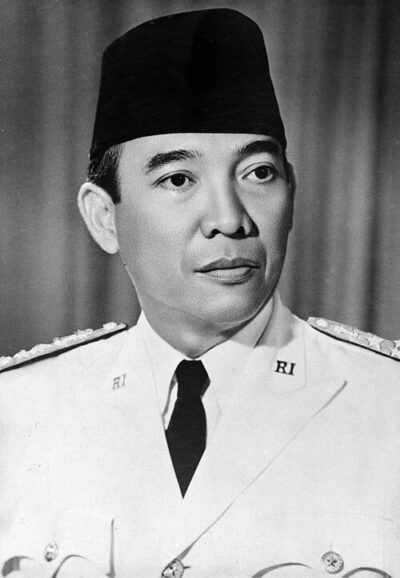 Sukarno1st President of Indonesia (1901—1970)
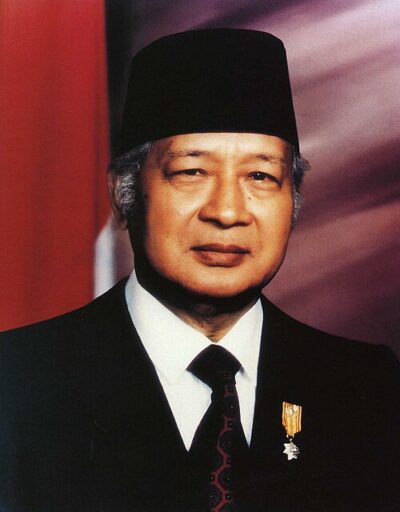 Suharto2nd President of Indonesia (1968—1998) and Acting President of Indonesia (1967—1968)
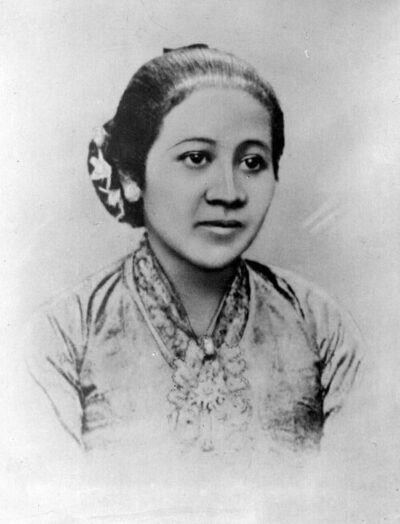 KartiniIndonesian heroine, feminist (1879–1904)
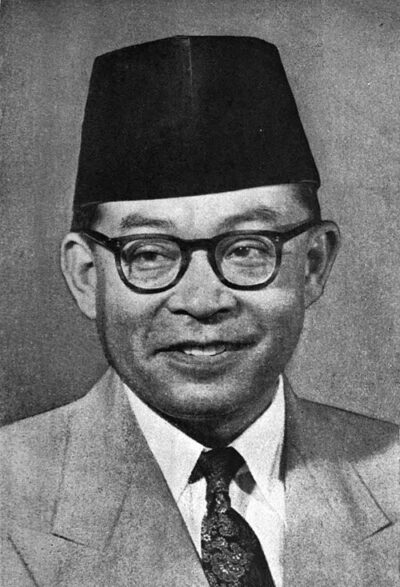 Mohammad Hatta (–1949)1st vice president of Indonesia from 1945 to 1956 (1902–1980)
 DiponegoroJavanese prince who opposed Dutch colonialism during the Java War (1825-1830)
 Raden Salehpainter from Indonesia (1811-1880)