

École nationale d'administration
École nationale d'administration is a French graduate school ("grande école") (1945–2021). It was founded by Charles de Gaulle. Its headquarters are in Strasbourg. 80 students study there (2021).
- Country
- France
- Founded
- October 9, 1945
- Students
- 80 (2021)
- What it is
- école d'application
All 13 facts, and where they come from
Facts
13 facts · 0 confirmed by two sources · 3 cited · 10 from one source
Where this comes from
Papalocal keeps its own record. It started from these sources; what each one said is kept here as it was copied, so a change on their side never changes this page by itself. Tap one to read its version.
What Wikidata says · copied November 16, 2026 · revision 2561843782
- Described as
- French graduate school ("grande école") (1945–2021)
- Other names
- Enarchs, The École Nationale d'Administration, National School of Public Administration, ENA
- What it is
- grande école; école d'application; educational institution
- Followed by
- Institut national du service public
- Founded
- October 9, 1945
- Ended
- December 31, 2021
- Founded by
- Charles de Gaulle
- Headquarters
- Strasbourg
- Country
- France
- Industry
- higher education · 1 reference
- Part of
- HESAM University (2015–) · 1 reference
- Students
- 80 (2021) · 1 reference
- Official website
- http://www.ena.fr
- Wikipedias with a page
- 42
Wikidata item Q273579 (wikidata.org/wiki/Q273579), public domain (CC0). Copied 2026-11-16.
What Wikipedia says · copied November 16, 2026 · revision 1359414637
The École nationale d'administration (French pronunciation: [ekɔl nɑsjɔnal dadministʁɑsjɔ̃]; ENA; English: National School of Administration) was a French grande école, created in 1945 by the then provisional chief of government Charles de Gaulle and principal co-author of the 1958 Constitution Michel Debré, to democratize access to the senior civil service. The school was frequently criticized from the 1970s onward for having built an incredibly elitist culture as well as being a stronghold for technocrats. As a result, it was dissolved on 31 December 2021 and replaced by the Institut national du service public (INSP).
The ENA selected and supervised the initial training of senior French officials. It was considered to be one of the most academically demanding French schools, both because of its low acceptance rates and because a large majority of its candidates had already graduated from other elite schools in the country such as Sciences Po or the École Polytechnique. Thus, within French society, the ENA stood as one of the main pathways to high positions in the public and private sectors. Indeed, 4 Presidents of France from the beginning of the 5th Republic in 1958 to the present day (including Emmanuel Macron) and many prime-ministers and ministers, studied at the ENA.
Originally located in Paris, it had been relocated to Strasbourg in order to emphasize its European character. It was based in the former Commanderie Saint-Jean, though continued to maintain a Paris campus. ENA produced around 80 to 90 graduates every year, known as étudiants-fonctionnaires, "enaos" or "énarques" (IPA: [enaʁk]). In 2002 the Institut international d'administration publique (IIAP) which educated French diplomats under a common structure with the ENA was merged with it. The ENA shares several traditions with the College of Europe, which was established shortly after.
In 2019, President Emmanuel Macron announced he would propose to abolish and replace the ENA. Macron is an ENA graduate himself, but the tight network of ENA graduates influencing the French civil service has been decried by populist protests such as the yellow vests movement as an elite governing class out of touch with the lower social classes. In April 2021, Macron confirmed the closure of the school, calling the closure "the most important reform of the senior public service" since the school's creation in 1945.
From the Wikipedia article “École nationale d'administration” (en.wikipedia.org/wiki/École_nationale_d'administration), by its contributors, under CC BY-SA 4.0 (creativecommons.org/licenses/by-sa/4.0/). Copied 2026-11-16; not changed.
Confirmed Two sources agree. Cited One source, and it names where it got it. One source One source, without a reference of its own. Sources disagree The sources disagree. We show the best-supported value and keep theirs below.
Picture: Wikimedia Commons: 100528ena paris06.jpg · See Commons file page
People connected 17
Studied here
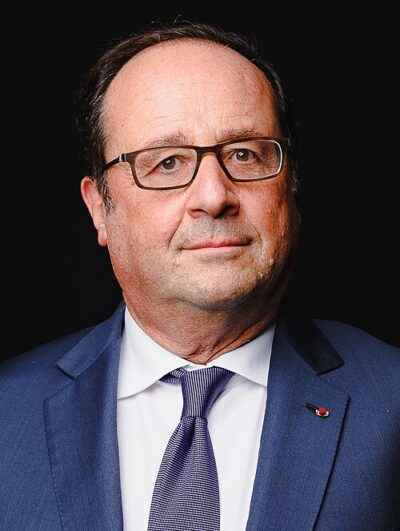 François Hollande (1978–1980)President of France from 2012 to 2017 (born 1954)
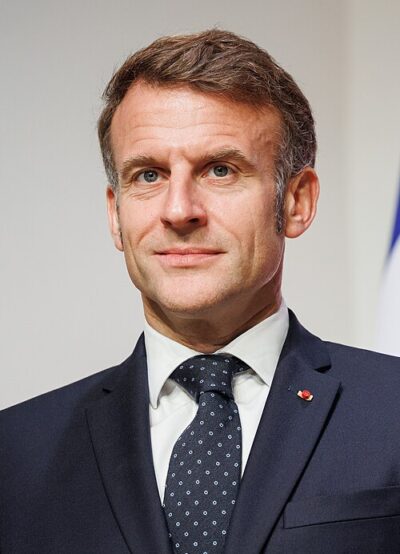 Emmanuel Macron (2002–2004)President of France and Co-Prince of Andorra since 2017
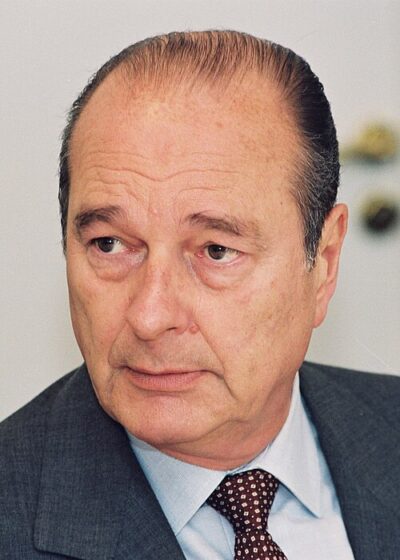 Jacques Chirac (1957–1959)President of France from 1995 to 2007
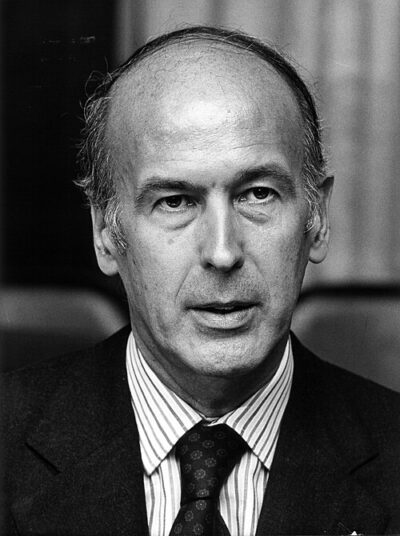 Valéry Giscard d'Estaing (1949–1951)French official and politician (1926–2020)
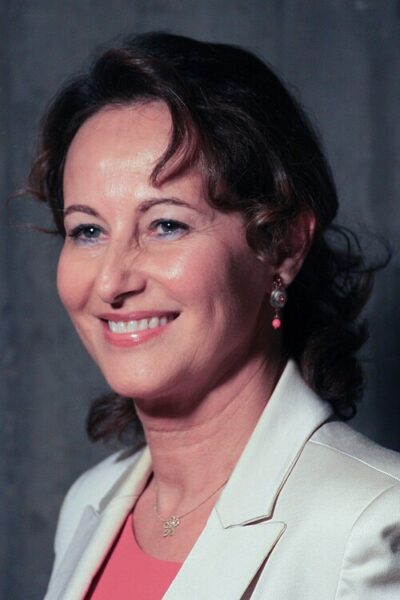 Ségolène Royal (1978–1980)French politician (born 1953)
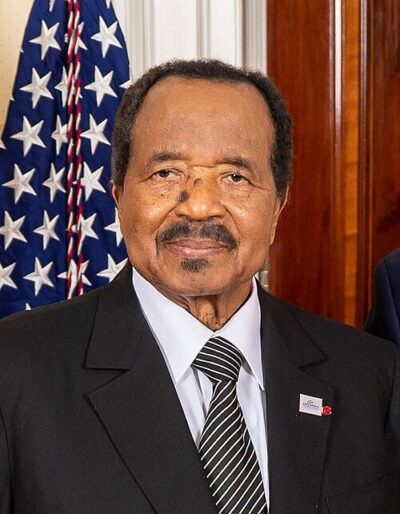 Paul BiyaCameroonian politician
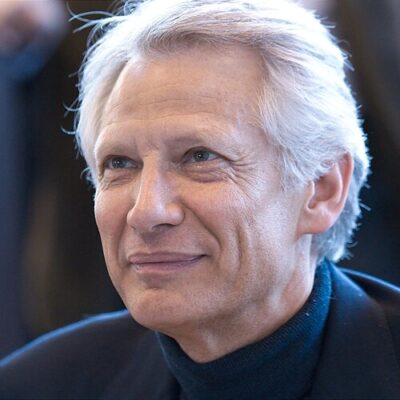 Dominique de Villepin (1978–1980)French politician and diplomat; 95th Prime Minister of France
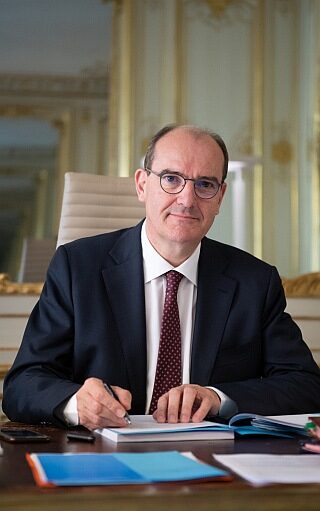 Jean Castex (1989–1991)Prime Minister of France from 2020 to 2022
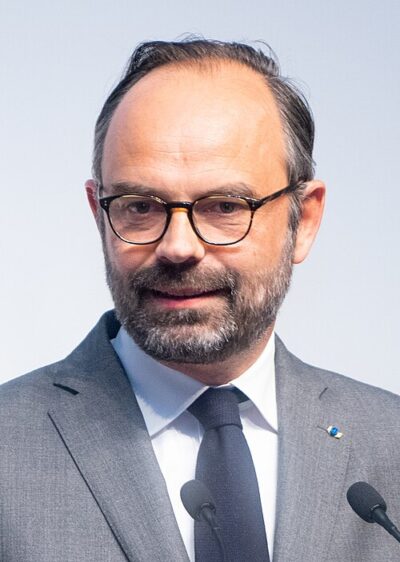 Édouard Philippe (1995–1997)Prime Minister of France from 2017 to 2020
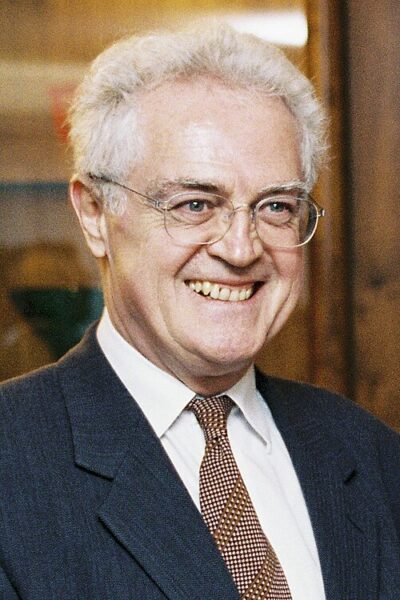 Lionel Jospin (1963–1965)93rd Prime Minister of France (1997–2002)
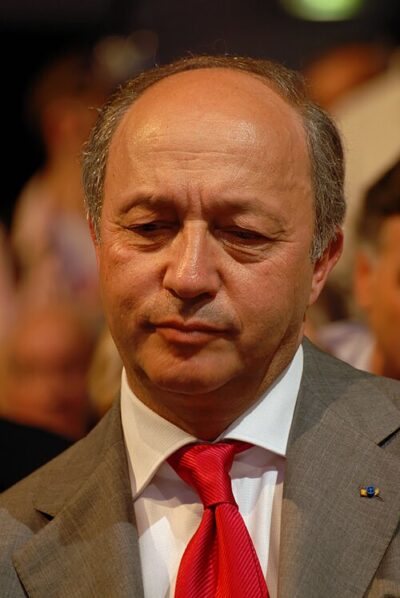 Laurent Fabius (1971–1973)87th Prime Minister of France (born 1946)
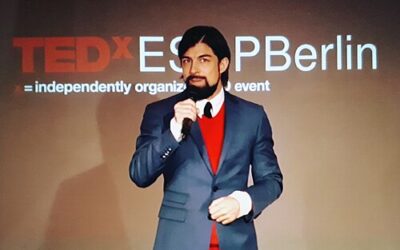 Andreas KaplanGerman economist, dean, university rector; higher education expert; edtech; social media; artificial intelligence
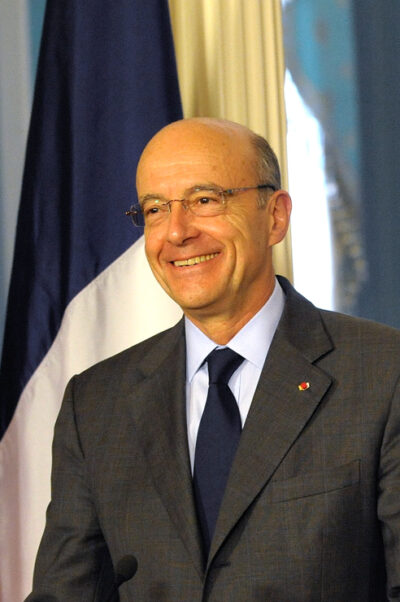 Alain Juppé (1970–1972)92nd Prime Minister of France (born 1945)
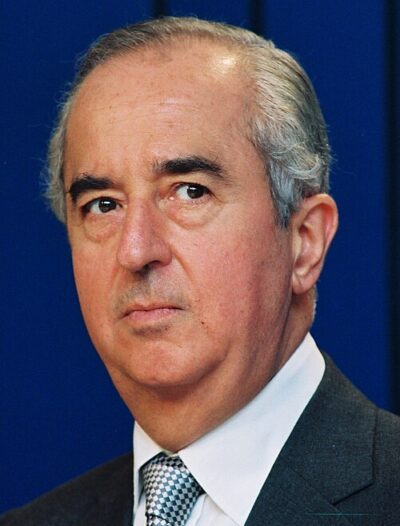 Édouard Balladur (1955–1957)91st Prime Minister of France (1929–2026)
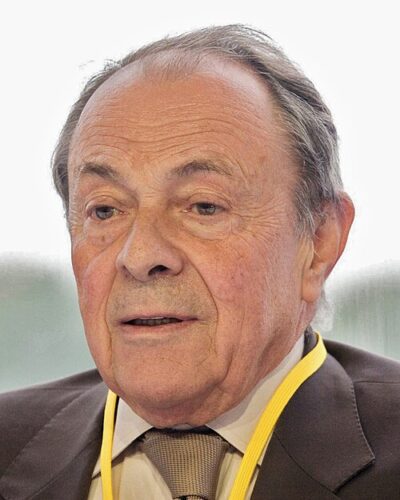 Michel Rocard (1956–1958)French politician (1930–2016)
- AAdly Mansour (1975–1977)Egyptian judge and statesman; former interim President of Egypt
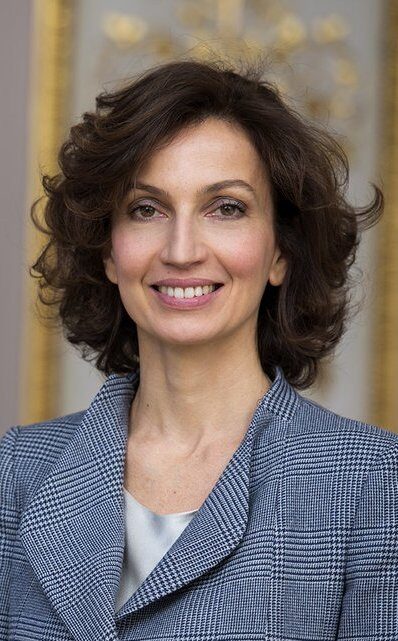 Audrey Azoulay (1998–2000)French politician (1972-)
