
French Section of the Workers' International
French Section of the Workers' International is a political party in France. It was founded in 1905 by Jean Jaurès and Jules Guesde. Its headquarters are in Paris. It stands for socialism.
- Country
- France
- Founded
- 1905
- Ideology
- socialism
- Chair
- Jean Jaurès
All 11 facts, and where they come from
Facts
11 facts · 0 confirmed by two sources · 0 cited · 11 from one source
Where this comes from
Papalocal keeps its own record. It started from these sources; what each one said is kept here as it was copied, so a change on their side never changes this page by itself. Tap one to read its version.
What Wikidata says · copied November 17, 2026 · revision 2511598433
- Described as
- political party in France
- Other names
- Section Française de l'Internationale Ouvrière, SFIO
- What it is
- political party
- Followed by
- Socialist Party
- Founded
- 1905
- Ended
- 1969
- Founded by
- Jean Jaurès; Jules Guesde
- Headquarters
- Paris · 1 reference
- Country
- France
- Chair
- Jean Jaurès; Guy Mollet
- Ideology
- socialism
- Wikipedias with a page
- 28
Wikidata item Q1332068 (wikidata.org/wiki/Q1332068), public domain (CC0). Copied 2026-11-17.
What Wikipedia says · copied November 17, 2026 · revision 1379190421
The French Section of the Workers' International (French: Section française de l'Internationale ouvrière, SFIO) was a major social democratic political party in France which was founded in 1905 and succeeded in 1969 by the present Socialist Party.
The SFIO was founded in 1905 as the French representative to the Second International, merging the Marxist Socialist Party of France led by Jules Guesde and the possibilist French Socialist Party led by Jean Jaurès, who became the SFIO's leading figure. Electoral support for the party rose from 10 percent in the 1906 election to 17 percent in 1914, and during World War I it participated in France's national unity government, sacrificing its ideals of internationalist class struggle in favor of national patriotism, as did most other members of the Second International. In 1920, the SFIO split over views on the 1917 Russian Revolution; the majority became the French Communist Party, while the minority continued as the SFIO.
In the 1930s, mutual concern over fascism drew the communists and socialists together, prompting them to form the Popular Front. The coalition won the 1936 election and formed a government under SFIO leader Léon Blum, which lasted until 1938. After the outbreak of World War II and German conquest of France in 1940, the SFIO was banned, and many of its members took part in the Resistance. The SFIO was part of France's tripartisme government from 1944 to 1947, but after the war faced a resurgent Communist Party, which achieved a higher share of the vote in every election for the next three decades. From 1956 to 1957, SFIO leader Guy Mollet served as prime minister, but the party continued its period of decline and disunity. In 1969, the present Socialist Party of France was formed from a merger of the SFIO and smaller parties.
Between 1909 and 1920, the SFIO published the newspaper L'Humanité. In French politics, it affiliated with the Left Cartel (1924–1926, and 1934), the Popular Front (1936–1938), the Tripartisme (1944–1947), and the Third Force (1947–1958). Internationally, the party was first affiliated with the Second International (1905–1916), then the Labour and Socialist International (1923–1940), and finally the Socialist International (1951–1969). The SFIO's symbol was a red and black circle with the Three Arrows.
From the Wikipedia article “French Section of the Workers' International” (en.wikipedia.org/wiki/French_Section_of_the_Workers'_International), by its contributors, under CC BY-SA 4.0 (creativecommons.org/licenses/by-sa/4.0/). Copied 2026-11-17; not changed.
Confirmed Two sources agree. Cited One source, and it names where it got it. One source One source, without a reference of its own. Sources disagree The sources disagree. We show the best-supported value and keep theirs below.
People connected 33
Party members 33
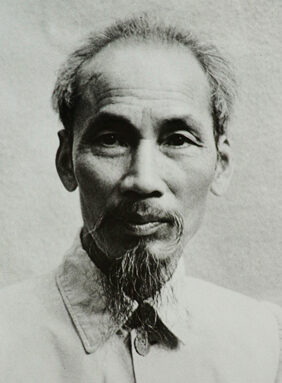 Ho Chi Minh (1919–1921)Vietnamese communist leader, founder of North Vietnam (1890–1969)
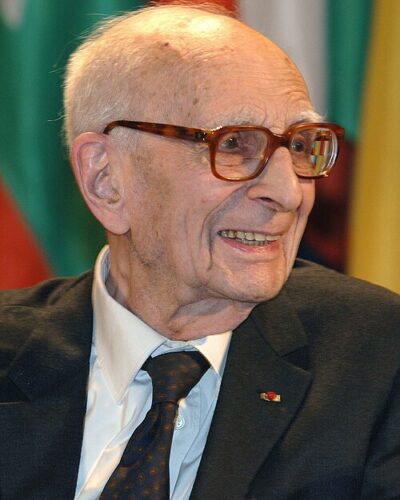 Claude Lévi-StraussFrench anthropologist and ethnologist (1908–2009)
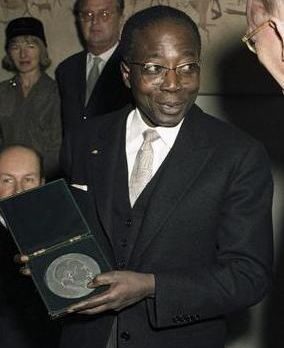 Léopold Sédar Senghorfirst president of Senegal, poet, and cultural theorist (1906–2001)
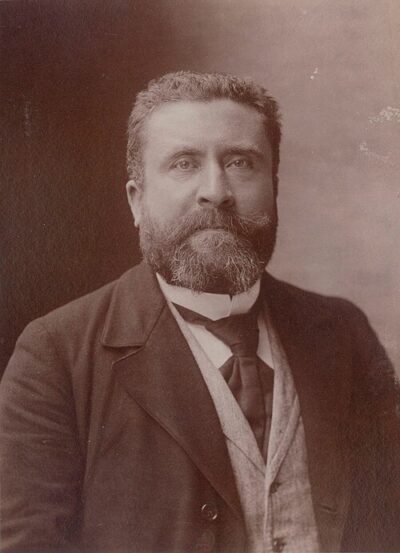 Jean JaurèsFrench / Occitan socialist leader (1859-1914)
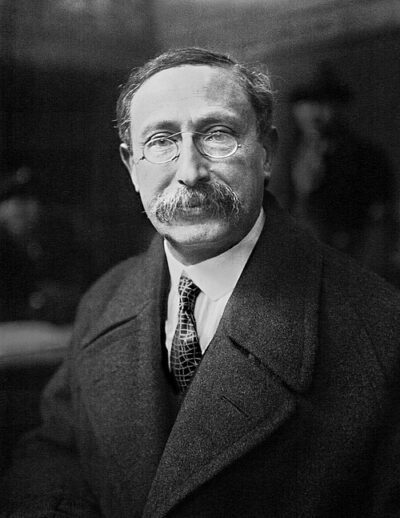 Léon BlumFrench politician (1872–1950)
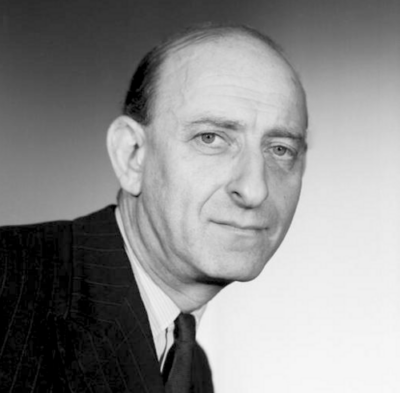 Raymond Aron (1925–)French philosopher, sociologist, journalist, and political scientist (1905–1983)
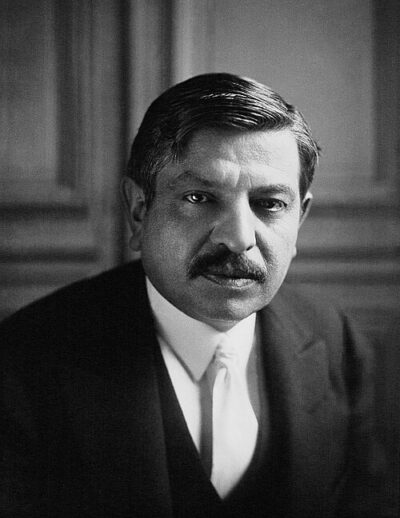 Pierre Laval (1905–1922)French politician (1883–1945)
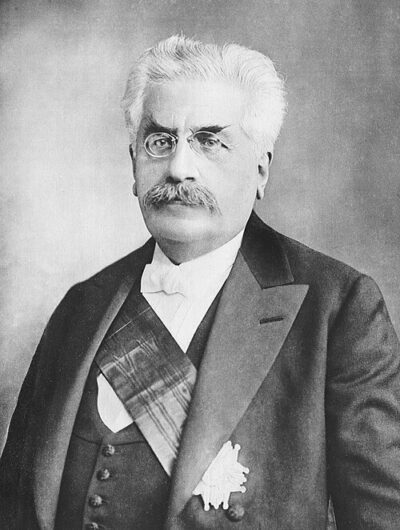 Alexandre MillerandFrench lawyer and statesman (1859–1943)
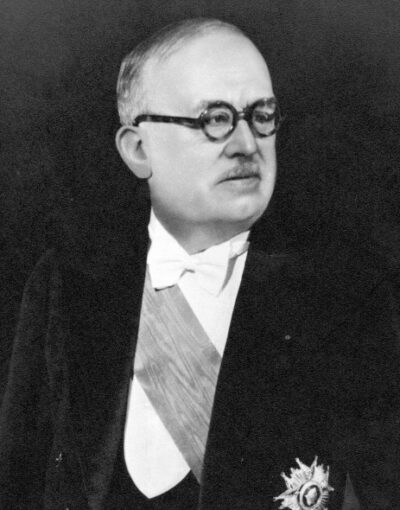 Vincent Auriol16th President of the French Republic (1884–1966)
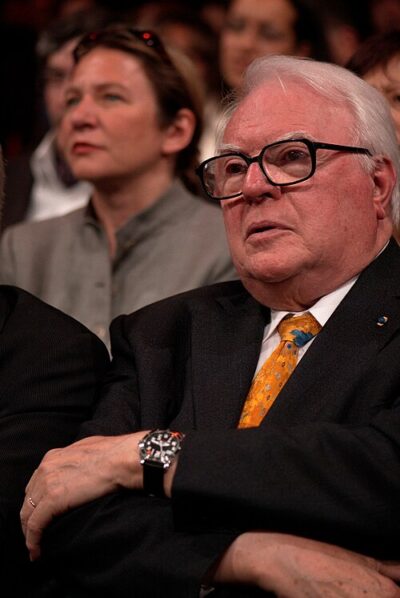 Pierre Mauroy86th Prime Minister of France (1928-2013)
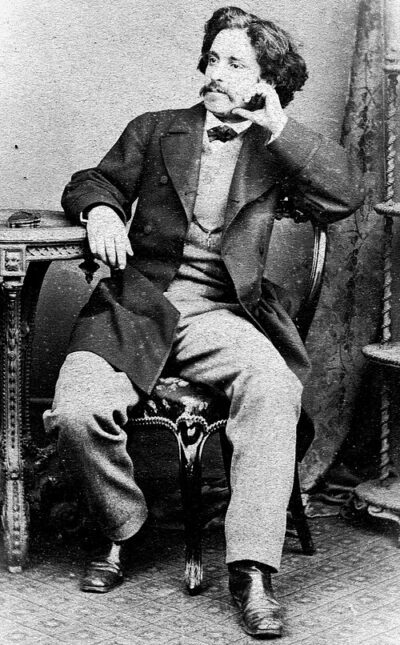 Paul Lafarguewriter, journalist, literary critic and revolutionary; also known for being Karl Marx's son-in-law (1842-1911)
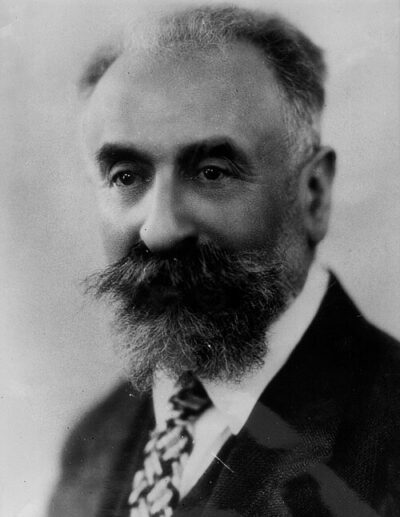 Marcel MaussFrench sociologist and anthropologist (1872-1950)
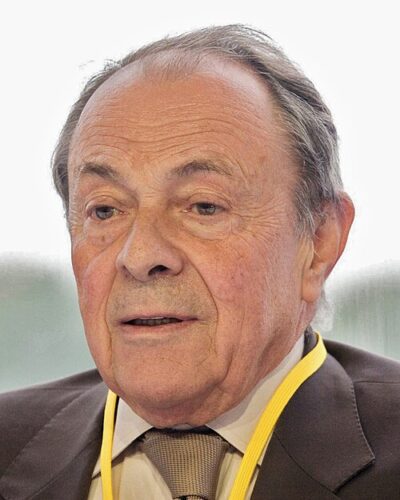 Michel RocardFrench politician (1930–2016)
- EEdmond DebeaumarchéFrench Resistance member
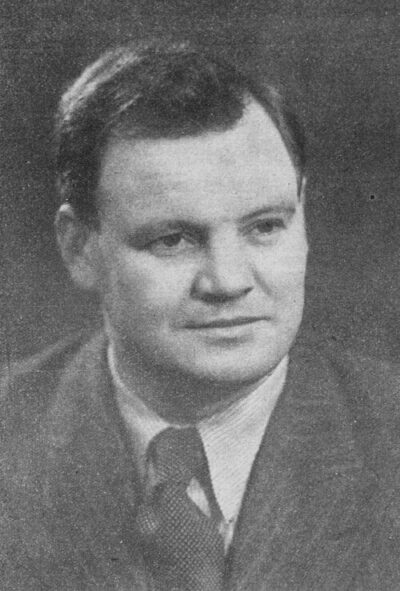 Maurice ThorezFrench politician (1900-1964)
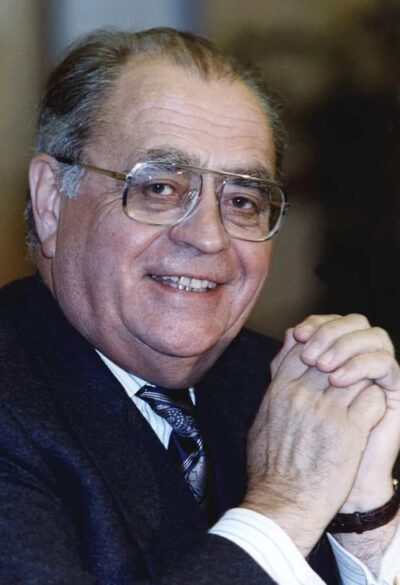 Pierre Bérégovoy90th Prime Minister of France (1925-1993)
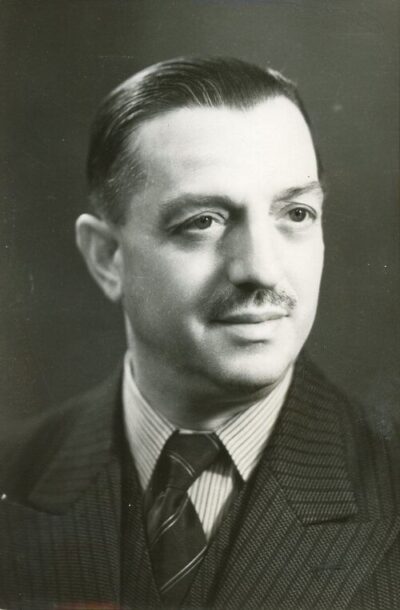 Félix GouinFrench politician and jurist, temporary Prime Minister of France (1884-1977)
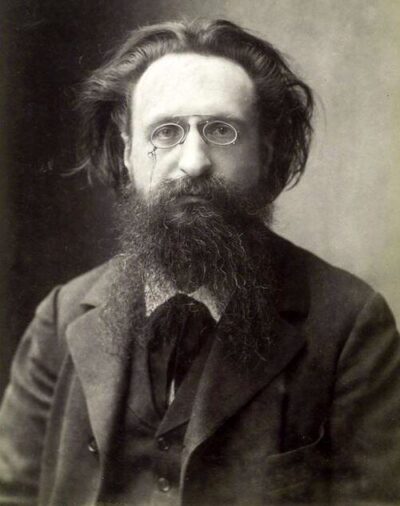 Jules GuesdeFrench socialist journalist and politician (1845–1922)
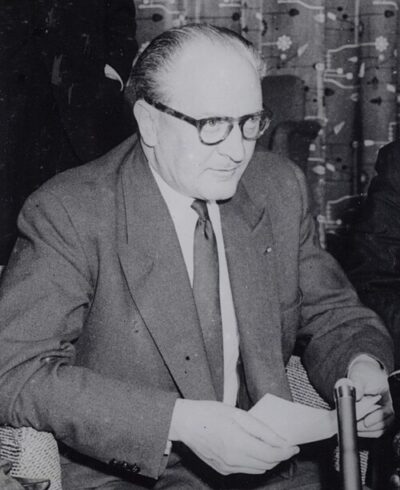 Guy Mollet (1923–1969)French politician (1905-1975)
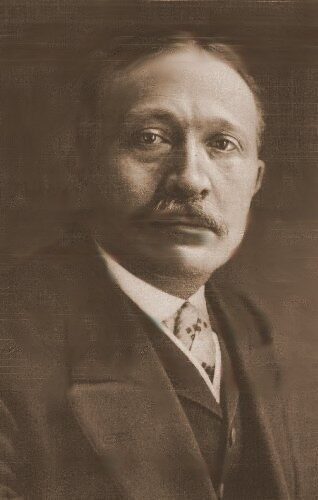 René VivianiPrime Minister of France (1862-1925)
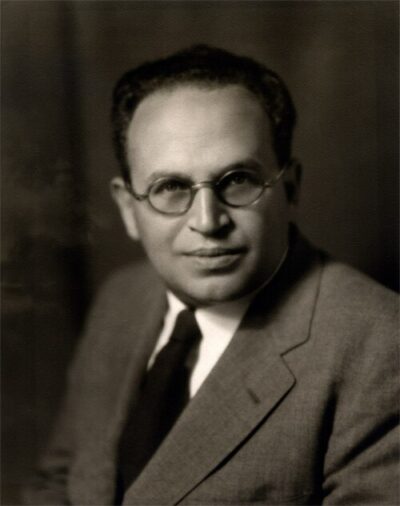 Paul LazarsfeldAustrian-American sociologist
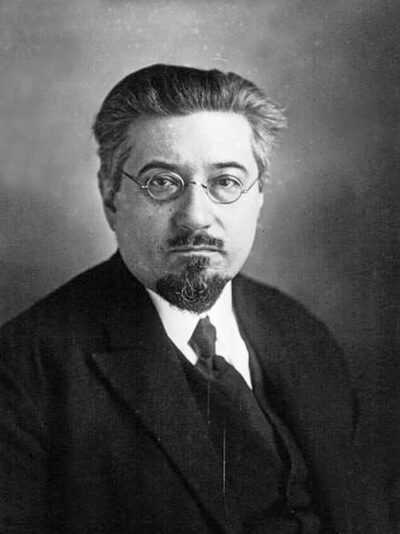 Paul RamadierPrime Minister of France (1888–1961)
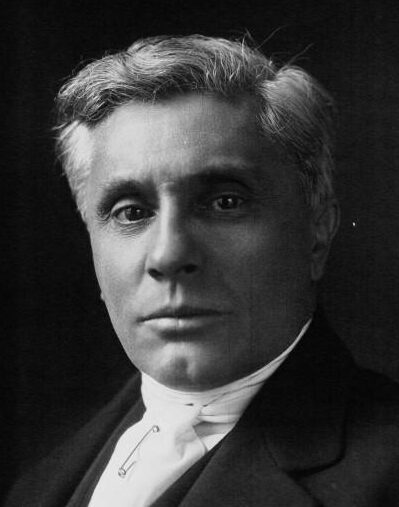 Joseph Paul-BoncourFrench politician and diplomat (1873–1972)
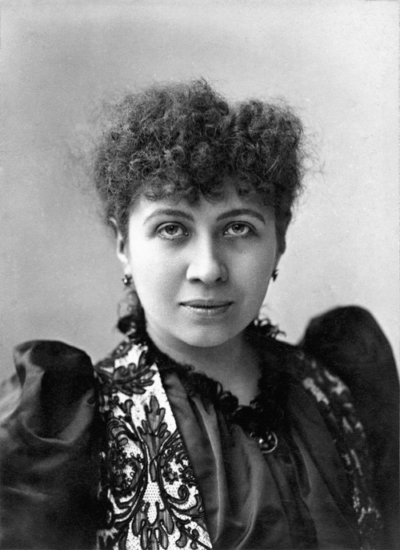 Séverine (1918–)French anarchist, journalist and feminist (1855–1929)
and 9 more
