
Socialist Party
The Socialist Party is a French political party (1969–present). It was founded by François Mitterrand. Its headquarters are in rue de Solférino. It stands for social democracy, social ecology and social liberalism.
- Country
- France
- Founded
- May 4, 1969
- Ideology
- social democracy
- Chair
- Olivier Faure (2018–)
All 12 facts, and where they come from
Facts
12 facts · 0 confirmed by two sources · 1 cited · 11 from one source
Where this comes from
Papalocal keeps its own record. It started from these sources; what each one said is kept here as it was copied, so a change on their side never changes this page by itself. Tap one to read its version.
What Wikidata says · copied November 16, 2026 · revision 2569225582
- Described as
- French political party (1969–present)
- Other names
- Parti socialiste, Parti socialiste français, PS, Parti Socialiste, Socialist Party (France)
- What it is
- political party
- Comes after
- French Section of the Workers' International
- Founded
- May 4, 1969
- Founded by
- François Mitterrand
- Headquarters
- rue de Solférino (–2018)
- Country
- France
- Industry
- activities of political organizations · 1 reference
- Chair
- Olivier Faure (2018–) · 1 reference
- Ideology
- social democracy; social ecology; social liberalism
- Official website
- https://www.parti-socialiste.fr/
- Wikipedias with a page
- 70
Wikidata item Q170972 (wikidata.org/wiki/Q170972), public domain (CC0). Copied 2026-11-16.
What Wikipedia says · copied November 16, 2026 · revision 1384014796
The Socialist Party (French: Parti socialiste [paʁti sɔsjalist], PS) is a centre-left to left-wing political party in France. It holds social democratic and pro-European views. The PS was for decades the largest party of the "French Left" and used to be one of the two major political parties under the Fifth Republic, along with the Rally for the Republic in the late 20th century, and with the Union for a Popular Movement in the early 2000s. It is currently led by First Secretary Olivier Faure. The PS is a member of the Party of European Socialists, Progressive Alliance and Socialist International.
The PS was founded in 1969 from a merger of the French Section of the Workers' International (SFIO), the Convention of Republican Institutions led by François Mitterrand, and other groups. In the 1970s, the PS surpassed the Communist Party's share of the left-wing vote. It first won power in 1981, when Mitterrand was elected president. The PS achieved a governing majority in the National Assembly from 1981 to 1986, and again from 1988 to 1993. PS leader Lionel Jospin lost his bid to succeed Mitterrand as president in 1995 to conservative Jacques Chirac, but he served as prime minister in a cohabitation government from 1997 to 2002, when he was again defeated by Chirac in the presidential election.
In the 2007 presidential election, the PS's candidate, Ségolène Royal, was defeated by conservative Nicolas Sarkozy. In 2012, François Hollande, the leader of the party from 1997 to 2008, was elected president, and the party also won a governing majority. During his term, Hollande battled with high unemployment, multiple Jihadi terrorist attacks, poor opinion ratings and a splinter group of Socialist MPs known as frondeurs (rebels). Facing the emergence of centrist Emmanuel Macron and left-winger Jean-Luc Mélenchon, PS candidate Benoît Hamon finished 5th in the 2017 presidential election. The PS also declined to the 4th largest party in the 2017 legislative election, and to the 6th largest in 2022.
Several figures who acted at the international level have also been members of the PS, including Jacques Delors, who was the president of the European Commission from 1985 to 1994 and the first person to serve three terms in that office; Dominique Strauss-Kahn, who was the managing director of the International Monetary Fund from 2007 to 2011; and Pascal Lamy, who was Director-General of the World Trade Organization from 2005 to 2013. Party membership has declined precipitously, to a low of 22,000 members in 2021, down from 173,486 members in 2012, although it claimed 47,000 members in 2024, recovering to its standing around 2016, when it had 42,300 members.
From the Wikipedia article “Socialist Party (France)” (en.wikipedia.org/wiki/Socialist_Party_(France)), by its contributors, under CC BY-SA 4.0 (creativecommons.org/licenses/by-sa/4.0/). Copied 2026-11-16; not changed.
Confirmed Two sources agree. Cited One source, and it names where it got it. One source One source, without a reference of its own. Sources disagree The sources disagree. We show the best-supported value and keep theirs below.
People connected 24
Party members
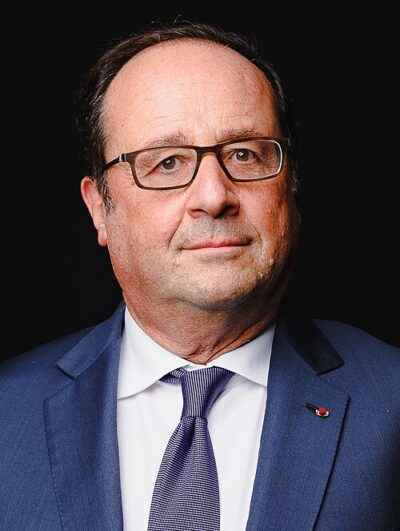 François Hollande (1979–)President of France from 2012 to 2017 (born 1954)
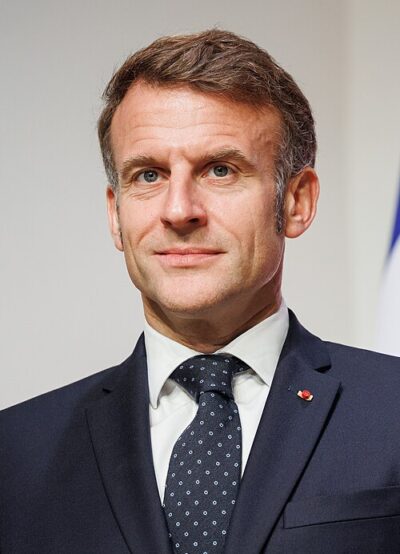 Emmanuel Macron (2006–2009)President of France and Co-Prince of Andorra since 2017
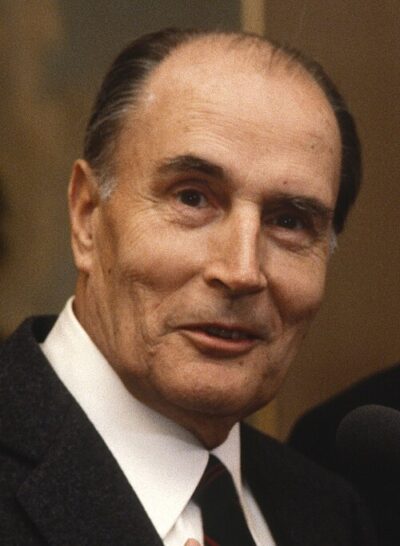 François Mitterrand (1971–1996)21st President of the French Republic from 1981 to 1995 (1916–1996)
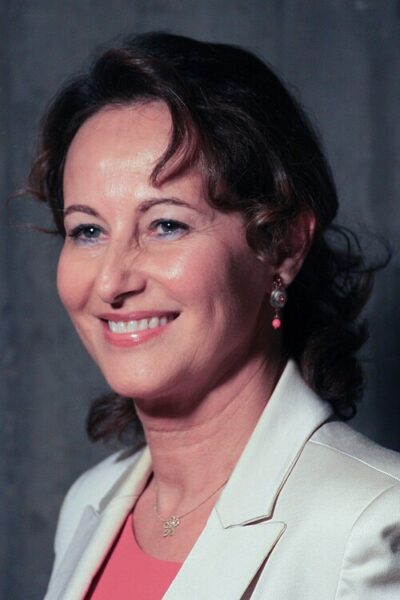 Ségolène RoyalFrench politician (born 1953)
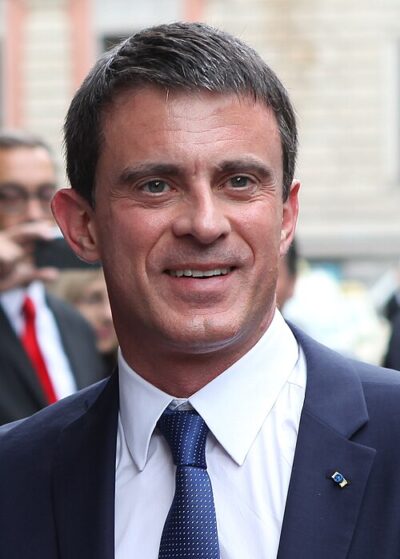 Manuel Valls (1980–2017)French and Spanish politician
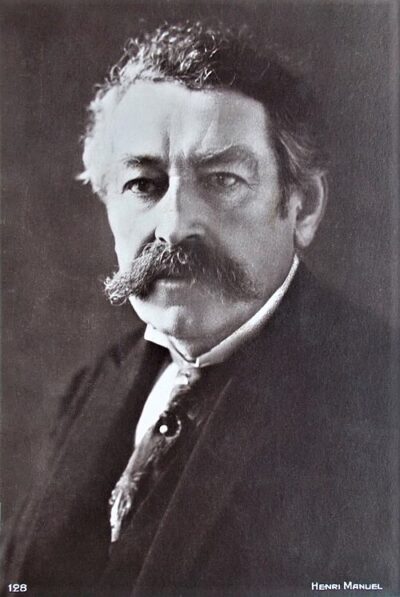 Aristide Briandpolitician, statesman, and Nobel Peace Prize laureate from France (1862-1932)
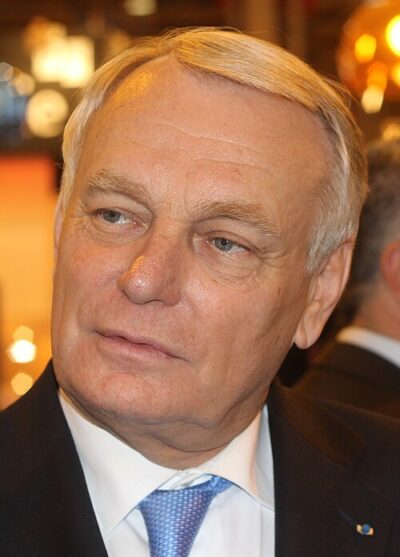 Jean-Marc AyraultPrime Minister of France (2012-2014)
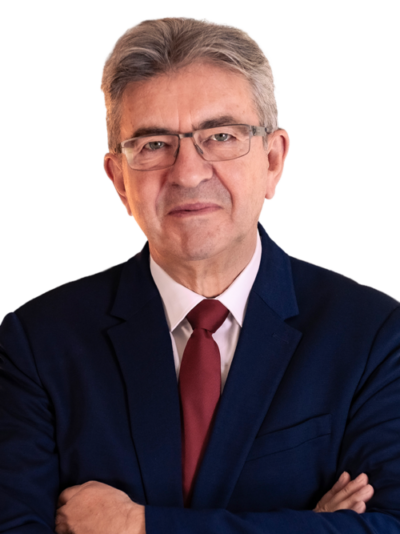 Jean-Luc Mélenchon (1976–2008)French left-wing populist politician (born 1951)
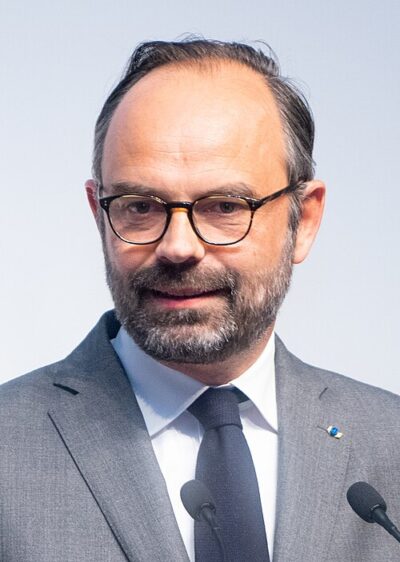 Édouard Philippe (1990–1992)Prime Minister of France from 2017 to 2020
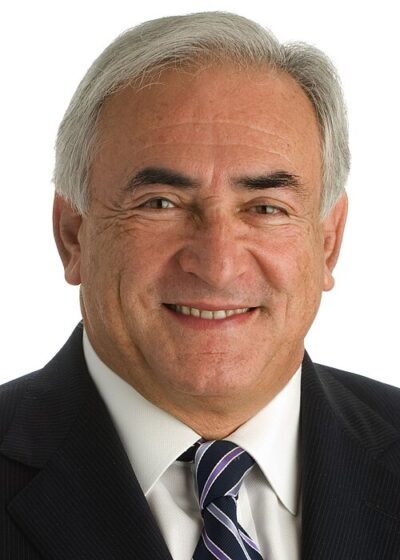 Dominique Strauss-KahnFrench economist
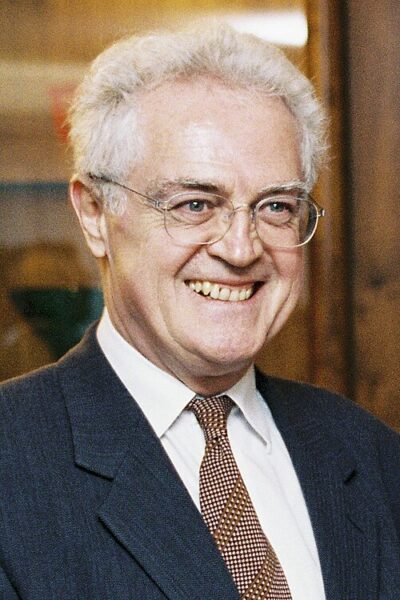 Lionel Jospin93rd Prime Minister of France (1997–2002)
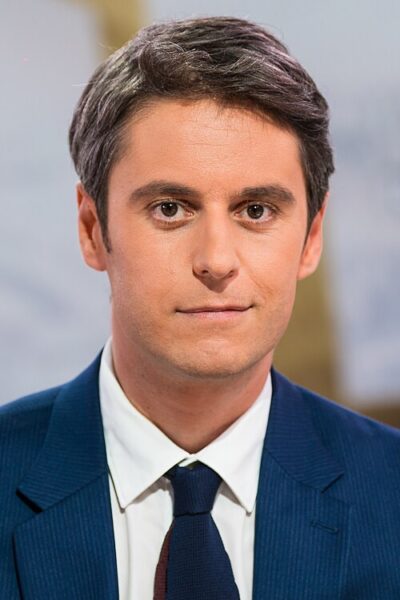 Gabriel Attal (2006–2016)Prime Minister of France in 2024
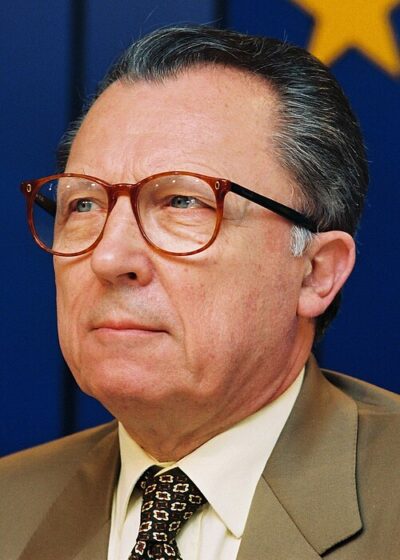 Jacques DelorsFrench economist and politician (1925–2023)
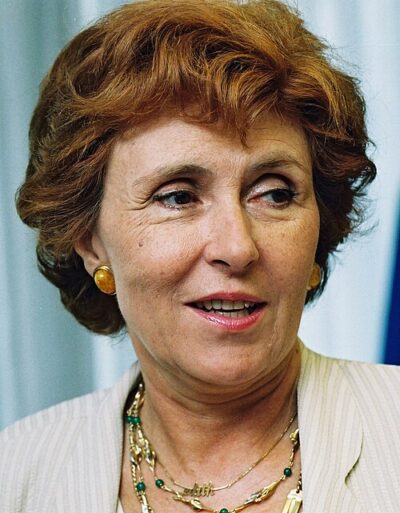 Édith CressonPrime Minister of France from 1991 to 1992
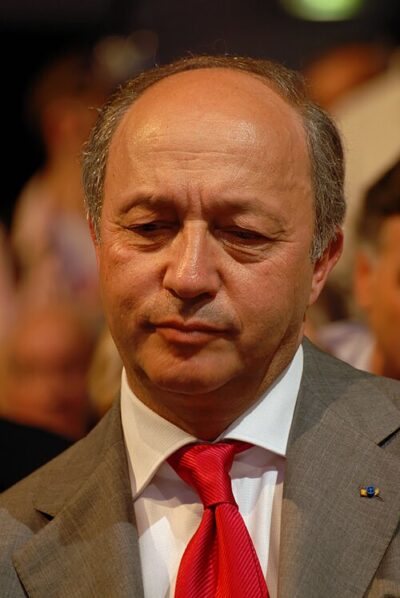 Laurent Fabius87th Prime Minister of France (born 1946)
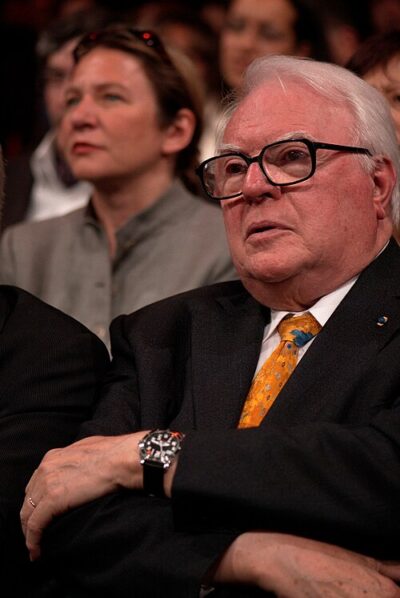 Pierre Mauroy86th Prime Minister of France (1928-2013)
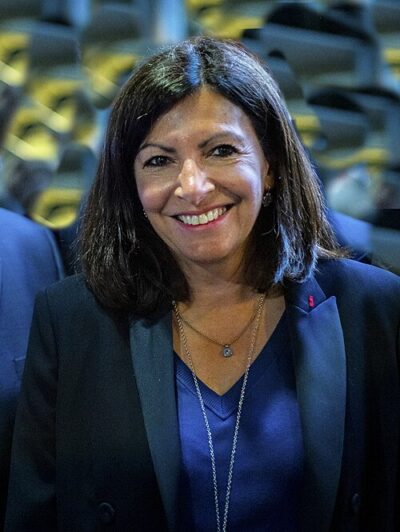 Anne HidalgoSpanish–French politician
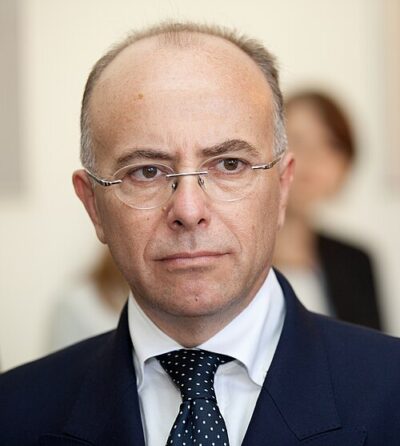 Bernard CazeneuveFrench prime minister
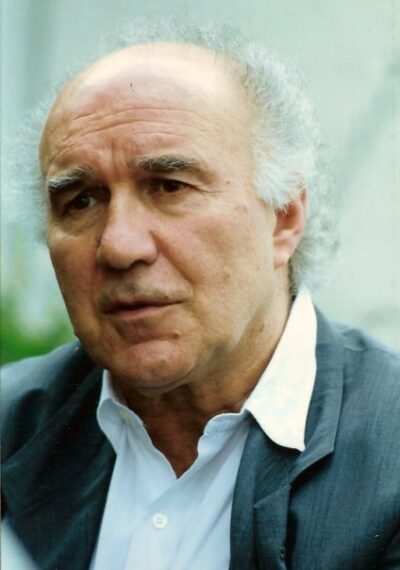 Michel PiccoliFrench actor (1925–2020)
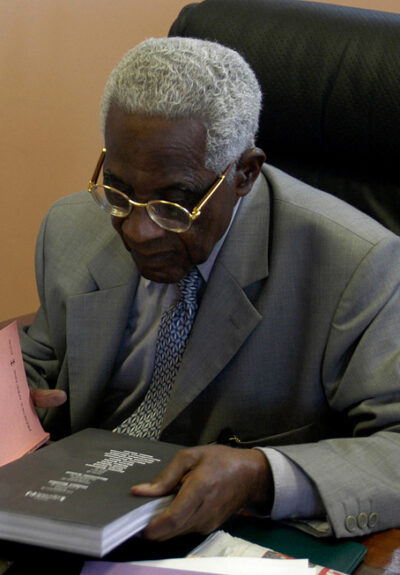 Aimé CésaireMartinican writer, poet and politician (1913–2008)
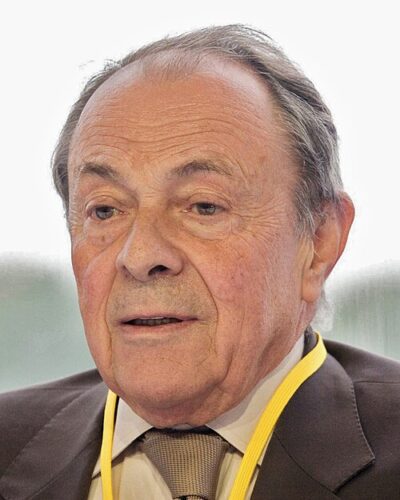 Michel Rocard (1974–)French politician (1930–2016)
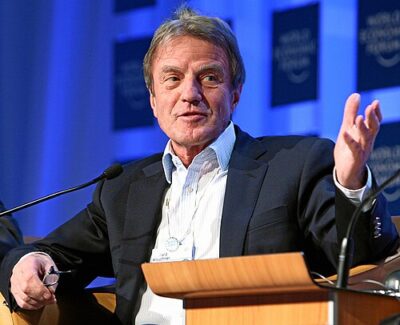 Bernard KouchnerFrench doctor and politician
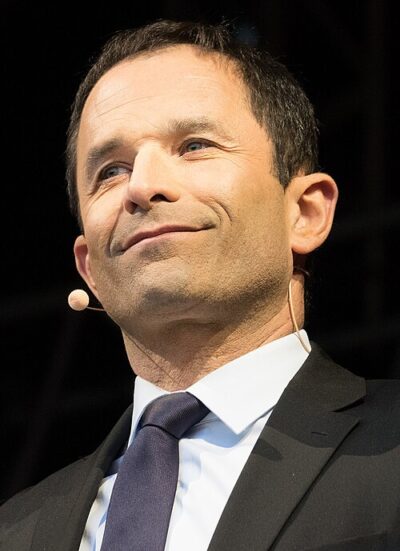 Benoît Hamon (1986–2017)French politician
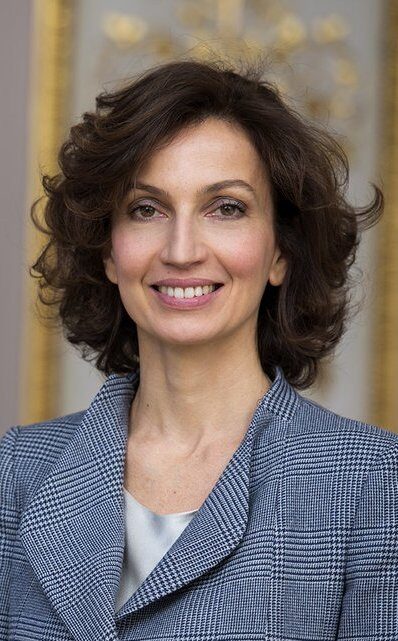 Audrey AzoulayFrench politician (1972-)
