
Gay-Lussac-Humboldt-Prize
Gay-Lussac-Humboldt-Prize is a science award. It was created in 1981.
- Country
- France
- Created
- 1981
All 6 facts, and where they come from
Facts
6 facts · 0 confirmed by two sources · 0 cited · 6 from one source
Where this comes from
Papalocal keeps its own record. It started from these sources; what each one said is kept here as it was copied, so a change on their side never changes this page by itself. Tap one to read its version.
What Wikidata says · copied November 17, 2026 · revision 2567563532
- Described as
- science award
- What it is
- science award
- Created
- 1981
- Country
- France; Germany
- Named after
- Alexander von Humboldt; Joseph Louis Gay-Lussac
- Wikipedias with a page
- 5
Wikidata item Q1496528 (wikidata.org/wiki/Q1496528), public domain (CC0). Copied 2026-11-17.
What Wikipedia says · copied November 17, 2026 · revision 1380015933
The Gay-Lussac–Humboldt Prize is a German–French science prize. It was created in 1981 by French President Valéry Giscard d'Estaing and German Chancellor Helmut Schmidt based on the recommendation of the German and French research ministries. The prize money is €60,000.
The prize is awarded to researchers that have made outstanding contributions in science, especially in cooperation between the two countries. Four to five German and French scientists from all research disciplines are honored with this award every year. The prize was originally named after Alexander von Humboldt and carries since 1997 the double name Gay-Lussac–Humboldt.
The Gay-Lussac–Humboldt Award is granted by the French Ministry of Higher Education and Research to German researchers nominated by French researchers. On the other hand, it is awarded by the Alexander von Humboldt Foundation to French researchers nominated by German scientists.
From the Wikipedia article “Gay-Lussac–Humboldt Prize” (en.wikipedia.org/wiki/Gay-Lussac–Humboldt_Prize), by its contributors, under CC BY-SA 4.0 (creativecommons.org/licenses/by-sa/4.0/). Copied 2026-11-17; not changed.
Confirmed Two sources agree. Cited One source, and it names where it got it. One source One source, without a reference of its own. Sources disagree The sources disagree. We show the best-supported value and keep theirs below.
People connected 7
Won it
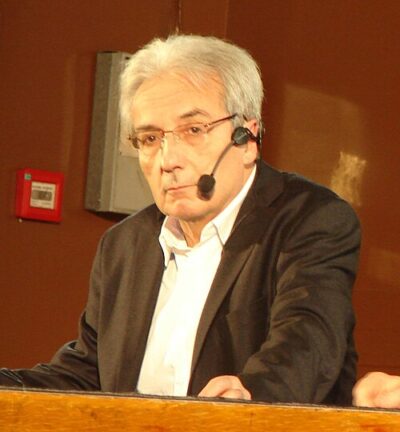 Albert Fert (2014)French physicist, Nobel laureate in physics
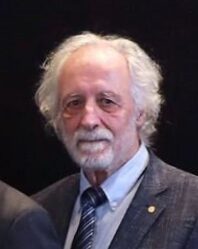 Pierre Agostini (2003)French physicist
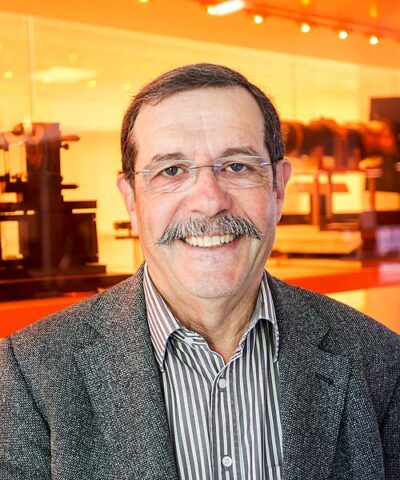 Alain Aspect (1999)French physicist
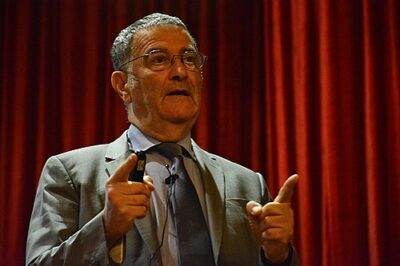 Serge Haroche (1991)French physicist, Nobel laureate
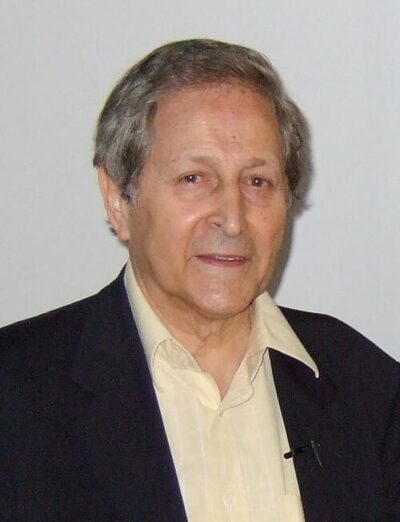 Claude Cohen-Tannoudji (1990)French physicist and Nobel laureate (1933–2026)
 Pierre-Gilles de Gennes (1983)French physicist
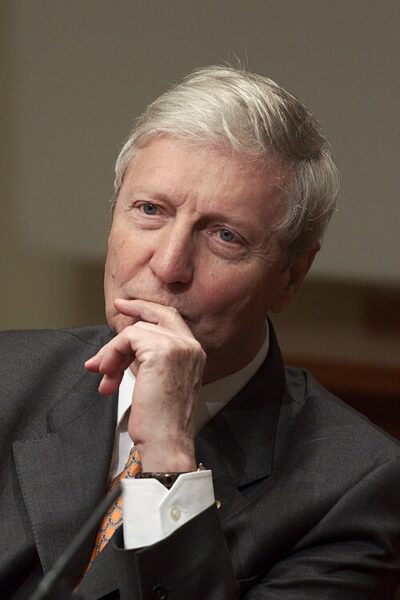 Jules A. Hoffmann (1983)French biologist
