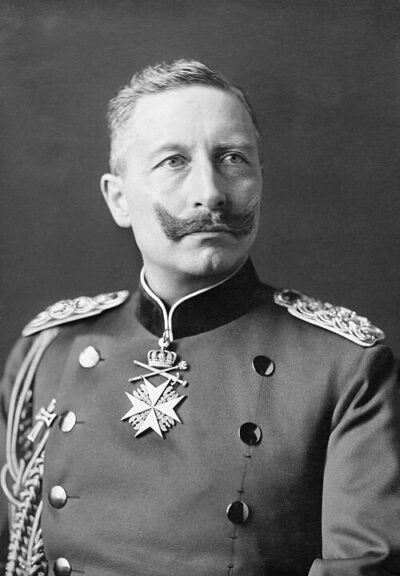
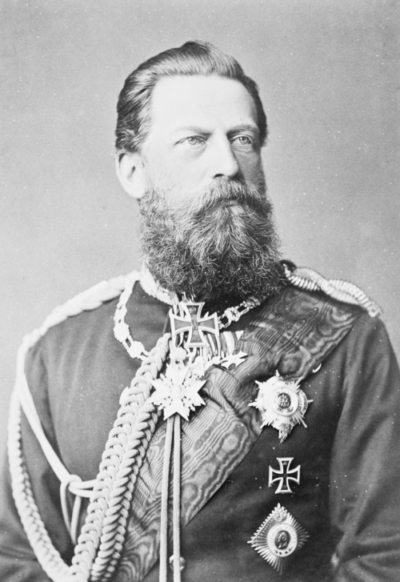
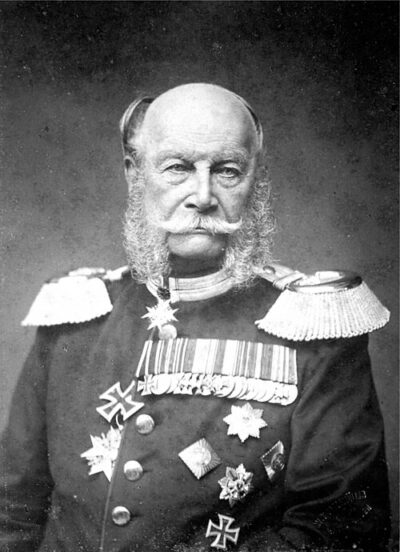
German Emperor
German Emperor is a head of state of the German Empire (1871–1918).
- Office of
- German Empire
- Country
- German Reich
- Created
- January 1, 1871
All 6 facts, and where they come from
Facts
6 facts · 0 confirmed by two sources · 0 cited · 6 from one source
Where this comes from
Papalocal keeps its own record. It started from these sources; what each one said is kept here as it was copied, so a change on their side never changes this page by itself. Tap one to read its version.
What Wikidata says · copied November 17, 2026 · revision 2527038511
- Described as
- head of state of the German Empire (1871–1918)
- Other names
- Deutscher Kaiser, Kaiser, emperor of Germany, Kaiser of Germany, German Kaiser
- What it is
- hereditary position; historical position
- Created
- January 1, 1871
- Ended
- November 28, 1918
- Country
- German Reich
- Office of
- German Empire
- Wikipedias with a page
- 40
Wikidata item Q501503 (wikidata.org/wiki/Q501503), public domain (CC0). Copied 2026-11-17.
What Wikipedia says · copied November 17, 2026 · revision 1383701355
The German Emperor (German: Deutscher Kaiser, pronounced [ˈdɔʏtʃɐ ˈkaɪzɐ] ) was the official title of the head of state and hereditary ruler of the German Empire. A specifically chosen term, it was introduced with the 1 January 1871 constitution and lasted until the abdication of Wilhelm II was announced on 9 November 1918. The Holy Roman Emperor is sometimes also called "German Emperor" when the historical context is clear, as derived from the Holy Roman Empire's official name of "Holy Roman Empire of the German Nation" from 1512.
Following the revolution of 1918, the head of state was the president of the Reich (German: Reichspräsident), beginning with Friedrich Ebert.
From the Wikipedia article “German Emperor” (en.wikipedia.org/wiki/German_Emperor), by its contributors, under CC BY-SA 4.0 (creativecommons.org/licenses/by-sa/4.0/). Copied 2026-11-17; not changed.
Confirmed Two sources agree. Cited One source, and it names where it got it. One source One source, without a reference of its own. Sources disagree The sources disagree. We show the best-supported value and keep theirs below.