
German Völkisch Freedom Party
The German Völkisch Freedom Party is a political party. It was founded in 1922. Its headquarters are in Berlin. It stands for German nationalism, antisemitism and Nazism.
- Country
- Weimar Republic
- Founded
- December 16, 1922
- Ideology
- German nationalism
All 9 facts, and where they come from
Facts
9 facts · 0 confirmed by two sources · 4 cited · 5 from one source
Where this comes from
Papalocal keeps its own record. It started from these sources; what each one said is kept here as it was copied, so a change on their side never changes this page by itself. Tap one to read its version.
What Wikidata says · copied November 17, 2026 · revision 2518351980
- Described as
- political party
- What it is
- political party
- Comes after
- German National People's Party · 1 reference
- Founded
- December 16, 1922 · 1 reference
- Ended
- 1933
- Headquarters
- Berlin · 1 reference
- Country
- Weimar Republic
- Ideology
- German nationalism; antisemitism · 1 reference; Nazism
- Wikipedias with a page
- 10
Wikidata item Q541427 (wikidata.org/wiki/Q541427), public domain (CC0). Copied 2026-11-17.
What Wikipedia says · copied November 17, 2026 · revision 1384078562
The German Völkisch Freedom Party (German: Deutschvölkische Freiheitspartei, or DVFP) was an early far-right political party of Weimar Germany that took its name from the Völkisch movement, a right-wing populist and antisemitic movement focused on folklore and the German Volk. Anti-communist, its criticism of capitalism reflected economic antisemitism rather than socialism. The DVFP was founded on 16 December 1922, when Wilhelm Henning, Reinhold Wulle, and Albrecht von Graefe broke from the German National People's Party (DNVP). Leading right-wing figures, such as Ernst Graf zu Reventlow, Artur Dinter, and Theodor Fritsch, joined the party on its foundation.
Many members of the Deutschvölkischer Schutz- und Trutzbund joined the DVFP after the former was banned. After the Nazi Party was banned in the wake of the Beer Hall Putsch, the DVFP entered into an electoral alliance with many Nazis to form the National Socialist Freedom Movement in early 1924, a move endorsed by Erich Ludendorff and encouraged by Graefe, who hoped to gain control of the far right as a whole. This alliance was not a success, plans for a full merger fell through in August 1924, and Graefe and Wulle re-formed the DVFP, now named the German Völkisch Freedom Movement, as a rival to the Nazi Party in February 1925. The revived party was banned along with other non-Nazi parties in 1933.
From the Wikipedia article “German Völkisch Freedom Party” (en.wikipedia.org/wiki/German_Völkisch_Freedom_Party), by its contributors, under CC BY-SA 4.0 (creativecommons.org/licenses/by-sa/4.0/). Copied 2026-11-17; not changed.
Confirmed Two sources agree. Cited One source, and it names where it got it. One source One source, without a reference of its own. Sources disagree The sources disagree. We show the best-supported value and keep theirs below.
People connected 5
Party members
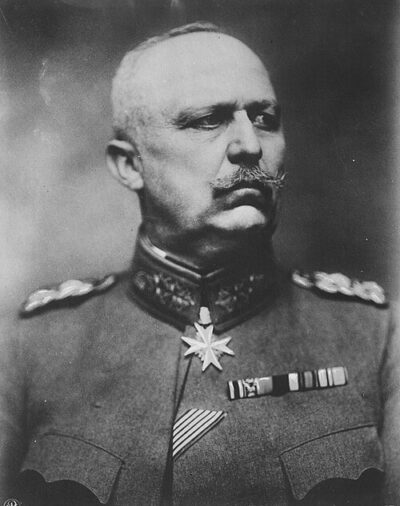 Erich LudendorffGerman general and politician (1865–1937)
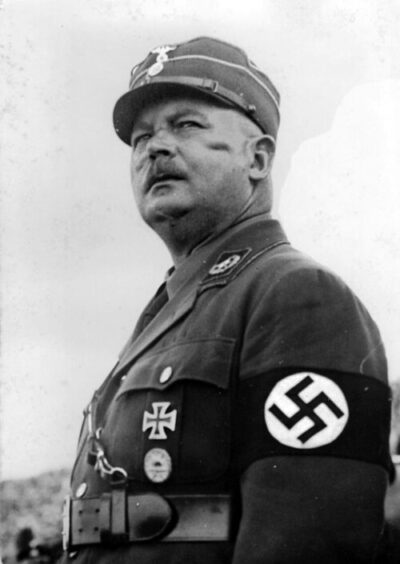 Ernst RöhmGerman Nazi politician, military officer and leader of the Sturmabteilung (1887-1934)
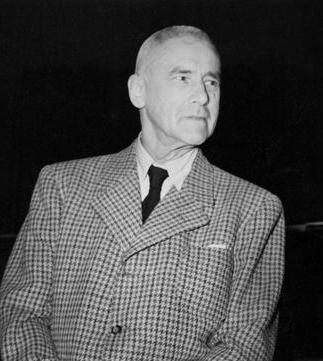 Wilhelm FrickGerman Nazi Party politician (1877–1946)
 Bernhard RustGerman Holocaust perpetrator (1883-1945)
 Wilhelm KubeGerman politician and Nazi official (1887-1943)
