

Grand Master of the Teutonic Knights
Grand Master of the Teutonic Knights is a Grand Master. It is an office of the State of the Teutonic Order.
- Office of
- State of the Teutonic Order
All 2 facts, and where they come from
Facts
2 facts · 0 confirmed by two sources · 0 cited · 2 from one source
Where this comes from
Papalocal keeps its own record. It started from these sources; what each one said is kept here as it was copied, so a change on their side never changes this page by itself. Tap one to read its version.
What Wikidata says · copied November 17, 2026 · revision 2551930004
- Other names
- grandmaster of the Teutonic Order
- What it is
- Grand Master
- Office of
- State of the Teutonic Order
- Wikipedias with a page
- 19
Wikidata item Q9373006 (wikidata.org/wiki/Q9373006), public domain (CC0). Copied 2026-11-17.
What Wikipedia says · copied November 17, 2026 · revision 1373668261
The grand master of the Teutonic Order (German: Hochmeister des Deutschen Ordens; Latin: Magister generalis Ordo Teutonicus) is the supreme head of the Teutonic Order. It is equivalent to the grand master of other military orders and the superior general in non-military Roman Catholic religious orders. Hochmeister, literally "high master", is only used in reference to the Teutonic Order, as Großmeister ("grand master") is used in German to refer to the leaders of other orders of knighthood.
An early version of the full title in Latin was Magister Hospitalis Sanctae Mariae Alemannorum Hierosolymitani. Since 1216, the full title Magister Hospitalis Domus Sanctae Mariae Teutonicorum Hierosolymitani ("Master of the Hospital House of the Blessed Virgin Mary of the Germans of Jerusalem") was used.
The offices of Hochmeister and Deutschmeister (Magister Germaniae) were united in 1525. The title of Magister Germaniae had been introduced in 1219 as the head of the bailiwicks in the Holy Roman Empire, from 1381 also those in Italy, raised to the rank of a prince of the Holy Roman Empire in 1494, but merged with the office of grand master under Walter von Cronberg in 1525, from which time the head of the order had the title of Hoch- und Deutschmeister. From 1466 to 1525, the Grand Masters of the Teutonic Order were vassals and princes of the Polish Crown.
From the Wikipedia article “Grand Master of the Teutonic Order” (en.wikipedia.org/wiki/Grand_Master_of_the_Teutonic_Order), by its contributors, under CC BY-SA 4.0 (creativecommons.org/licenses/by-sa/4.0/). Copied 2026-11-17; not changed.
Confirmed Two sources agree. Cited One source, and it names where it got it. One source One source, without a reference of its own. Sources disagree The sources disagree. We show the best-supported value and keep theirs below.
Picture: Wikimedia Commons: Portrait of Heinrich Walpot von Bassenheim.jpg · See Commons file page
People connected 12
Held this office
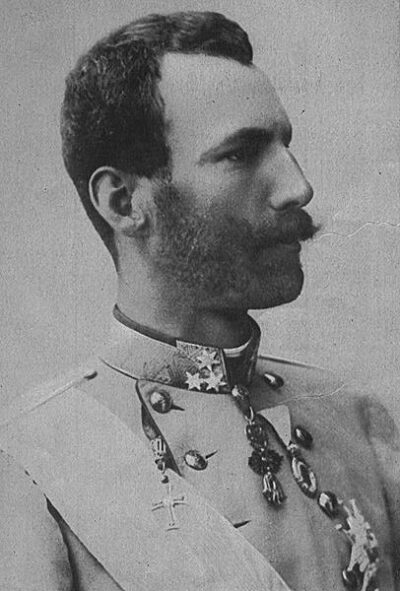 Archduke Eugen of Austria (1923–1933)Austrian archduke and military officer (1863-1954)
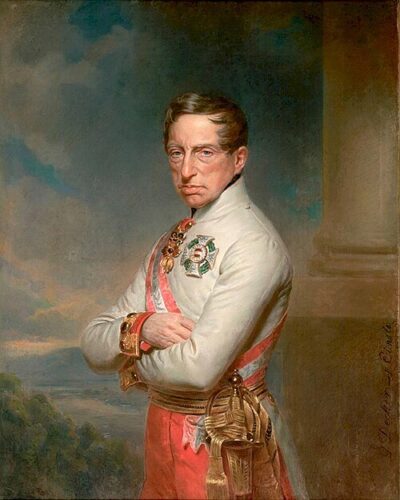 Archduke Charles, Duke of Teschen (1804–1835)Archduke of Austria (1771-1847)
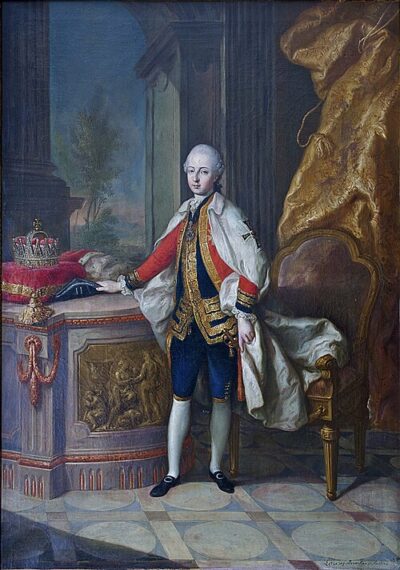 Archduke Maximilian Francis of Austria (1801–1804)Austrian archduke, archbishop of Cologne
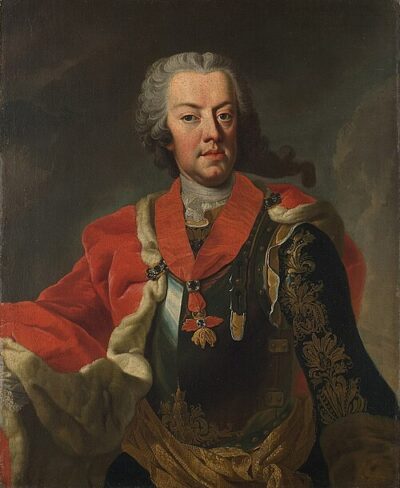 Prince Charles Alexander of Lorraine (1761–1780)Austrian general (1712-1780)
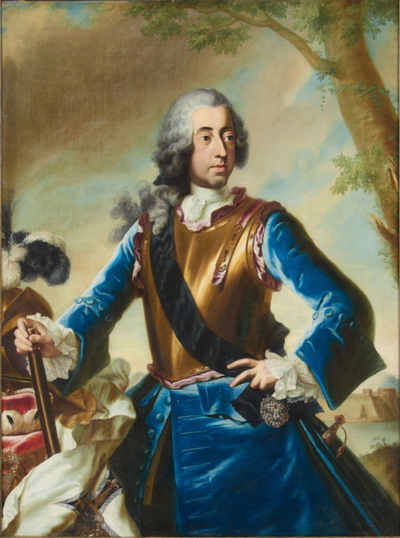 Clemens August of Bavaria (1761–1780)Catholic archbishop (1700-1761)
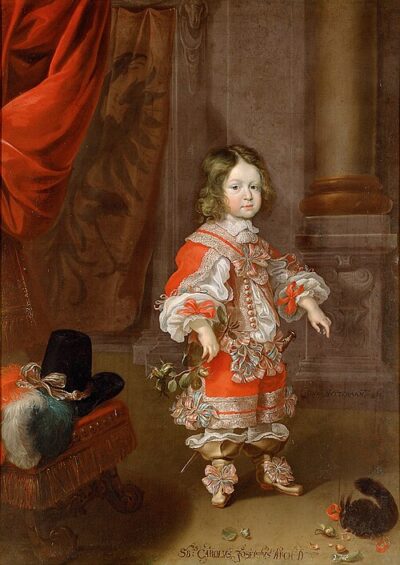 Archduke Charles Joseph of Austria (1662–1664)archduke of Austria, bishop of Breslau (1649-1664)
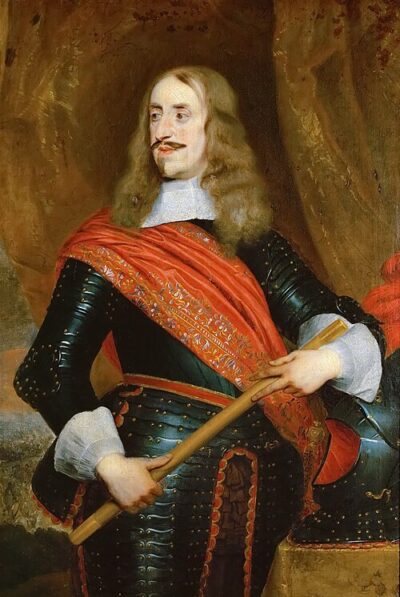 Archduke Leopold Wilhelm of Austria (1639–1662)Austrian archduke (1614-1662)
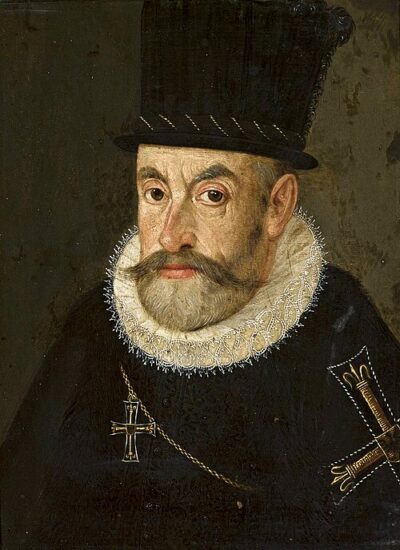 Maximilian III, Archduke of Austria (1590–1618)Austrian archduke (1558-1618)
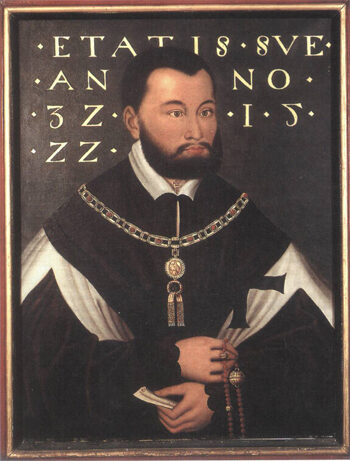 Albert, Duke in Prussia (1511–1525)Duke of Prussia from 1525 to 1568
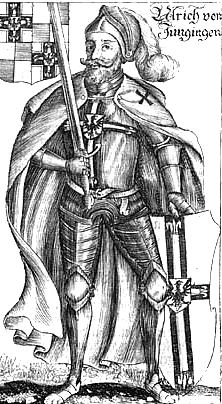 Ulrich von Jungingen (1407–1410)German noble (1360-1410)
 Konrad von Jungingen (1407–1410)German noble (1355-1407)
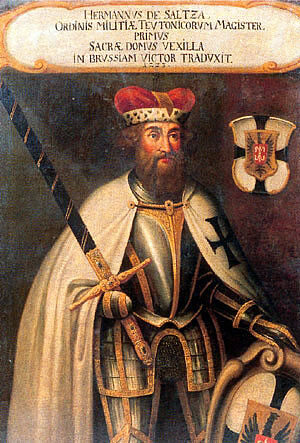 Hermann von Salza (1239–1240)Grand Master of the Teutonic Knights (1170-1239)
