
grand vizier
Grand vizier is a governor, high-ranking minister or political advisor of the Sultan. It was created in 1320.
- Country
- Ottoman Empire
- Created
- 1320
All 5 facts, and where they come from
Facts
5 facts · 0 confirmed by two sources · 2 cited · 3 from one source
Where this comes from
Papalocal keeps its own record. It started from these sources; what each one said is kept here as it was copied, so a change on their side never changes this page by itself. Tap one to read its version.
What Wikidata says · copied November 17, 2026 · revision 2556309930
- Described as
- governor, high-ranking minister or political advisor of the Sultan
- What it is
- position; historical position · 1 reference
- Created
- 1320 · 1 reference
- Ended
- November 17, 1922 · 1 reference
- Country
- Ottoman Empire · 1 reference
- Wikipedias with a page
- 50
Wikidata item Q18811 (wikidata.org/wiki/Q18811), public domain (CC0). Copied 2026-11-17.
What Wikipedia says · copied November 17, 2026 · revision 1378835476
Grand vizier (Arabic: الوزير الأعظم, romanized: al-Wazir al-a'zam; Persian and Ottoman Turkish: صدر اعظم, romanized: sadr-ı aʾzam; Turkish: sadrazam) was the title of the effective head of government of many sovereign states in the Islamic world. It was first held by officials in the later Abbasid Caliphate. It was then held in the Ottoman Empire, the Mughal Empire, the Sokoto Caliphate, the Safavid Empire and Cherifian Empire of Morocco. In the Ottoman Empire, the grand vizier held the imperial seal and could convene all other viziers to attend to affairs of the state; the viziers in conference were called "Kubbealtı viziers" in reference to their meeting place, the Kubbealtı ('under the dome') in Topkapı Palace. His offices were located at the Sublime Porte. The Prime Minister of Pakistan is referred to in Urdu as Wazir-e-azam, which translates literally to grand vizier.
Initially, the grand viziers were exclusively of Turk origin in the Ottoman Empire. However, after there were troubles between the Turkish grand vizier Çandarlı Halil Pasha the Younger and Sultan Mehmed II (who had him executed), there was a rise of slave administrators (devshirme). These were much easier for the sultans to control, as compared to the free administrators of Turkish aristocratic origin.
From the Wikipedia article “Grand vizier” (en.wikipedia.org/wiki/Grand_vizier), by its contributors, under CC BY-SA 4.0 (creativecommons.org/licenses/by-sa/4.0/). Copied 2026-11-17; not changed.
Confirmed Two sources agree. Cited One source, and it names where it got it. One source One source, without a reference of its own. Sources disagree The sources disagree. We show the best-supported value and keep theirs below.
People connected 12
Occupation
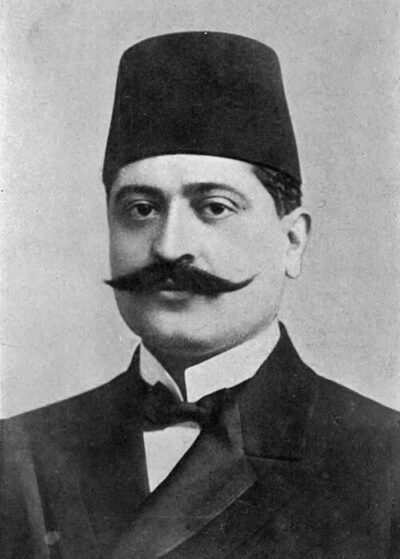 Talaat PaşaTurkish Ottoman politician (1874–1921)
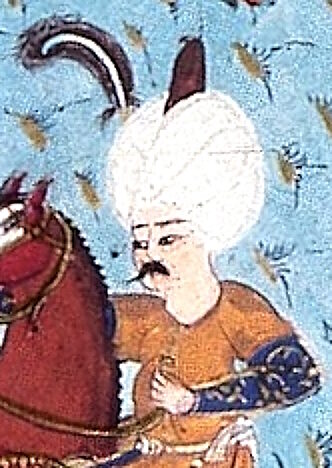 Pargalı Ibrahim Pasha29º Ottoman Grand Vizier (1493-1536)
 Sokollu Mehmed PaşaGrand Vizier of the Ottoman Empire (1505–1579)
 Kara Mustafa PaşaOttoman military leader and grand vizier (1634-1683)
 Midhat PashaOttoman grand vizier, reformist, and creator of the first Ottoman constitution (1822-1883)
 Ahmet Tevfik OkdayTurkish statesperson (1845–1936)
 Kara Ahmed PashaGrand Vizier of the Ottoman Empire
 Mehmed Emin Âli PaşaOttoman statesman and Grand Vizier (1815–1871)
 Mustafa Reşid PaşaOttoman diplomat (1800-1858)
 Mahmud Shevket Pasha212nd Grand Vizier of the Ottoman Empire (1856–1913)
 Said Halim PashaOttoman grand vizier (1865–1921)

