
Historical Right
Historical Right is a historical political faction in Italy. It was founded in 1849 by Camillo Benso di Cavour. Its headquarters are in Rome. It stands for classical liberalism, liberal conservatism and liberalism.
- Country
- Kingdom of Italy
- Founded
- 1849
- Ideology
- classical liberalism
All 15 facts, and where they come from
Facts
15 facts · 0 confirmed by two sources · 0 cited · 15 from one source
Where this comes from
Papalocal keeps its own record. It started from these sources; what each one said is kept here as it was copied, so a change on their side never changes this page by itself. Tap one to read its version.
What Wikidata says · copied November 17, 2026 · revision 2462252590
- Described as
- historical political faction in Italy
- Other names
- Liberal Constitutional Party
- What it is
- parliamentary group; political faction
- Followed by
- Liberal Union
- Founded
- 1849
- Ended
- 1912
- Founded by
- Camillo Benso di Cavour
- Headquarters
- Rome · 1 reference
- Country
- Kingdom of Italy; Kingdom of Sardinia
- Chair
- Camillo Benso di Cavour; Bettino Ricasoli · 1 reference
- Ideology
- classical liberalism; liberal conservatism; liberalism · 1 reference; conservatism · 1 reference
- Wikipedias with a page
- 9
Wikidata item Q2949884 (wikidata.org/wiki/Q2949884), public domain (CC0). Copied 2026-11-17.
What Wikipedia says · copied November 17, 2026 · revision 1352205632
The Right group (Italian: Destra), later called Historical Right (Italian: Destra storica) by historians to distinguish it from the right-wing groups of the 20th century, was an Italian conservative parliamentary group during the second half of the 19th century. After 1876, the Historical Right constituted the Constitutional opposition toward the left governments. It originated in the convergence of the most liberal faction of the moderate right and the moderate wing of the democratic left. The party included men from heterogeneous cultural, class, and ideological backgrounds, ranging from British-American individualist liberalism to Neo-Hegelian liberalism as well as liberal-conservatives, from strict secularists to more religiously-oriented reformists. Few prime ministers after 1852 were party men; instead they accepted support where they could find it, and even the governments of the Historical Right during the 1860s included leftists in some capacity.
The Right represented the interests of the Northern bourgeoisie and the Southern aristocracy. Its members were mostly large landowners, industrialists and people related to the military. On economic issues, the Right supported free trade and laissez-faire policies while on social issues it favoured a strong central government, obligatory conscription and during the Cavour era the secular Law of Guarantees, causing Pope Pius IX's Non Expedit policy of abstention. In foreign relations, their goal was the unification of Italy, primarily aiming for an alliance with the British Empire and the French Empire, but sometimes also with the German Empire against Austria-Hungary. In the last decades of its history, the Right was often referred to as Constitutional Opposition.
From the Wikipedia article “Historical Right” (en.wikipedia.org/wiki/Historical_Right), by its contributors, under CC BY-SA 4.0 (creativecommons.org/licenses/by-sa/4.0/). Copied 2026-11-17; not changed.
Confirmed Two sources agree. Cited One source, and it names where it got it. One source One source, without a reference of its own. Sources disagree The sources disagree. We show the best-supported value and keep theirs below.
People connected 21
Party members
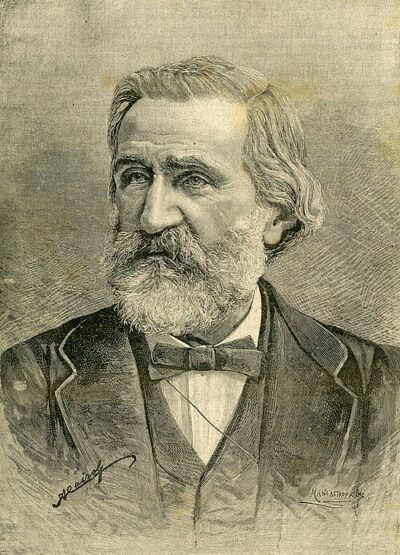 Giuseppe VerdiItalian opera composer (1813–1901)
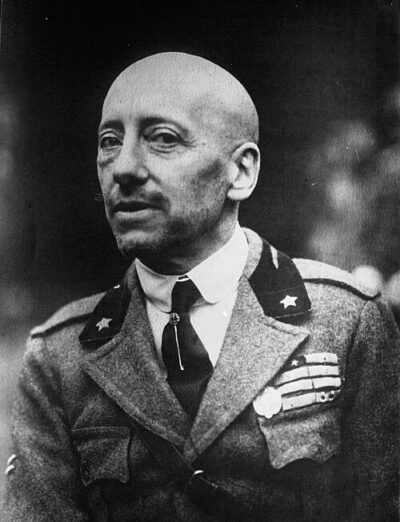 Gabriele D'AnnunzioItalian writer, poet, playwright, soldier and politician (1863-1938)
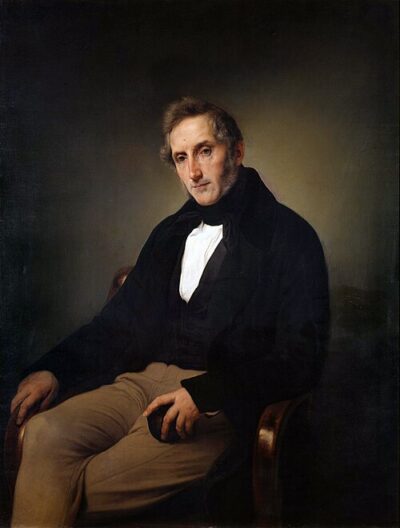 Alessandro ManzoniItalian writer and poet (1785–1873)
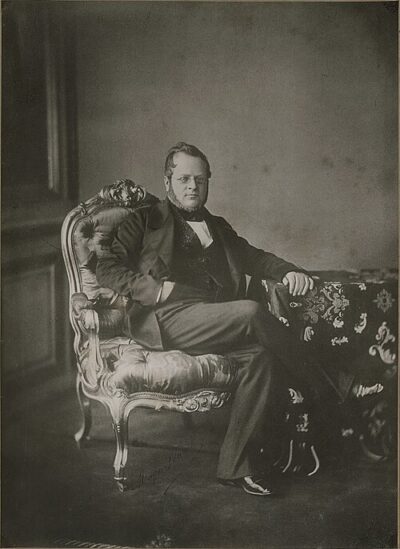 Camillo Benso di Cavourfirst Prime Minister of the Kingdom of Italy from March to June in 1861
 Bettino RicasoliItalian politician (1809–1880)
 Luigi FactaItalian politician (1861-1930)
 Antonio SalandraPrime Minister of Italy (1853-1931)
 Massimo d'AzeglioItalian statesman, novelist and painter (1798–1866)
 Sidney SonninoItalian politician (1847–1922)
 Alfonso La MarmoraItalian general and statesman (1804-1878)
 Paolo BoselliItalian politician (1838-1932)
 Luigi Federico MenabreaItalian politician, scientist, and general (1809–1896)
 Luigi Carlo FariniItalian historian and politician (1812-1866)
 Luigi LuzzattiItalian statesman and economist (1841-1927)
 Antonio Starabba di RudinìPrime Minister of Italy (1839-1908)
 Marco MinghettiItalian politician (1818–1886)
 Gaetano MoscaItalian political scientist and journalist (1858–1941)
 Giovanni LanzaItalian politician (1810–1882)
 Tommaso TittoniPrime Minister of Italy (1855-1931)
 Vincenzo GiobertiItalian philosopher and politician (1801-1852)
 Giovanni BerchetItalian poet
