
Hungarian Socialist Workers' Party
The Hungarian Socialist Workers' Party is a ruling political party in Hungary from 1956 to 1989. Its headquarters are in Budapest. It stands for Marxism–Leninism, scientific socialism and Goulash Communism.
- Country
- Hungarian People's Republic
- Founded
- October 31, 1956
- Ideology
- Marxism–Leninism
All 11 facts, and where they come from
Facts
11 facts · 0 confirmed by two sources · 0 cited · 11 from one source
Where this comes from
Papalocal keeps its own record. It started from these sources; what each one said is kept here as it was copied, so a change on their side never changes this page by itself. Tap one to read its version.
What Wikidata says · copied November 16, 2026 · revision 2568005981
- Described as
- ruling political party in Hungary from 1956 to 1989
- What it is
- political party; defunct political party
- Comes after
- Hungarian Working People's Party
- Followed by
- Hungarian Socialist Party
- Founded
- October 31, 1956
- Ended
- October 7, 1989
- Headquarters
- Budapest
- Country
- Hungarian People's Republic
- Ideology
- Marxism–Leninism; scientific socialism; Goulash Communism
- Wikipedias with a page
- 32
Wikidata item Q16412 (wikidata.org/wiki/Q16412), public domain (CC0). Copied 2026-11-16.
What Wikipedia says · copied November 16, 2026 · revision 1378441317
The Hungarian Socialist Workers' Party (Magyar Szocialista Munkáspárt, pronounced [ˈmɒɟɒr ˈsot͡sijɒliʃtɒ ˈmuŋkaːʃpaːrt], MSZMP) was the ruling Marxist–Leninist party of the Hungarian People's Republic between 1956 and 1989. It was organised from elements of the Hungarian Working People's Party during the Hungarian Revolution of 1956, with János Kádár as general secretary. The party also controlled its armed forces, the Hungarian People's Army.
Like all other Eastern Bloc parties, the MSZMP was organized on the basis of democratic centralism, a principle conceived by Vladimir Lenin that entails democratic and open discussion of issues within the party followed by the requirement of total unity in upholding the agreed policies. The highest body within the MSZMP was the party Congress, which convened every five years. When the Congress was not in session, the Central Committee of the MSZMP was the highest body. Because the Central Committee met twice a year, most day-to-day duties and responsibilities were vested in the Politburo. The party leader was the de facto chairman of the Politburo and a de facto chief executive of Hungary. At various points he served as the prime minister in addition to being party leader.
From the Wikipedia article “Hungarian Socialist Workers' Party” (en.wikipedia.org/wiki/Hungarian_Socialist_Workers'_Party), by its contributors, under CC BY-SA 4.0 (creativecommons.org/licenses/by-sa/4.0/). Copied 2026-11-16; not changed.
Confirmed Two sources agree. Cited One source, and it names where it got it. One source One source, without a reference of its own. Sources disagree The sources disagree. We show the best-supported value and keep theirs below.
People connected 5
Party members
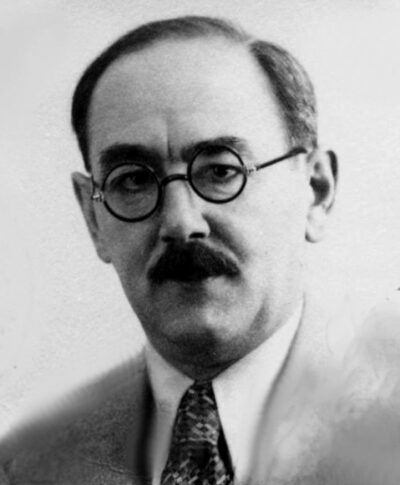 Imre Nagy (1956)Hungarian politician (1896-1958)
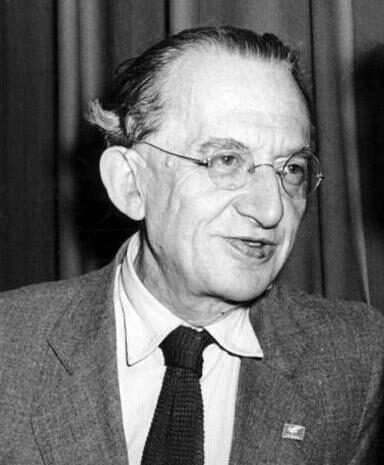 Georg LukácsHungarian marxist philosopher and literary critic (1885–1971)
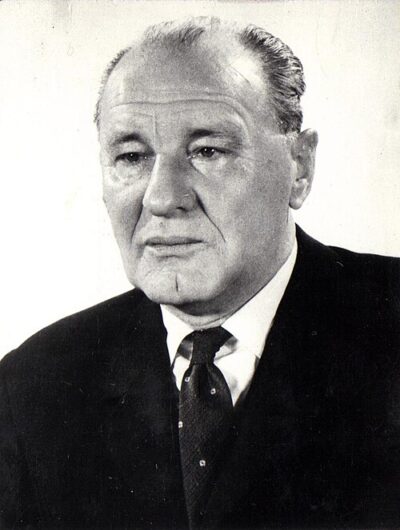 János Kádárformer General Secretary of the Hungarian Socialist Workers' Party
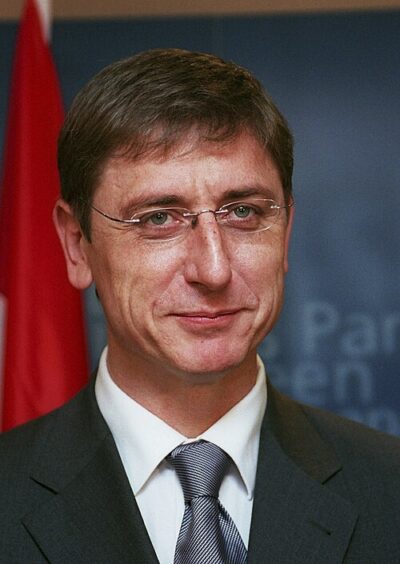 Ferenc Gyurcsány (1982–1989)Prime Minister of Hungary from 2004 to 2009
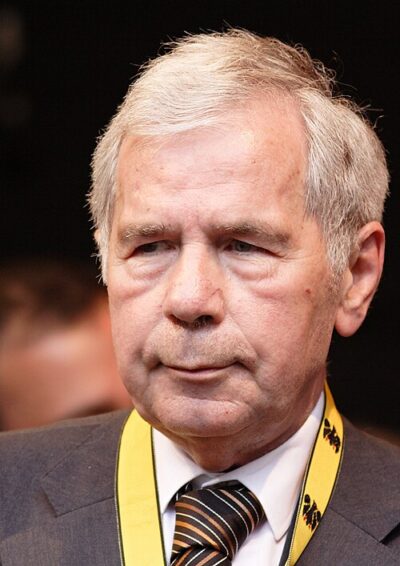 Gyula Horn (1956–1989)Hungarian politician (1932–2013)
