
James C. McGroddy Prize for New Materials
James C. McGroddy Prize for New Materials is an award of the American Physical Society. It was created in 1997.
- Given by
- American Physical Society
- Country
- United States
- Created
- 1997
All 6 facts, and where they come from
Facts
6 facts · 0 confirmed by two sources · 2 cited · 4 from one source
Where this comes from
Papalocal keeps its own record. It started from these sources; what each one said is kept here as it was copied, so a change on their side never changes this page by itself. Tap one to read its version.
What Wikidata says · copied November 16, 2026 · revision 2295070814
- Described as
- award of the American Physical Society
- What it is
- award
- Created
- 1997 · 1 reference
- Country
- United States
- Given by
- American Physical Society · 1 reference
- Named after
- James C. McGroddy
- Official website
- https://www.aps.org/programs/honors/prizes/mcgroddy.cfm
- Wikipedias with a page
- 7
Wikidata item Q6130765 (wikidata.org/wiki/Q6130765), public domain (CC0). Copied 2026-11-16.
What Wikipedia says · copied November 16, 2026 · revision 1338246125
The James C. McGroddy Prize for New Materials is a prize that has been awarded annually by the American Physical Society since 1975, but was only given that name following its endowment by IBM in 1999. Prior to that it was known as the International Prize for New Materials. The recipients are chosen for "Outstanding achievement in the science and application of new materials". The prize is named after James C. McGroddy, himself a winner of APS's George E. Pake Prize in 1995, and comes with a cash award of $10,000.
From the Wikipedia article “James C. McGroddy Prize” (en.wikipedia.org/wiki/James_C._McGroddy_Prize), by its contributors, under CC BY-SA 4.0 (creativecommons.org/licenses/by-sa/4.0/). Copied 2026-11-16; not changed.
Confirmed Two sources agree. Cited One source, and it names where it got it. One source One source, without a reference of its own. Sources disagree The sources disagree. We show the best-supported value and keep theirs below.
People connected 7
Won it
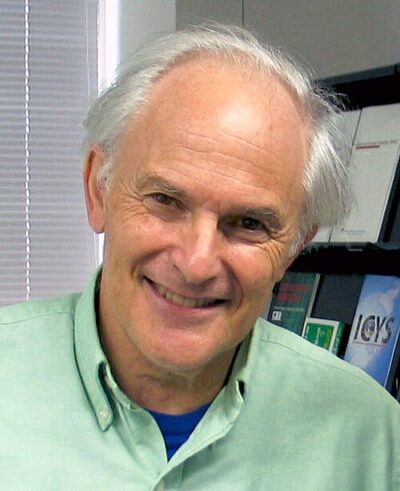 Harry Kroto (1992)British chemist (1939-2016)
 Richard Smalley (1992)American chemist (1943–2005)
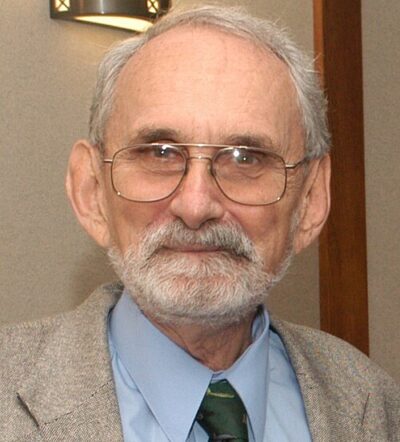 Robert Curl (1992)American chemist (1933–2022)
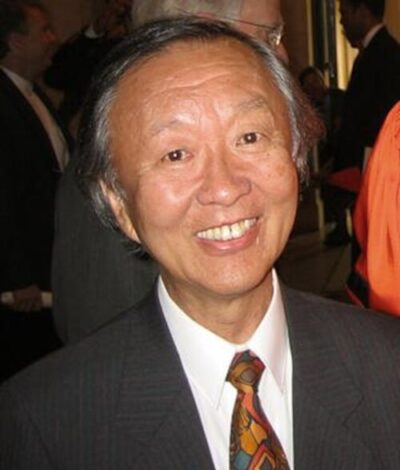 Charles K. Kao (1989)Hong Kong-British-American physicist
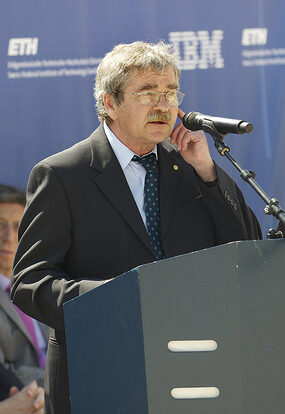 Georg Bednorz (1988)physicist
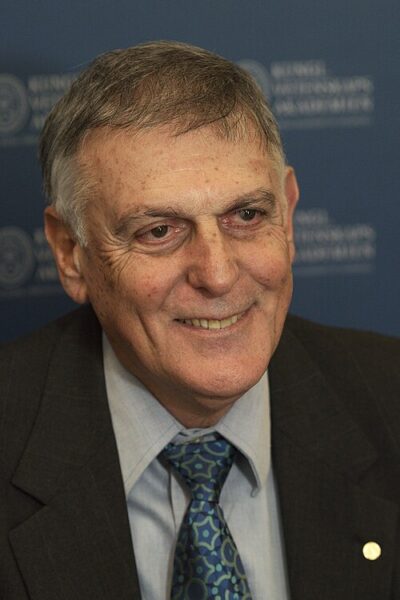 Dan Shechtman (1987)Israeli scientist
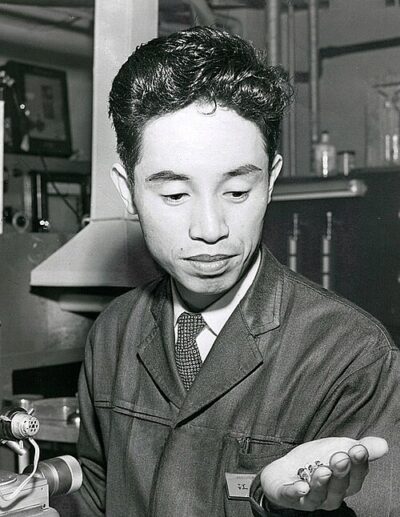 Leo Esaki (1985)Japanese physicist (1925-)
