
James Clerk Maxwell Prize for Plasma Physics
James Clerk Maxwell Prize for Plasma Physics is an American award for outstanding contributions to plasma physics (1975–). It is given by the American Physical Society.
- Given by
- American Physical Society
- Country
- United States
- Created
- 1975
All 8 facts, and where they come from
Facts
8 facts · 0 confirmed by two sources · 0 cited · 8 from one source
Where this comes from
Papalocal keeps its own record. It started from these sources; what each one said is kept here as it was copied, so a change on their side never changes this page by itself. Tap one to read its version.
What Wikidata says · copied November 17, 2026 · revision 2569432273
- Described as
- American award for outstanding contributions to plasma physics (1975–)
- Other names
- James Clerk Maxwell Prize, Maxwell Prize for Plasma Physics
- What it is
- science award; physics award; award
- Created
- 1975
- Country
- United States
- Given by
- American Physical Society
- Named after
- James Clerk Maxwell
- Official website
- https://www.aps.org/programs/honors/prizes/maxwell.cfm
- Wikipedias with a page
- 8
Wikidata item Q1520638 (wikidata.org/wiki/Q1520638), public domain (CC0). Copied 2026-11-17.
What Wikipedia says · copied November 17, 2026 · revision 1358059297
The James Clerk Maxwell Prize for Plasma Physics is an annual American Physical Society (APS) award that is given in recognition of outstanding contributions to the field of plasma physics. It was established in 1975 by Maxwell Technologies, in honor of the Scottish physicist James Clerk Maxwell. It is currently sponsored by General Atomics. The prize includes a $10,000 USD monetary award and recognition at the annual American Physical Society Division of Plasma Physics conference.
From the Wikipedia article “James Clerk Maxwell Prize for Plasma Physics” (en.wikipedia.org/wiki/James_Clerk_Maxwell_Prize_for_Plasma_Physics), by its contributors, under CC BY-SA 4.0 (creativecommons.org/licenses/by-sa/4.0/). Copied 2026-11-17; not changed.
Confirmed Two sources agree. Cited One source, and it names where it got it. One source One source, without a reference of its own. Sources disagree The sources disagree. We show the best-supported value and keep theirs below.
People connected 5
Won it
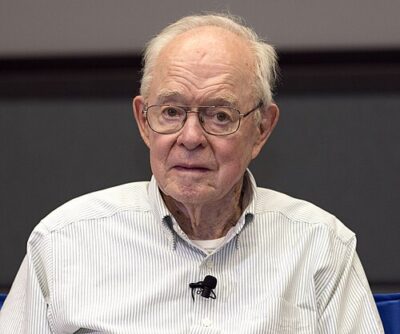 Eugene Parker (2003)American astronomer (1927–2022)
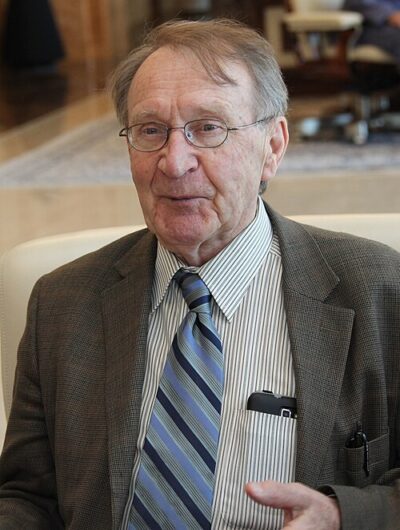 Roald Sagdeev (2001)Russian physicist (born 1932)
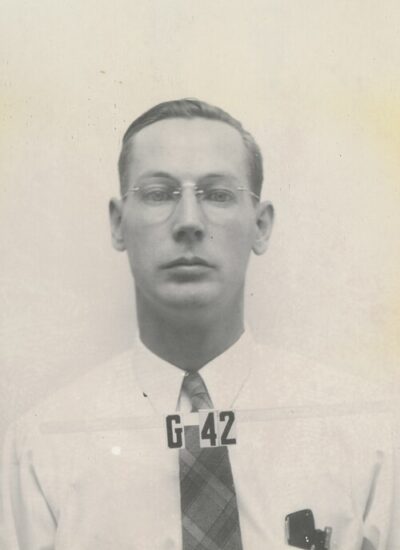 Donald William Kerst (1984)American accelerator physicist who developed the betatron (1911–1993)
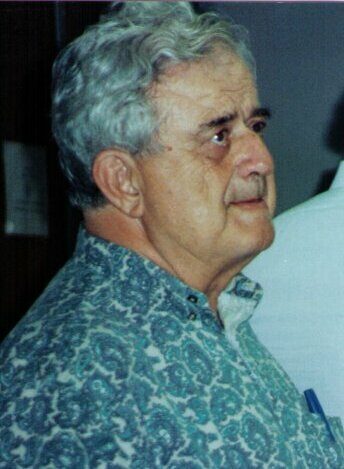 Marshall Rosenbluth (1976)American nuclear physicist (1927–2003)
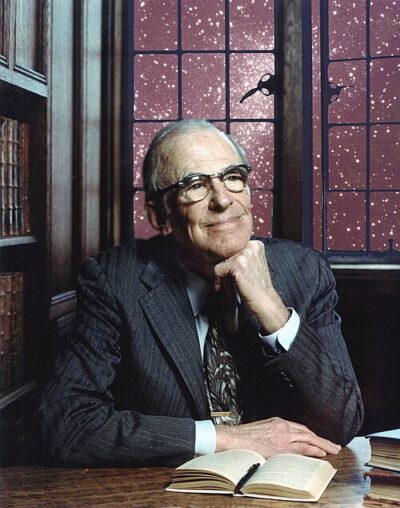 Lyman Spitzer (1975)American astronomer (1914–1997)
