
Know Nothing Party
The Know Nothing Party is an American political movement and party in the 19th century with anti-catholic tendency. It was founded in 1845. Its headquarters are in New York City. It stands for republicanism, nativism and anti-Catholicism.
- Country
- United States
- Founded
- 1845
- Ideology
- republicanism
All 10 facts, and where they come from
Facts
10 facts · 0 confirmed by two sources · 0 cited · 10 from one source
Where this comes from
Papalocal keeps its own record. It started from these sources; what each one said is kept here as it was copied, so a change on their side never changes this page by itself. Tap one to read its version.
What Wikidata says · copied November 16, 2026 · revision 2550006790
- Described as
- American political movement and party in the 19th century with anti-catholic tendency
- Other names
- Know Nothings, American Party, American Republican Party, Native American Party, Know-Nothing Party
- What it is
- political party
- Comes after
- Whig Party
- Founded
- 1845
- Ended
- 1860
- Headquarters
- New York City
- Country
- United States
- Ideology
- republicanism; nativism; anti-Catholicism; right-wing populism
- Wikipedias with a page
- 30
Wikidata item Q550678 (wikidata.org/wiki/Q550678), public domain (CC0). Copied 2026-11-16.
What Wikipedia says · copied November 16, 2026 · revision 1385406843
The American Party, known as the Native American Party before 1855 and colloquially referred to as the Know Nothing, Know-Nothings, or the Know Nothing Party, was an Old Stock nativist political movement in the United States from the 1840s through the 1850s. Members of the movement were required to say "I know nothing" whenever they were asked about its specifics by outsiders, providing the group with its colloquial name.
Supporters of the Know Nothing movement believed that an alleged "Romanist" conspiracy to subvert civil and religious liberty in the U.S. was being hatched by Catholics. Therefore, they sought to politically organize native-born Protestants in defense of their traditional religious and political values. The Know Nothing movement is remembered for this theme because Protestants feared that Catholic priests and bishops would control a large bloc of voters. In most places, the ideology and influence of the Know Nothing movement lasted only one or two years before it disintegrated due to weak and inexperienced local leaders, a lack of publicly proclaimed national leaders, and a deep split over the issue of slavery. In parts of the South, the party did not emphasize anti-Catholicism as frequently as it emphasized it in the North and it stressed a neutral position on slavery, but it became the main alternative to the dominant Democratic Party.
The Know Nothings supplemented their xenophobic nativist views with populist appeals. At the state level, the party was, in some cases, progressive in its stances on "issues of labor rights and the need for more government spending" and furnished "support for an expansion of the rights of women, the regulation of industry, and support of measures which were designed to improve the status of working people". It was a forerunner of the temperance movement in the U.S.The Know Nothing movement briefly emerged as a major political party in the form of the American Party. The collapse of the Whig Party after the passage of the Kansas–Nebraska Act left an opening for the emergence of a new major political party in opposition to the Democratic Party. The Know Nothing movement managed to elect congressman Nathaniel P. Banks of Massachusetts and several other individuals into office in the 1854 elections, and it subsequently coalesced into a new political party which was known as the American Party. Particularly in the South, the American Party served as a vehicle for politicians who opposed the Democrats. Many of the American Party's members and supporters also hoped that it would stake out a middle ground between the pro-slavery positions of Democratic politicians and the radical anti-slavery positions of the rapidly emerging Republican Party. The American Party nominated former president Millard Fillmore in the 1856 presidential election, but he kept quiet about his membership in it and he personally refrained from supporting the Know Nothing movement's activities and ideology. Fillmore received 21.5% of the popular vote in the 1856 presidential election, finishing behind the Democratic and Republican nominees. Henry Winter Davis, an active Know-Nothing, was elected on the American Party ticket to Congress from Maryland. He told Congress that "un-American" Irish Catholic immigrants were to blame for the recent election of Democrat James Buchanan as president, stating: The recent election has developed in an aggravated form every evil against which the American party protested. Foreign allies have decided the government of the country – men naturalized in thousands on the eve of the election. Again in the fierce struggle for supremacy, men have forgotten the ban which the Republic puts on the intrusion of religious influence on the political arena. These influences have brought vast multitudes of foreign-born citizens to the polls, ignorant of American interests, without American feelings, influenced by foreign sympathies, to vote on American affairs; and those votes have, in point of fact, accomplished the present result.
The party entered a period of rapid decline after Fillmore's loss. In 1857 the Dred Scott v. Sandford pro-slavery decision of the U.S. Supreme Court further galvanized opposition to slavery in the North, causing many former Know Nothings to join the Republicans. The remnants of the American Party largely joined the Constitutional Union Party in 1860 and they disappeared during the American Civil War.
From the Wikipedia article “Know Nothing” (en.wikipedia.org/wiki/Know_Nothing), by its contributors, under CC BY-SA 4.0 (creativecommons.org/licenses/by-sa/4.0/). Copied 2026-11-16; not changed.
Confirmed Two sources agree. Cited One source, and it names where it got it. One source One source, without a reference of its own. Sources disagree The sources disagree. We show the best-supported value and keep theirs below.
People connected 5
Party members
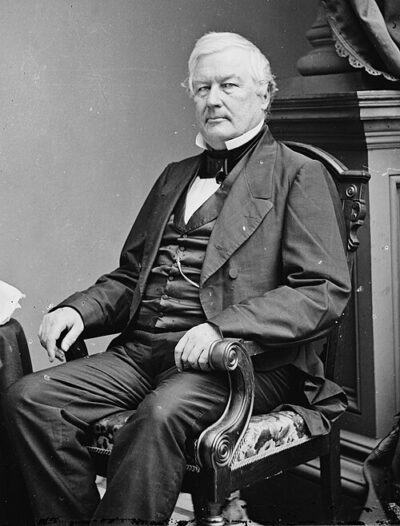 Millard Fillmorepresident of the United States from 1850 to 1853
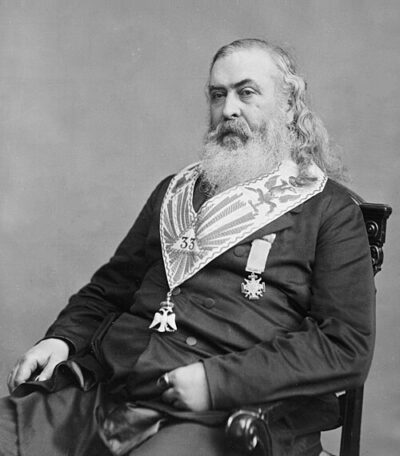 Albert PikeAmerican author, poet, orator, editor, lawyer, jurist and Confederate States Army general Associate justice of the Arkansas Supreme Court, Freemason (1809–1891)
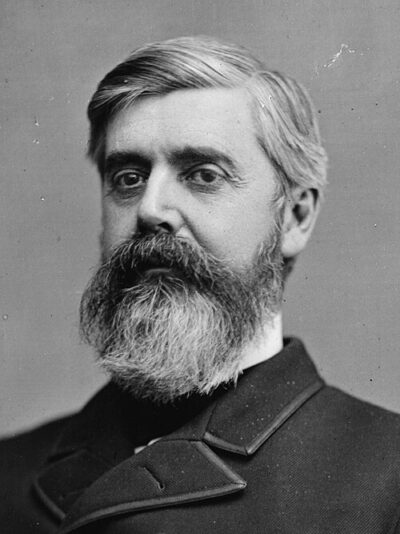 Walter Quintin Gresham (1855)US Secretary of State, Secretary of the Treasury, Union Army general (1832-1895)
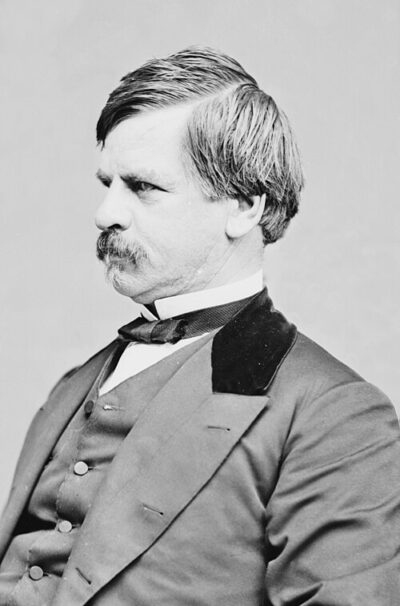 Nathaniel P. BanksAmerican politician of Massachusetts and general of the Union Army (1816-1894)
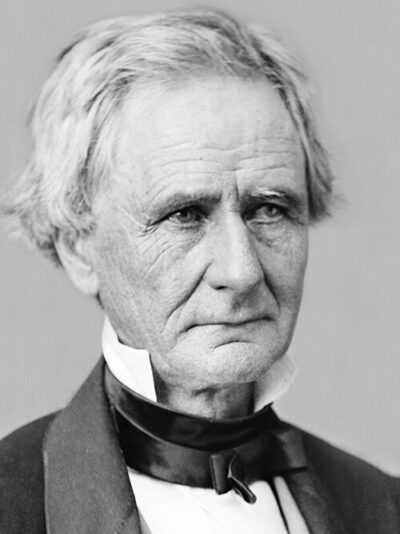 Simon Cameron (1849–1856)American businessman and politician (1799–1889)
