

Ku Klux Klan
Ku Klux Klan is an American white supremacist hate group. It was founded in 1865 by Nathan Bedford Forrest. It stands for white nationalism, Christian terrorism and nativism.
- Founded
- 1865
- Founded by
- Nathan Bedford Forrest
All 11 facts, and where they come from
Facts
11 facts · 0 confirmed by two sources · 0 cited · 11 from one source
Where this comes from
Papalocal keeps its own record. It started from these sources; what each one said is kept here as it was copied, so a change on their side never changes this page by itself. Tap one to read its version.
What Wikidata says · copied November 16, 2026 · revision 2554765151
- Described as
- American white supremacist hate group
- Other names
- Klan, The Ku Klux Klan, KKK, Ku-Kluks-Klan
- What it is
- political organization; hate group; terrorist organization
- Followed by
- Knights of the Ku Klux Klan
- Founded
- 1865
- Founded by
- Nathan Bedford Forrest
- Field
- right-wing terrorism · 1 reference
- Ideology
- white nationalism; Christian terrorism; nativism; anti-Catholicism
- Wikipedias with a page
- 99
Wikidata item Q47131 (wikidata.org/wiki/Q47131), public domain (CC0). Copied 2026-11-16.
What Wikipedia says · copied November 16, 2026 · revision 1385976409
The Ku Klux Klan (KKK), also known as "The Klan", is an American far-right hate group. It has emerged in three major waves throughout its history. The ideologies of various Klan offshoots have differed, but mostly share beliefs of White supremacy, anti-Black racism, and racial segregation. Its tactics have included intimidation, violence, and bombings to achieve specific aims such as suppressing black voters, weakening emerging civil rights movements, and maintaining a racial hierarchy with White Protestants at the top. The klan has operated through a decentralized network of multiple small, autonomous, and affiliated organizations since the 1950s–1960s civil rights era.
The first Klan emerged during Reconstruction, founded by former Confederate soldiers who opposed federal efforts to extend civil and political rights to formerly enslaved people. It carried out widespread violence against black voters, officeholders, and their white allies in an effort to undermine Republican state governments and restore white Democratic control in the South. Federal Enforcement Acts and prosecutions beginning in 1871 significantly weakened this iteration. A second Klan, founded in 1915 and reaching its peak in the 1920s, expanded beyond the South and attracted millions of members from segments of the native-born white Protestant population. It promoted nativism, racial segregation, and "100 percent Americanism" in hostile opposition to Catholicism among others, and engaged in intimidation and, at times, mob violence. A third wave arose in the mid-20th century in response to the civil rights movement; although smaller, it included groups that carried out acts of racial terror aimed at resisting desegregation and racial equality.
Despite differences in size and structure, all iterations shared core ideological elements, including white supremacy, racial segregation, and hostility toward perceived outsiders. Over time, Klan groups espoused positions associated with white nationalism, anti-immigration nativism, antisemitism, anti-Catholicism, anti-atheism, anti-communism, homophobia, Islamophobia, and opposition to civil rights reforms. Some members framed their activities as defending "Americanism" and Christian morality, and certain local chapters sought social respectability through parades, charitable events, and political organizing. Despite being Protestant-led, major Protestant bodies have formally condemned the Klan's ideology and methods as incompatible with its theology.
The Klan is widely viewed as a violent extremist movement that contributed to systematic racial oppression and domestic terrorism. Modern scholarship has documented its extensive use of intimidation, lynching, and political violence, emphasizing its long-term impact on American history. Earlier supporters offered alternative interpretations, portraying the Klan as a patriotic or law-and-order organization responding to social or political upheaval. They cited agreement with its racial policies, approval of its fraternal or charitable activities, and the belief that it upheld "law and public morality." Historians generally contrast these justifications with extensive records of Klan violence and coercion, highlighting the gap between the organization's self‑presentation and its documented actions.
From the Wikipedia article “Ku Klux Klan” (en.wikipedia.org/wiki/Ku_Klux_Klan), by its contributors, under CC BY-SA 4.0 (creativecommons.org/licenses/by-sa/4.0/). Copied 2026-11-16; not changed.
Confirmed Two sources agree. Cited One source, and it names where it got it. One source One source, without a reference of its own. Sources disagree The sources disagree. We show the best-supported value and keep theirs below.
Picture: Wikimedia Commons: Ku Klux Klan Virginia 1922 Parade.jpg · See Commons file page
People connected 7
Members
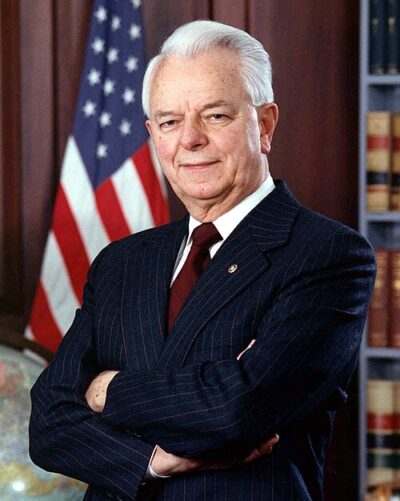 Robert ByrdAmerican politician (1917–2010)
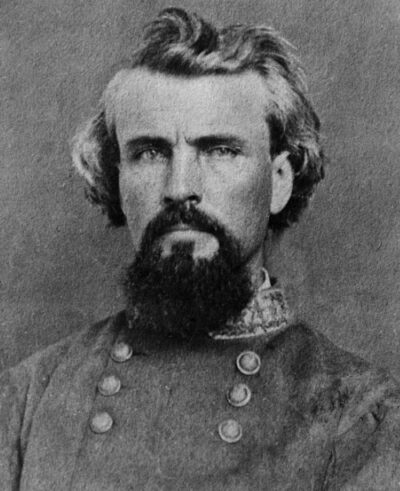 Nathan Bedford ForrestConfederate States Army general (1821–1877)
 David Eden LaneAmerican white supremacist
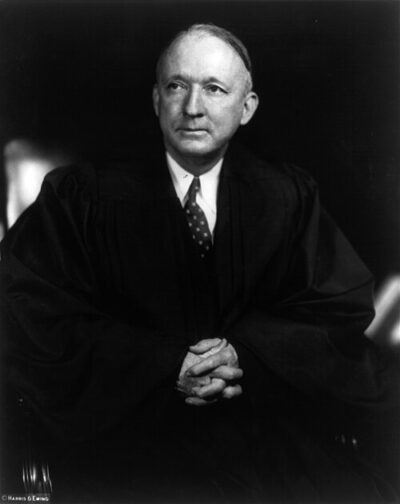 Hugo BlackU.S. Supreme Court justice (1886-1971)
- JJoseph Paul FranklinAmerican serial killer (1950-2013)
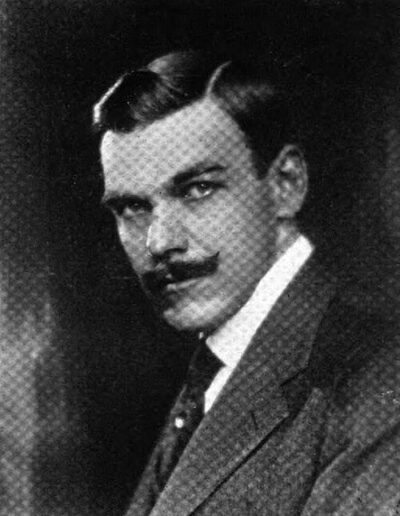 Lothrop StoddardAmerican white-supremacist historian, political scientist, journalist (1883–1950)
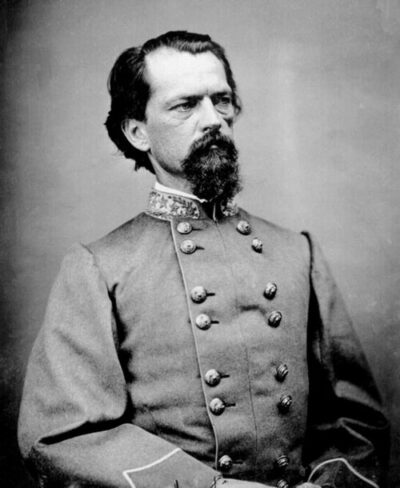 John B. GordonAmerican politician (1832-1904)
