
Liberal Party of Australia
Liberal Party of Australia is an Australian political party. It was founded in 1945 by Robert Menzies. Its headquarters are in Canberra. It stands for conservatism, liberalism and liberal conservatism.
- Country
- Australia
- Founded
- August 31, 1945
- Ideology
- conservatism
- Chair
- Angus Taylor (2026–)
All 12 facts, and where they come from
Facts
12 facts · 0 confirmed by two sources · 1 cited · 11 from one source
Where this comes from
Papalocal keeps its own record. It started from these sources; what each one said is kept here as it was copied, so a change on their side never changes this page by itself. Tap one to read its version.
What Wikidata says · copied November 16, 2026 · revision 2557604664
- Described as
- Australian political party
- Other names
- Lib, LP
- What it is
- political party
- Comes after
- United Australia Party
- Founded
- August 31, 1945
- Founded by
- Robert Menzies
- Headquarters
- Canberra
- Country
- Australia
- Chair
- Tony Abbott (2009–2015); Malcolm Turnbull (2015–2018)
- Ideology
- conservatism; liberalism; liberal conservatism
- Official website
- https://www.liberal.org.au/
- Wikipedias with a page
- 52
Wikidata item Q241149 (wikidata.org/wiki/Q241149), public domain (CC0). Copied 2026-11-16.
What Wikipedia says · copied November 16, 2026 · revision 1385963712
The Liberal Party of Australia is the major conservative and centre-right to right-wing political party in Australia. Historically the most electorally successful party in Australia, it was founded in 1944 by Robert Menzies to act as the successor to the United Australia Party. It is part of the Liberal–National Coalition—one of the two major groupings in Australian politics—with its main rival being the Labor Party.
The Liberal Party is the senior partner in a conservative alliance known in Australian politics as the Liberal–National Coalition, accompanied by the regional-based National Party, which is typically focused on issues pertinent to regional Australia. When in government, the party leader is the prime minister, with the leader of the National Party traditionally serving as deputy prime minister. The party's current leader is Angus Taylor. As leader of the Liberal Party, Taylor is also the leader of the Opposition. A leading member of the party's National Right faction, he was elected leader in 2026. Two past leaders of the party, Robert Menzies and John Howard, are Australia's two longest-serving Prime Ministers.
The Liberal Party has a federal structure, with autonomous divisions in all six states and the Australian Capital Territory (ACT). The Country Liberal Party (CLP) of the Northern Territory is an affiliate. Both the CLP and the Liberal National Party (LNP) of Queensland were formed through mergers of the local Liberal and National parties. At the state and territory level, the Liberal Party is in office in two states (Queensland and Tasmania) and one territory (Northern Territory). The party is in opposition in the states of New South Wales, Victoria, South Australia, and Western Australia, and in the ACT.
The party's ideology has been referred to as liberal, conservative, liberal-conservative, conservative-liberal, and classical liberal. The Liberal Party tends to promote economic liberalism and social conservatism. The Moderate faction has been referred to as centrist, while the National Right faction has also been referred to as right-wing and right-wing populist.
From the Wikipedia article “Liberal Party of Australia” (en.wikipedia.org/wiki/Liberal_Party_of_Australia), by its contributors, under CC BY-SA 4.0 (creativecommons.org/licenses/by-sa/4.0/). Copied 2026-11-16; not changed.
Confirmed Two sources agree. Cited One source, and it names where it got it. One source One source, without a reference of its own. Sources disagree The sources disagree. We show the best-supported value and keep theirs below.
People connected 15
Party members
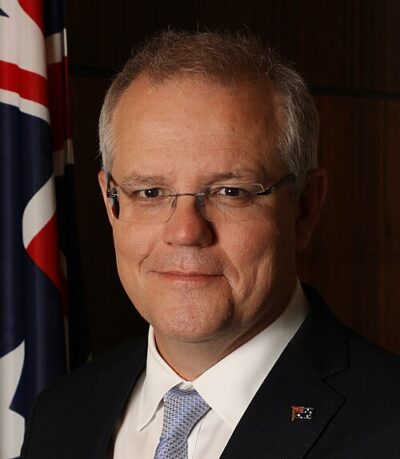 Scott MorrisonPrime Minister of Australia from 2018 to 2022
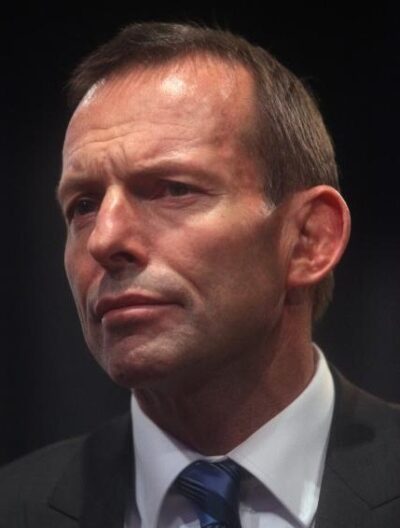 Tony AbbottPrime Minister of Australia from 2013 to 2015
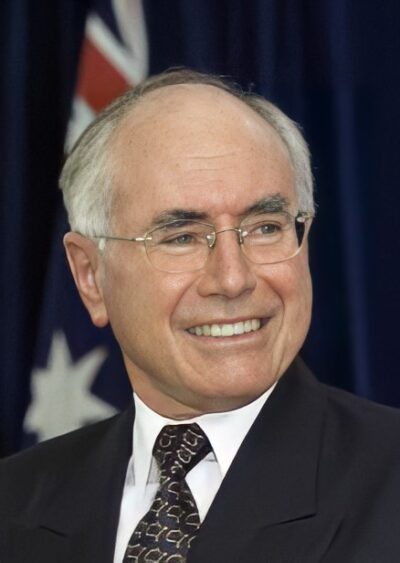 John Howard (1957–)Prime Minister of Australia from 1996 to 2007
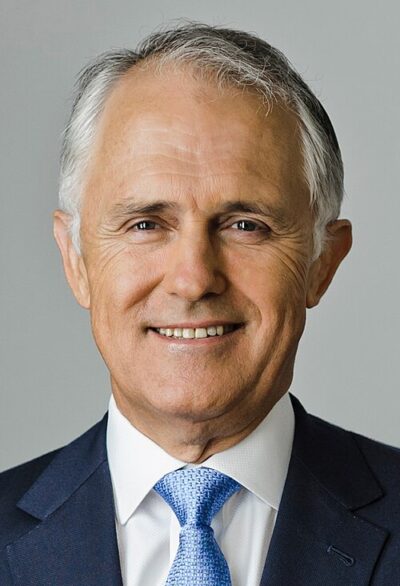 Malcolm TurnbullPrime Minister of Australia from 2015 to 2018
 Natalie ImbrugliaAustralian-British singer and actress
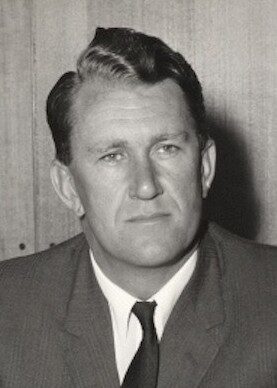 Malcolm Fraser (1954–2009)Australian politician, 22nd Prime Minister of Australia (1930-2015)
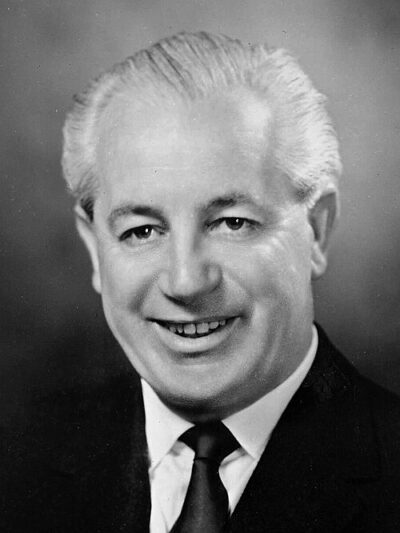 Harold HoltAustralian politician, 17th Prime Minister of Australia (1908-1967)
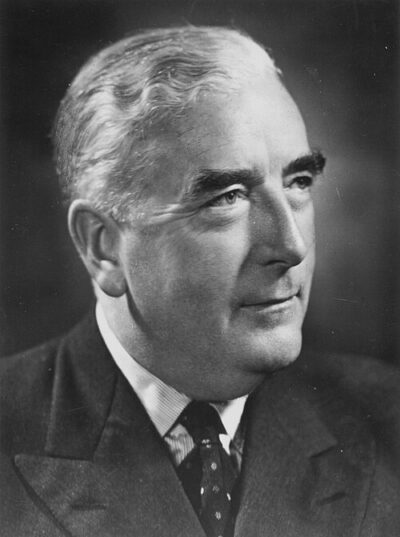 Robert MenziesAustralian politician, 12th Prime Minister of Australia (1894-1978)
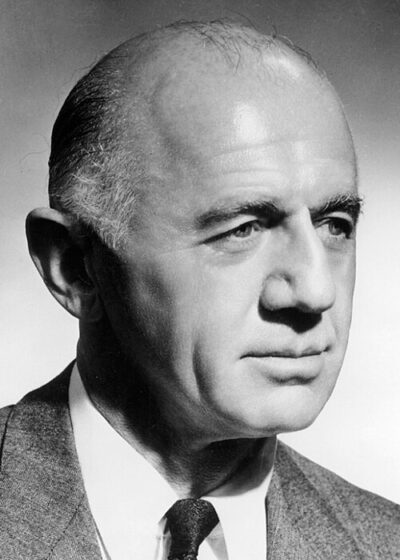 William McMahonAustralian politician, 20th Prime Minister of Australia (1908–1988)
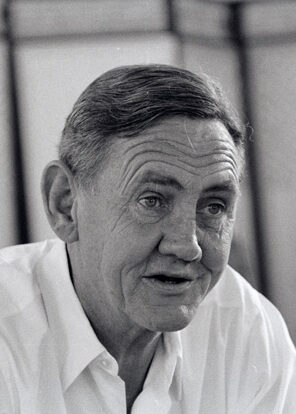 John GortonAustralian politician, 19th Prime Minister of Australia (1911–2002)
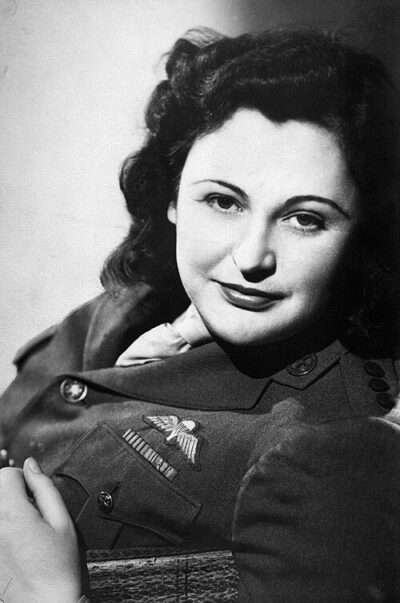 Nancy WakeNew Zealander and Australian war heroine
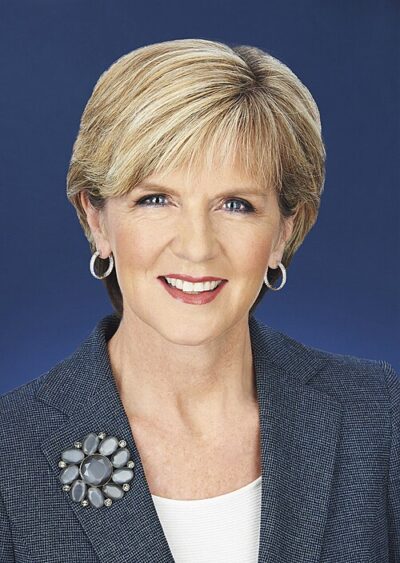 Julie BishopAustralian politician
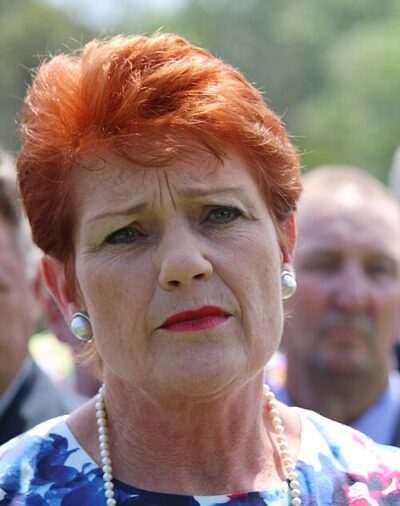 Pauline Hanson (–1996)Australian politician (born 1954)
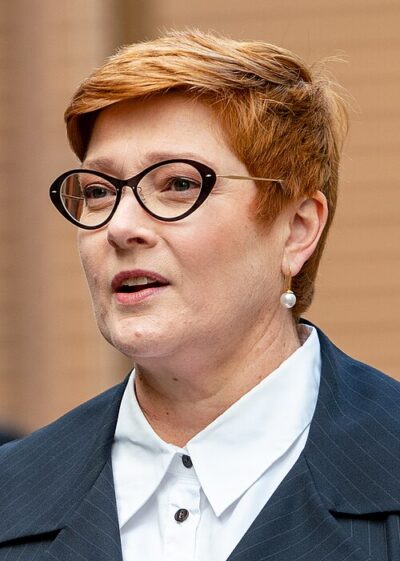 Marise PayneAustralian politician
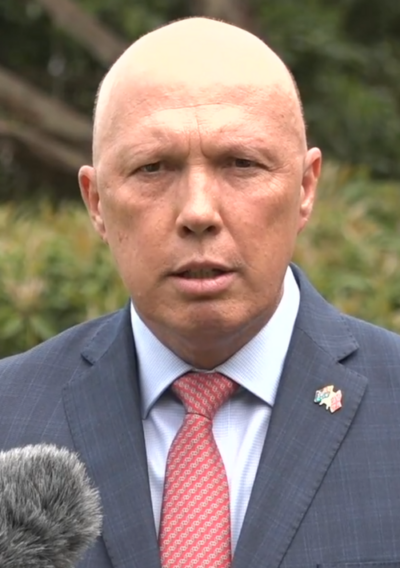 Peter DuttonAustralian former politician (born 1970)
