
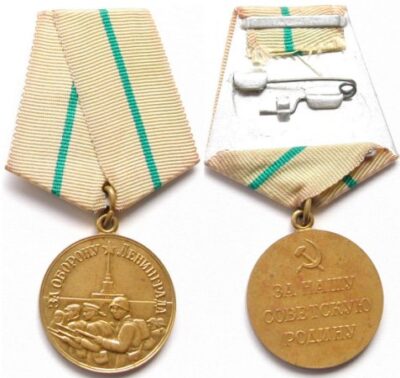
Medal "For the Defence of Leningrad"
Medal "For the Defence of Leningrad" is a military decoration of the Soviet Union (1942-?).
- Country
- Soviet Union
- Created
- December 22, 1942
All 3 facts, and where they come from
Facts
3 facts · 0 confirmed by two sources · 0 cited · 3 from one source
Where this comes from
Papalocal keeps its own record. It started from these sources; what each one said is kept here as it was copied, so a change on their side never changes this page by itself. Tap one to read its version.
What Wikidata says · copied November 17, 2026 · revision 2538975735
- Described as
- military decoration of the Soviet Union (1942-?)
- Other names
- Medal "Za oboronu Leningrada"
- What it is
- campaign medal · 1 reference
- Created
- December 22, 1942 · 2 references
- Country
- Soviet Union
- Wikipedias with a page
- 30
Wikidata item Q924450 (wikidata.org/wiki/Q924450), public domain (CC0). Copied 2026-11-17.
What Wikipedia says · copied November 17, 2026 · revision 1386209562
The Medal "For the Defence of Leningrad" (Russian: Медаль «За оборону Ленинграда») was a World War II campaign medal of the Soviet Union established on December 22, 1942 by decree of the Presidium of the Supreme Soviet of the USSR to recognise the valour and hard work of the Soviet civilian and military defenders of Leningrad during the 872-day siege of the city by the German armed forces between September 8, 1941 and January 27, 1944. The medal's statute was later amended by Resolution of the Presidium of the Supreme Soviet on March 8, 1945. and again one last time on July 18, 1980 by decree of the Presidium of the Supreme Soviet of the USSR № 2523-X.
From the Wikipedia article “Medal "For the Defence of Leningrad"” (en.wikipedia.org/wiki/Medal_"For_the_Defence_of_Leningrad"), by its contributors, under CC BY-SA 4.0 (creativecommons.org/licenses/by-sa/4.0/). Copied 2026-11-17; not changed.
Confirmed Two sources agree. Cited One source, and it names where it got it. One source One source, without a reference of its own. Sources disagree The sources disagree. We show the best-supported value and keep theirs below.
Picture: Grzegorz Chladek, via Wikimedia Commons · CC BY-SA 2.5
People connected 55
Won it 55
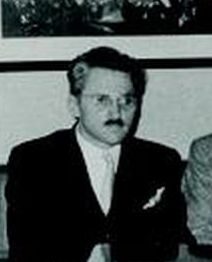 Aleksandr Aleksandrov (1945)Russian mathematician (1912–1999)
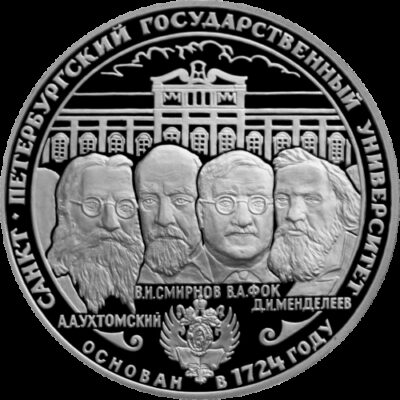 Vladimir Fock (1944)Russian physicist (1898-1974)
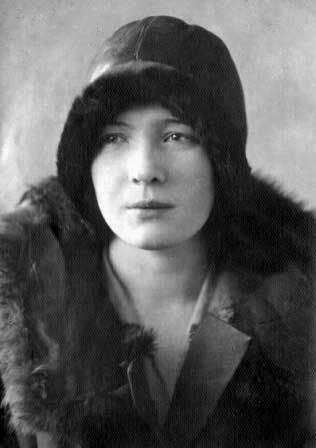 Olga Bergholz (1943)Soviet poet
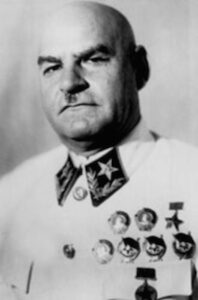 Grigory Kulik (1943)Marshal of the Soviet Union (1890–1950)
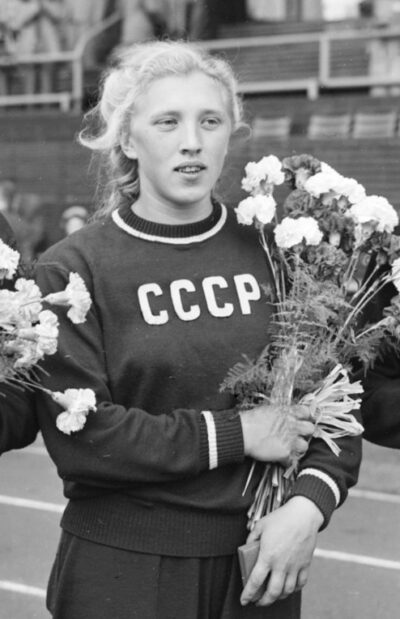 Galina Zybina (1943)Russian shot-putter, javelin thrower, and coach (1931–2024)
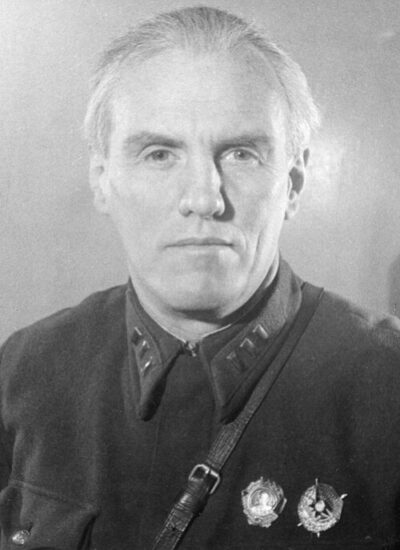 Nikolai Tikhonov (1943)Soviet writer (1896–1979)
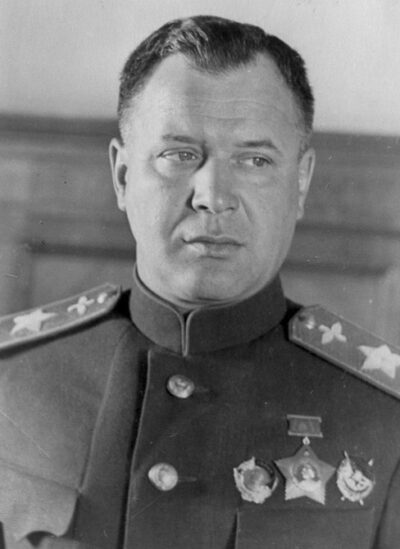 Aleksandr Novikov (1942)Soviet marshal of aviation
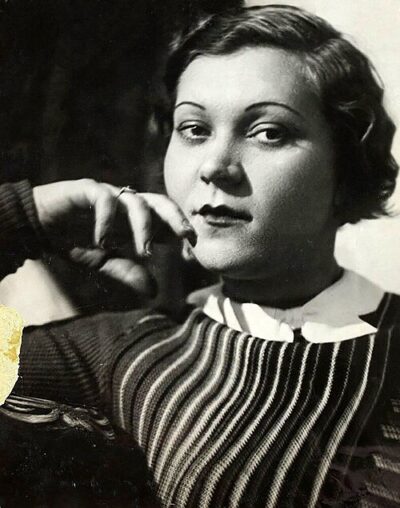 Klavdiya Shulzhenko (1942)Ukrainian singer (1906-1984)
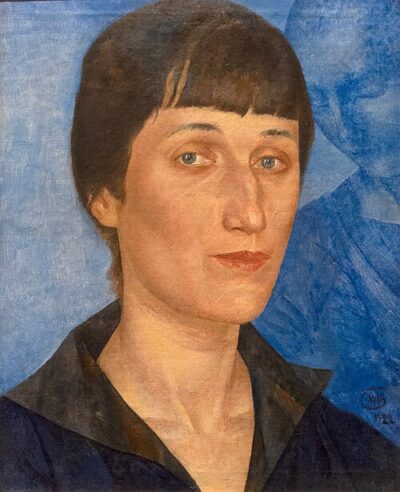 Anna AkhmatovaRussian poet (1889–1966)
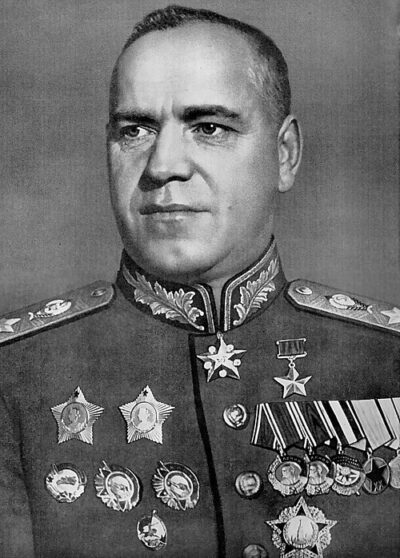 Georgy ZhukovMarshal of the Soviet Union (1896-1974)
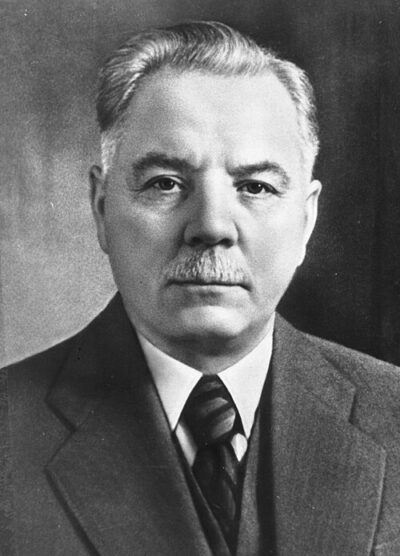 Kliment VoroshilovSoviet marshal and politician
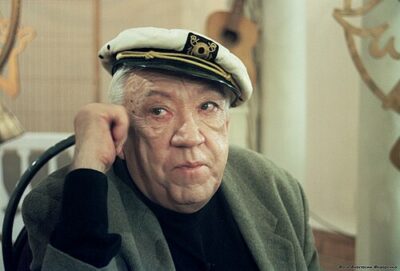 Yuri NikulinSoviet and Russian actor and clown (1921-1997)
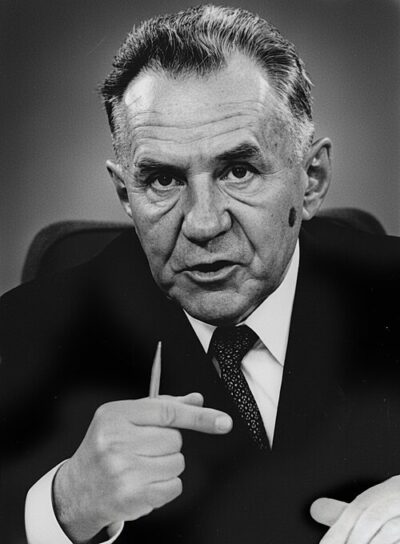 Aleksey Nikolayevich KosyginSoviet statesman, public officer, cabinet officer
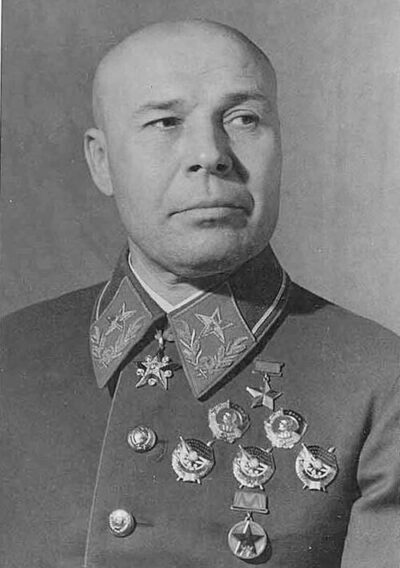 Semyon TimoshenkoSoviet military commander (1895-1970)
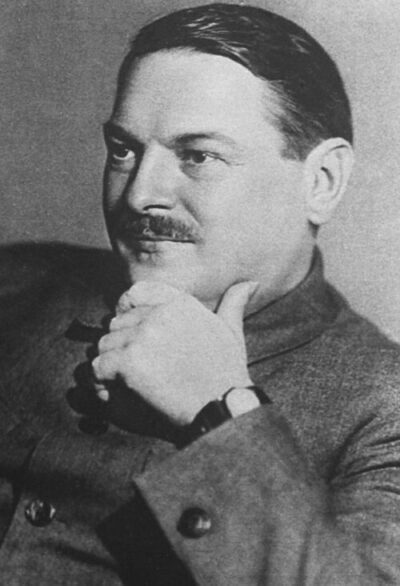 Andrej Aleksandroviç ZhdanovSoviet politician (1896-1948)
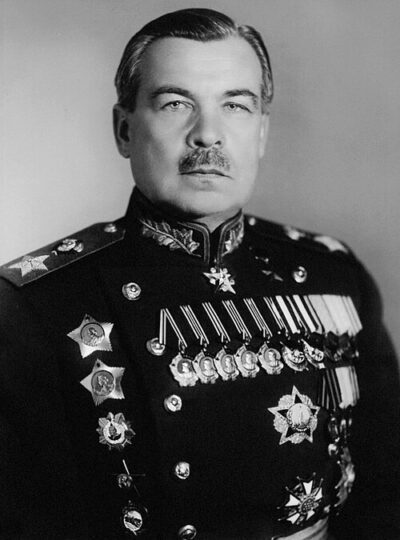 Leonid GovorovSoviet marshal (1897–1955)
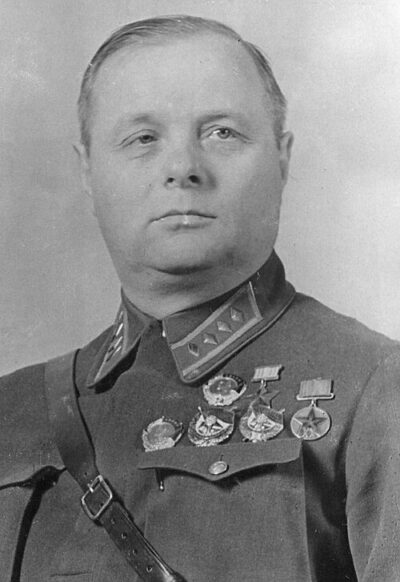 Kirill MeretskovSoviet marshal (1897–1968)
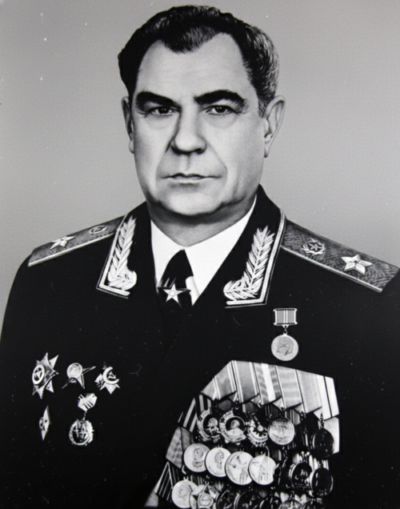 Dmitry YazovSoviet minister of defence (1924-2020)
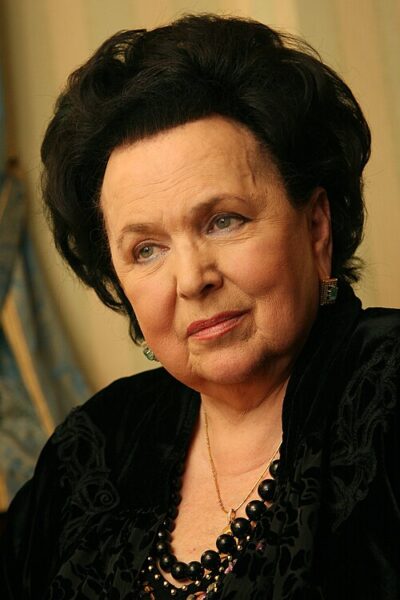 Galina VishnevskayaRussian soprano opera singer and recitalist (1926—2012)
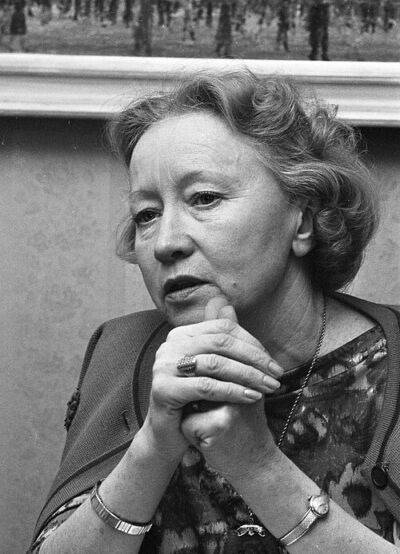 Galina UlanovaSoviet ballet dancer (1910-1998)
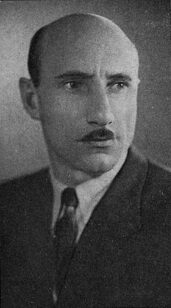 Sergei GerasimovSoviet film director, screenwriter, actor (1906-1985)
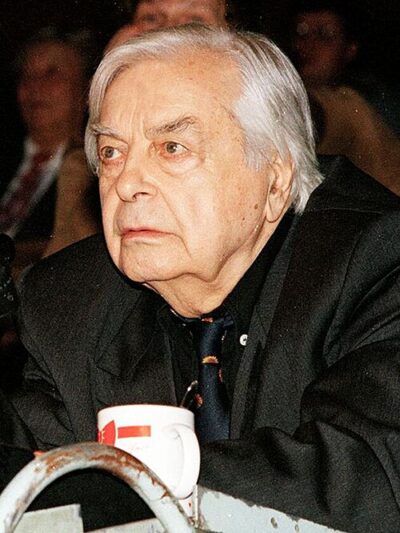 Yury LyubimovSoviet and Russian theatre director, actor (1917-2014)
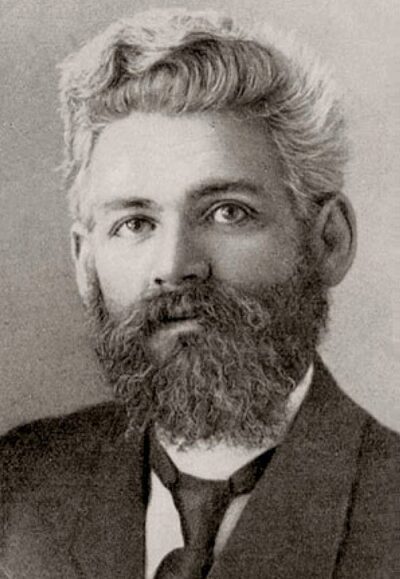 Lev BergRussian and Soviet geographer, biologist and ichthyologist (1876–1950)
- AAnatoly RybakovSoviet and Russian writer (1911–1998)
and 31 more
