

NASA Astronaut Group 3
NASA Astronaut Group 3 is a group of astronauts selected in 1963.
All 3 facts, and where they come from
Facts
3 facts · 0 confirmed by two sources · 0 cited · 3 from one source
Where this comes from
Papalocal keeps its own record. It started from these sources; what each one said is kept here as it was copied, so a change on their side never changes this page by itself. Tap one to read its version.
What Wikidata says · copied November 16, 2026 · revision 2445523621
- Described as
- group of astronauts selected in 1963
- What it is
- group of humans
- Comes after
- NASA Astronaut Group 2
- Followed by
- NASA Astronaut Group 4
- Wikipedias with a page
- 13
Wikidata item Q2408073 (wikidata.org/wiki/Q2408073), public domain (CC0). Copied 2026-11-16.
What Wikipedia says · copied November 16, 2026 · revision 1385520384
NASA Astronaut Group 3 (nicknamed "The Fourteen") was a group of fourteen astronauts selected by NASA for the Gemini and Apollo programs. The Apollo spacecraft had a crew of three, so more astronauts were required. Their selection was announced in October 1963. Four died in training accidents before they could fly in space: Theodore Freeman, Charles Bassett and C. C. Williams in air crashes, and Roger Chaffee in the Apollo 1 fire. All of the surviving ten flew Apollo missions. Five also flew Gemini missions: David Scott, Gene Cernan, Michael Collins, Richard Gordon and Buzz Aldrin. Aldrin, Alan Bean, Cernan and Scott walked on the Moon, and Bill Anders, Collins and Gordon orbited the Moon but did not land.
Seven were from the United States Air Force (Aldrin, Anders, Bassett, Collins, Donn Eisele, Freeman and Scott), four from the United States Navy (Bean, Cernan, Chaffee and Gordon), one (Williams) was from the United States Marine Corps, and two (Walter Cunningham and Rusty Schweickart) were selected as civilians, although both had prior military experience. Like the two groups before them, all members of the group were male and white. All were married except for Williams, who became the first bachelor astronaut. Group 3 was the first to waive the requirement that candidates have a test pilot background, with 1,000 hours of jet aircraft experience accepted as a substitute. This applied to Aldrin, Anders, Cernan, Chaffee, Cunningham and Schweickart; all the others were test pilots. On average, its members were younger, slightly taller and heavier than those of the previous two groups, and better educated.
In preparation for flights to the Moon, the fourteen astronauts received scientific and technical classroom instruction. Field trips were conducted to teach them geology and train them in survival techniques.
From the Wikipedia article “NASA Astronaut Group 3” (en.wikipedia.org/wiki/NASA_Astronaut_Group_3), by its contributors, under CC BY-SA 4.0 (creativecommons.org/licenses/by-sa/4.0/). Copied 2026-11-16; not changed.
Confirmed Two sources agree. Cited One source, and it names where it got it. One source One source, without a reference of its own. Sources disagree The sources disagree. We show the best-supported value and keep theirs below.
Picture: Wikimedia Commons: Astronaut Group Three - GPN-2000-001476.jpg · See Commons file page
People connected 10
Members
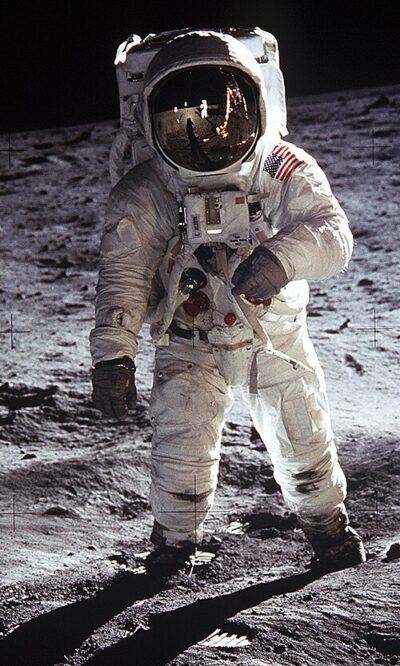 Buzz AldrinAmerican astronaut (born 1930)
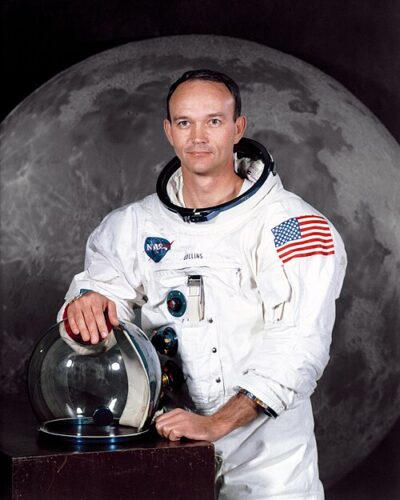 Michael CollinsAmerican astronaut (1930–2021)
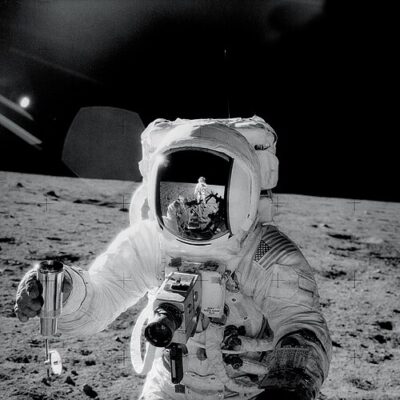 Alan BeanAmerican astronaut and painter (1932-2018)
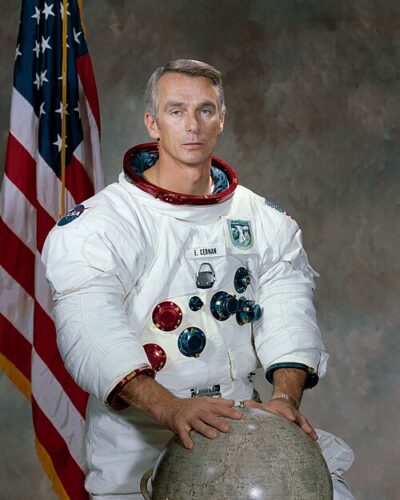 Eugene CernanNASA astronaut, Naval aviator, aeronautical engineer, electrical engineer, fighter pilot, eleventh human to walk on the Moon (Apollo 10 and Apollo 17)
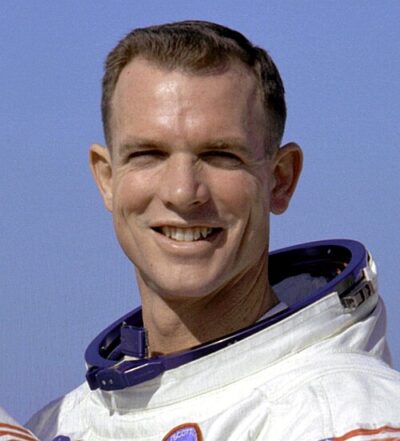 David ScottAmerican engineer, retired U.S. Air Force officer, former test pilot, and former NASA astronaut (born 1932)
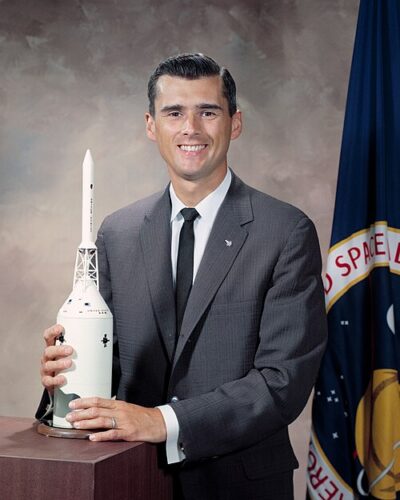 Roger Bruce ChaffeeUnited States Navy commander, NASA astronaut (1935–1967)
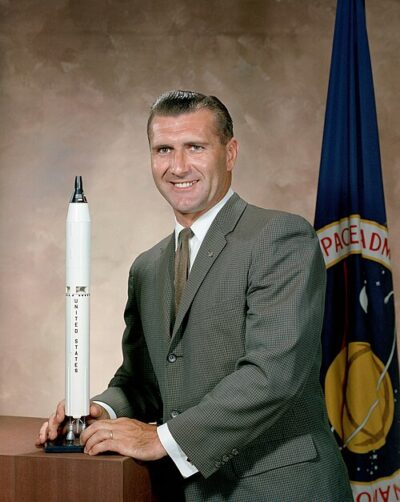 Richard F. GordonAmerican astronaut (1929–2017)
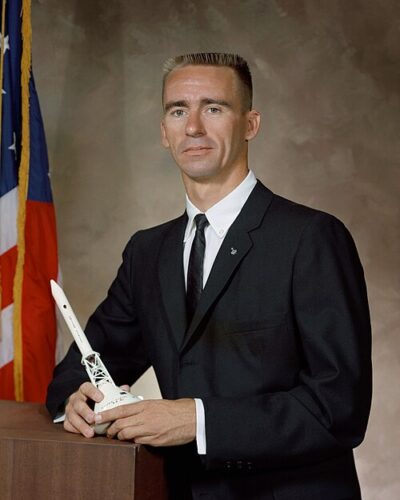 Walter CunninghamAmerican astronaut (1932–2023)
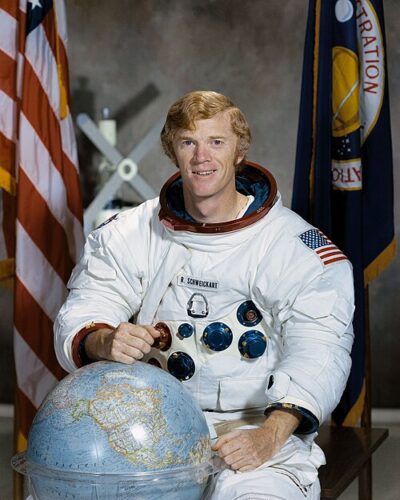 Rusty SchweickartAmerican astronaut
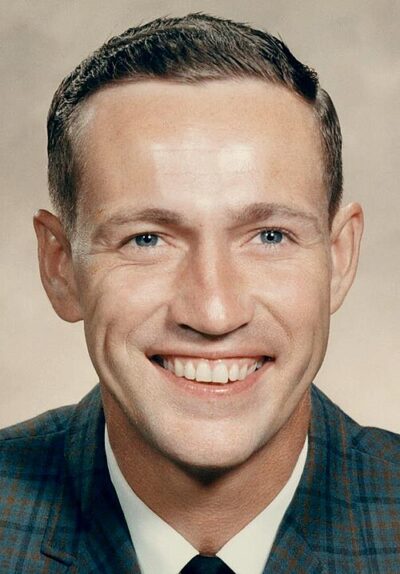 Donn F. EiseleAmerican astronaut (1930–1987)
