Order of Pedro I
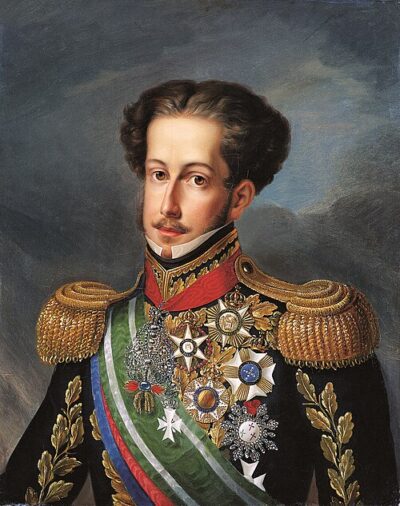
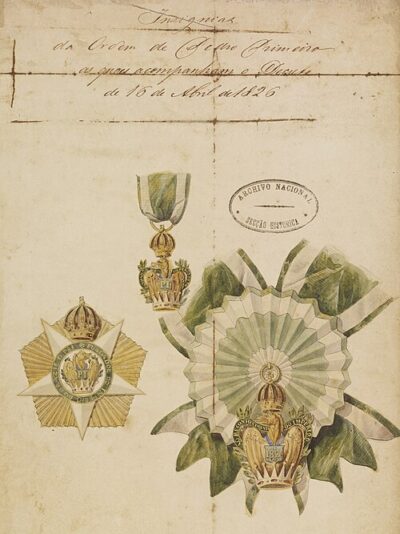
Order of Pedro I is a Brazilian honorary order. It was created in 1826 by Pedro I of Brazil.
- Country
- Brazil
- Created
- April 16, 1826
All 5 facts, and where they come from
Facts
5 facts · 0 confirmed by two sources · 0 cited · 5 from one source
Where this comes from
Papalocal keeps its own record. It started from these sources; what each one said is kept here as it was copied, so a change on their side never changes this page by itself. Tap one to read its version.
What Wikidata says · copied November 17, 2026 · revision 2569563474
- Described as
- Brazilian honorary order
- What it is
- order
- Created
- April 16, 1826
- Founded by
- Pedro I of Brazil · 1 reference
- Country
- Brazil
- Named after
- Pedro I of Brazil · 1 reference
- Wikipedias with a page
- 13
Wikidata item Q2045149 (wikidata.org/wiki/Q2045149), public domain (CC0). Copied 2026-11-17.
What Wikipedia says · copied November 17, 2026 · revision 1371269771
The Imperial Order of Dom Pedro I (Portuguese: Imperial Ordem de Pedro Primeiro or Imperial Ordem de Pedro Primeiro, Fundador do Império do Brasil) is a Brazilian order of chivalry instituted by Emperor Pedro I of Brazil on 16 April 1826. It is considered by many numismatists as the rarest of the Brazilian imperial orders.
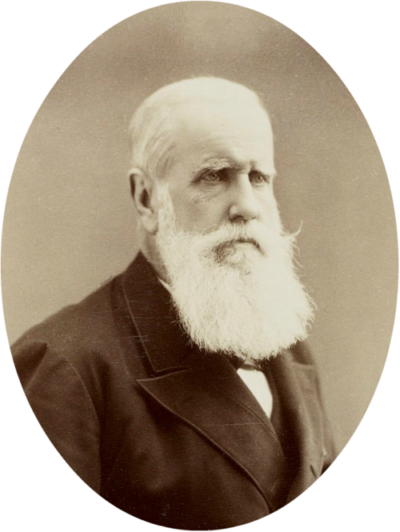
On 22 March 1890, the order was cancelled as national order by the interim government of United States of Brazil. Since the deposition in 1889 of the last Brazilian monarch, Emperor Pedro II, the order continues as a house order being awarded by the Heads of the House of Orleans-Braganza, pretenders to the defunct throne of Brazil. The current Brazilian Imperial Family is split into two branches Petrópolis and Vassouras, and the Grand Mastership of the Order is disputed between those two branches.
From the Wikipedia article “Order of Pedro I” (en.wikipedia.org/wiki/Order_of_Pedro_I), by its contributors, under CC BY-SA 4.0 (creativecommons.org/licenses/by-sa/4.0/). Copied 2026-11-17; not changed.
Confirmed Two sources agree. Cited One source, and it names where it got it. One source One source, without a reference of its own. Sources disagree The sources disagree. We show the best-supported value and keep theirs below.
Picture: Wikimedia Commons · Public domain