
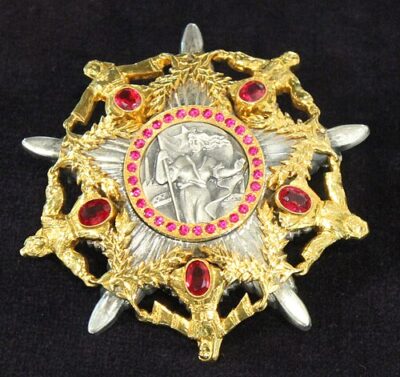
Order of the Hero of Socialist Labour
Order of the Hero of Socialist Labour is the fourth highest state decoration awarded in Yugoslavia. It was created in 1948.
- Country
- Socialist Federal Republic of Yugoslavia
- Created
- December 8, 1948
All 3 facts, and where they come from
Facts
3 facts · 0 confirmed by two sources · 0 cited · 3 from one source
Where this comes from
Papalocal keeps its own record. It started from these sources; what each one said is kept here as it was copied, so a change on their side never changes this page by itself. Tap one to read its version.
What Wikidata says · copied November 16, 2026 · revision 2569951723
- Described as
- the fourth highest state decoration awarded in Yugoslavia
- What it is
- order
- Created
- December 8, 1948
- Country
- Socialist Federal Republic of Yugoslavia
- Wikipedias with a page
- 9
Wikidata item Q2671523 (wikidata.org/wiki/Q2671523), public domain (CC0). Copied 2026-11-16.
What Wikipedia says · copied November 16, 2026 · revision 1374545229
Order of the Hero of Socialist Labour (Serbo-Croatian: Orden junaka socijalističkog rada / Орден јунака социјалистичког рада, Slovene: Red junaka socialističnega dela, Macedonian: Орден на јунак на социјалистичката работа) was the fourth highest state decoration awarded in Yugoslavia. It was awarded to Yugoslav citizens, companies and sports teams for outstanding achievements in their professional work. The order was awarded a total of 121 times until 1987. After the Breakup of Yugoslavia the decoration was discontinued.
Along with the order, the recipient was awarded the title of Hero of Socialist Labour (Serbo-Croatian: Junak socijalističkog rada / Јунак социјалистичког рада, Slovene: Junak socialističnega dela, Macedonian: Jунак на социјалистичката работа).
From the Wikipedia article “Order of the Hero of Socialist Labour” (en.wikipedia.org/wiki/Order_of_the_Hero_of_Socialist_Labour), by its contributors, under CC BY-SA 4.0 (creativecommons.org/licenses/by-sa/4.0/). Copied 2026-11-16; not changed.
Confirmed Two sources agree. Cited One source, and it names where it got it. One source One source, without a reference of its own. Sources disagree The sources disagree. We show the best-supported value and keep theirs below.
Picture: Pinki at Serbian Wikipedia, via Wikimedia Commons · Public domain
People connected 18
Won it
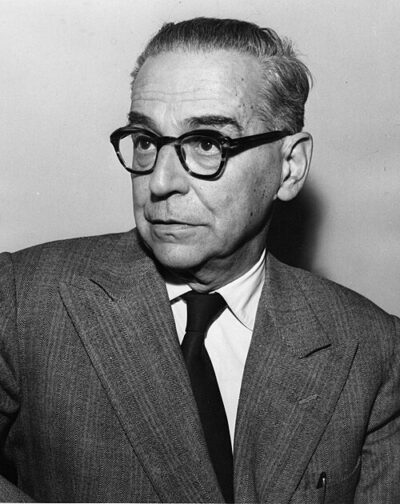 Ivo Andrić (1972)Yugoslav novelist (1892–1975)
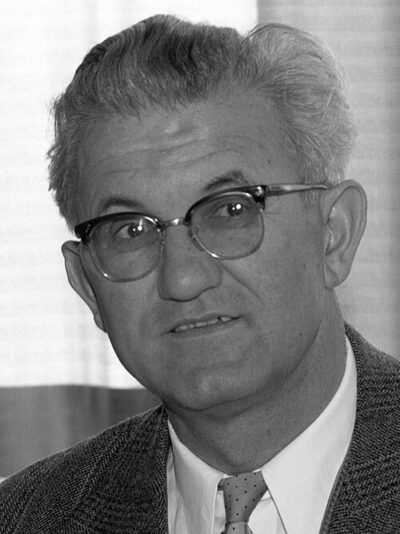 Petar Stambolić (1961)Yugoslav communist politician (1912-2007)
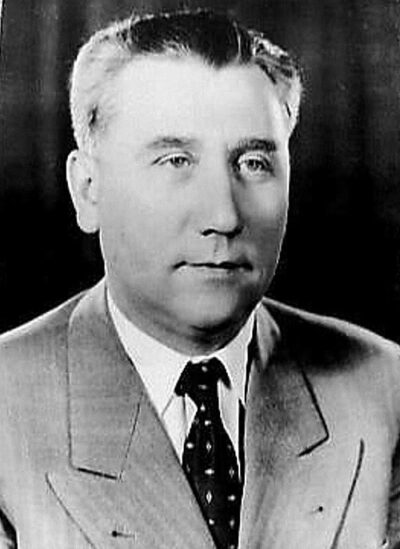 Aleksandar Ranković (1954)Yugoslav politician (1909-1983)
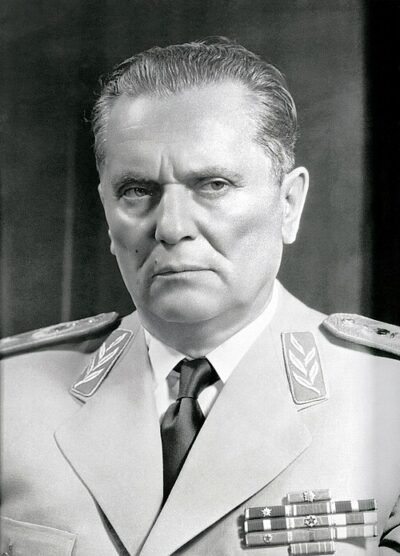 Josip Broz Tito (1950)Yugoslav revolutionary and statesman (1892−1980)
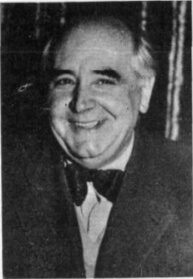 Miroslav KrležaCroatian writer (1893–1981)
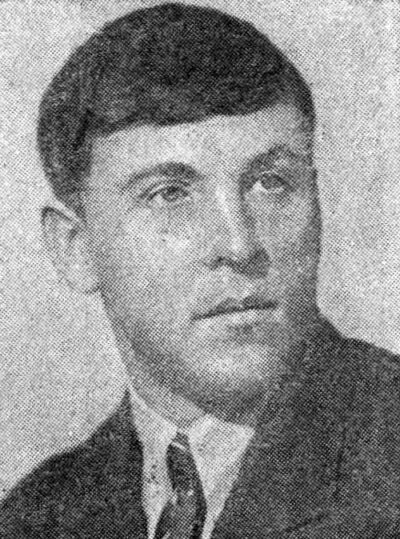 Alexey StakhanovSoviet miner, namesake of Stakhanovite movement (1906-1977)
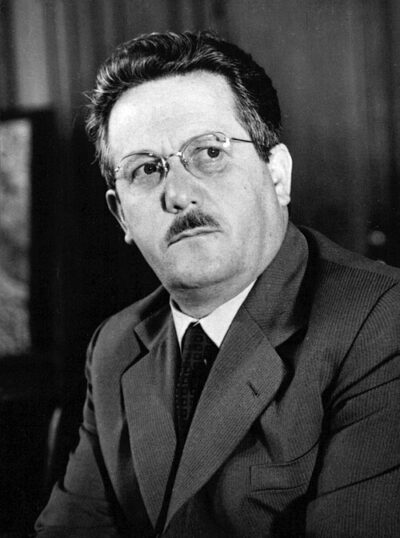 Edvard KardeljYugoslav politician (1910–1979)
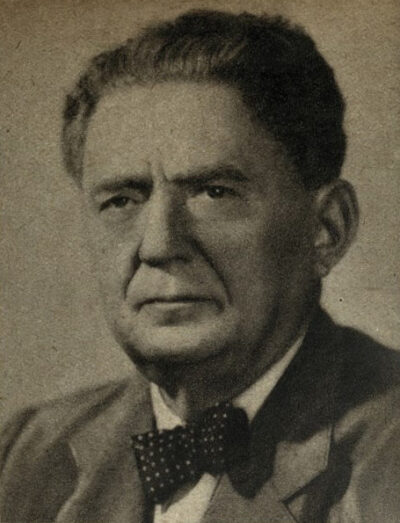 Ivan RibarCroatian politician (1881-1968)
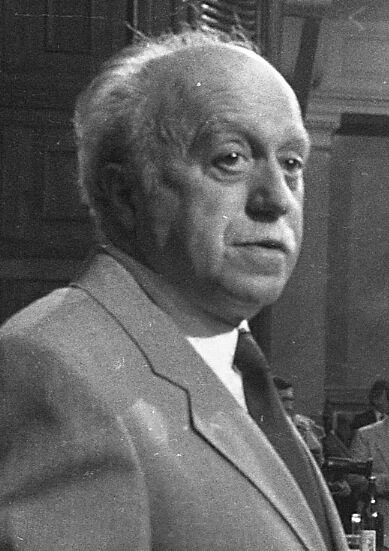 Mitja RibičičYugoslav politician (1919–2013)
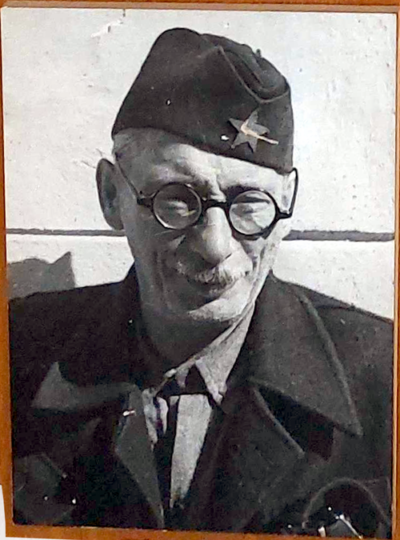 Moša PijadeYugoslav revolutionary and politician (1890–1957)
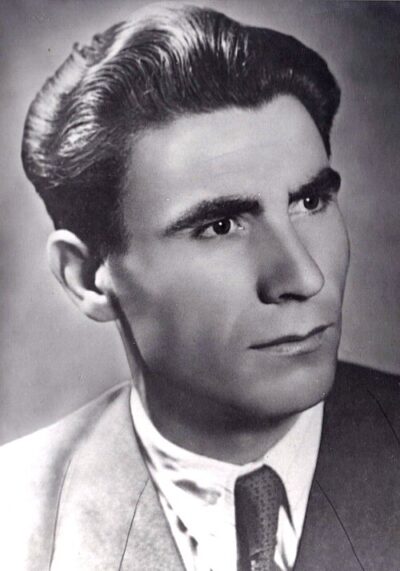 Lazar KoliševskiYugoslav Macedonian political leader (1914–2000)
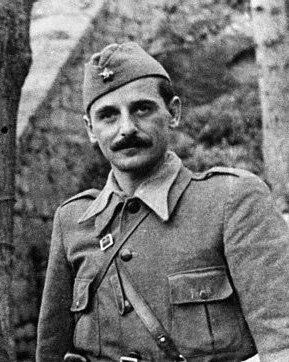 Koča PopovićSerbian and Yugoslavian soldier and politician (1908-1992)
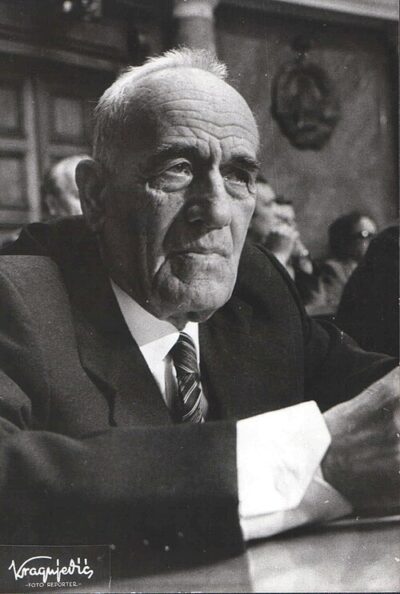 Mihailo LalićMontenegrin writer (1914-1992)
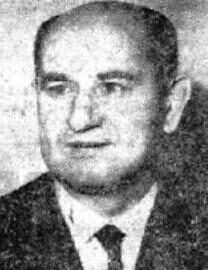 Mika ŠpiljakCroatian politician (1916-2007)
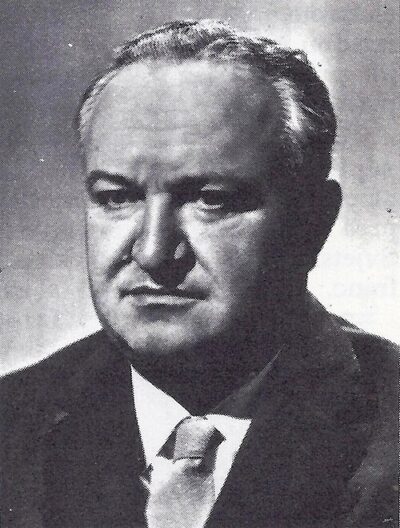 Vladimir BakarićCroatian politician (1912-1983)
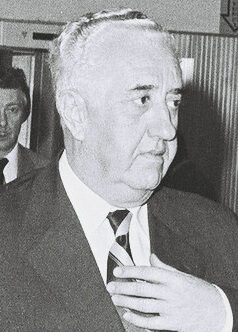 Džemal BijedićBosnian politician (1917 – 1977)
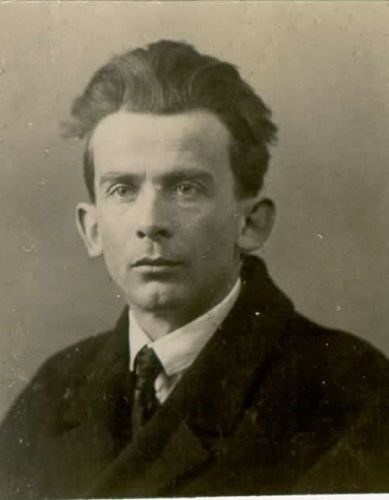 Josip VidmarSlovenian writer (1895-1992)
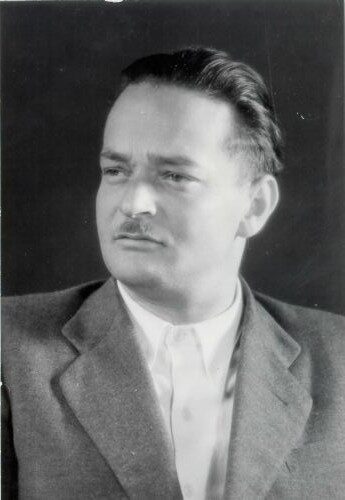 Boris KidričPrime Minister of Slovenia (1912–1953)
