
Panofsky Prize
Panofsky Prize is an award. It was created in 1988. It is given by the American Physical Society.
- Given by
- American Physical Society
- Created
- 1988
All 5 facts, and where they come from
Facts
5 facts · 0 confirmed by two sources · 0 cited · 5 from one source
Where this comes from
Papalocal keeps its own record. It started from these sources; what each one said is kept here as it was copied, so a change on their side never changes this page by itself. Tap one to read its version.
What Wikidata says · copied November 16, 2026 · revision 2569282496
- Described as
- award
- Other names
- W.K.H. Panofsky Prize in Experimental Particle Physics
- What it is
- award
- Created
- 1988
- Given by
- American Physical Society
- Named after
- Wolfgang K. H. Panofsky
- Official website
- https://www.aps.org/funding-recognition/prize/panofsky · 1 reference
- Wikipedias with a page
- 14
Wikidata item Q891037 (wikidata.org/wiki/Q891037), public domain (CC0). Copied 2026-11-16.
What Wikipedia says · copied November 16, 2026 · revision 1357441579
The Panofsky Prize in Experimental Particle Physics is an annual prize of the American Physical Society. It is given to recognize and encourage outstanding achievements in experimental particle physics, and is open to scientists of any nation. It was established in 1985 by friends of Wolfgang K. H. Panofsky and by the Division of Particles and Fields of the American Physical Society. Panofsky was a physics professor at Stanford University and the first director of the Stanford Linear Accelerator Center (SLAC). Several of the prize winners have subsequently won the Nobel Prize in Physics. As of 2021, the prize included a $10,000 award.
From the Wikipedia article “Panofsky Prize” (en.wikipedia.org/wiki/Panofsky_Prize), by its contributors, under CC BY-SA 4.0 (creativecommons.org/licenses/by-sa/4.0/). Copied 2026-11-16; not changed.
Confirmed Two sources agree. Cited One source, and it names where it got it. One source One source, without a reference of its own. Sources disagree The sources disagree. We show the best-supported value and keep theirs below.
People connected 7
Won it
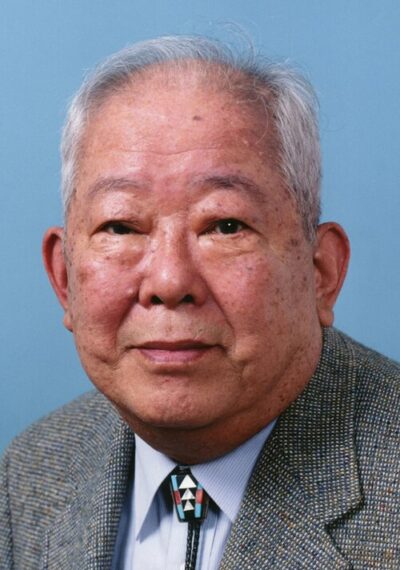 Masatoshi Koshiba (2002)Japanese physicist and astronomer (1926-2020)
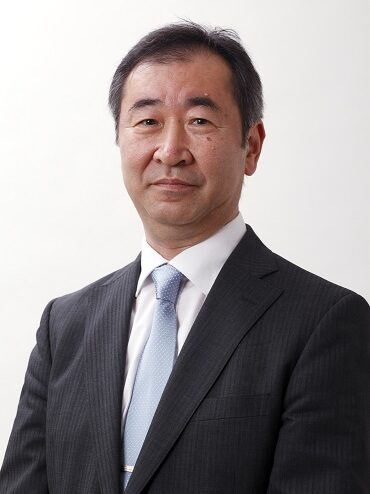 Takaaki Kajita (2002)Japanese physicist and astronomer
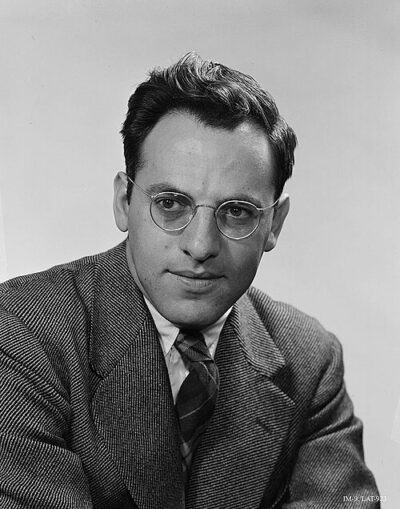 Frederick Reines (1992)American physicist (1918–1998)
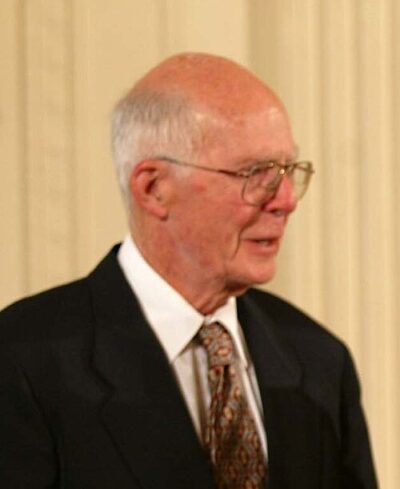 Raymond Davis Jr. (1992)American scientist (1914-2006)
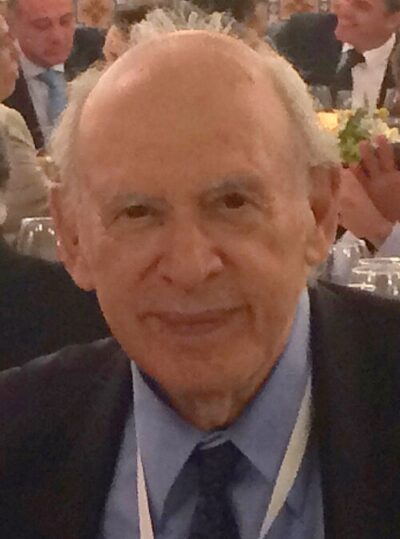 Jerome Isaac Friedman (1989)American physicist
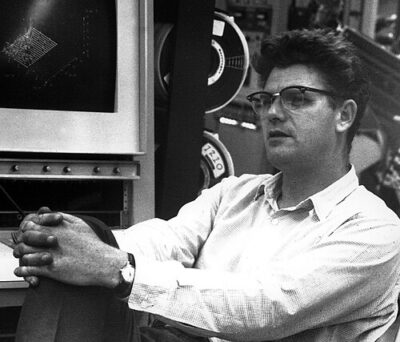 Richard E. Taylor (1989)Canadian physicist (1929-2018)
 Henry Way Kendall (1989)American particle physicist who won the Nobel Prize in Physics
