
party leader
Party leader is a leading official of a political party.
All 2 facts, and where they come from
Facts
2 facts · 0 confirmed by two sources · 0 cited · 2 from one source
Where this comes from
Papalocal keeps its own record. It started from these sources; what each one said is kept here as it was copied, so a change on their side never changes this page by itself. Tap one to read its version.
What Wikidata says · copied November 17, 2026 · revision 2569861844
- Described as
- leading official of a political party
- Other names
- party chief
- What it is
- position; occupation
- Wikipedias with a page
- 25
Wikidata item Q1553195 (wikidata.org/wiki/Q1553195), public domain (CC0). Copied 2026-11-17.
What Wikipedia says · copied November 17, 2026 · revision 1364870521
In a governmental system, a party leader acts as the official representative of their political party, either to a legislature or to the electorate. Depending on the country, the individual colloquially referred to as the "leader" of a political party may officially be party chair, secretary, or the highest political office.
The party leader is often responsible for managing the party's relationship with the general public and leading the competition against political rivals, similar to the role of a party spokesperson. As such, they will take a leading role in developing and communicating party platforms to the electorate.
In many representative democracies, party leaders compete directly for high political office. It is thus typical in such states (notably in the Westminster system) for the party leader to seek election to the legislature and, if elected, to simultaneously serve as the party's parliamentary leader. In several countries utilizing the parliamentary system, if the party leader's political party emerges with a majority of seats in parliament after a general election, is the leading party in a coalition government, or (in some instances) is the largest party in a minority parliament, that party's leader often serves as the prime minister. Thus, in the politics of several countries utilizing the parliamentary system, a political party's leader is treated as a de facto candidate for prime minister by the media and the general public, even if said office is technically not directly elected.
Party Head or leader of a political party, subject to party's constitutional document need not be elected member of legislature and is therefore different from leader of parliamentary committee of a party.
This is much harder to do in presidential and semi-presidential systems, where the chief executive is a president who can only be removed by a special impeachment (typically involving a legislative supermajority, an investigation by a constitutional court, or both), and removal entails either a snap election or automatic succession to office by a vice president; therefore, the party's de jure internal leader either takes a background role (such as the Chairs of the Democratic, and Republican parties in the United States, who serve more so as the chief administrative officers of their respective political parties), or the leadership may be automatically bestowed on an incumbent president who belongs to the party (such as the Democratic Progressive Party in Taiwan). In countries using the Westminster system, the leader of the largest political party not within the government serves as the leader of the opposition.
From the Wikipedia article “Party leader” (en.wikipedia.org/wiki/Party_leader), by its contributors, under CC BY-SA 4.0 (creativecommons.org/licenses/by-sa/4.0/). Copied 2026-11-17; not changed.
Confirmed Two sources agree. Cited One source, and it names where it got it. One source One source, without a reference of its own. Sources disagree The sources disagree. We show the best-supported value and keep theirs below.
People connected 100
Held this office 87
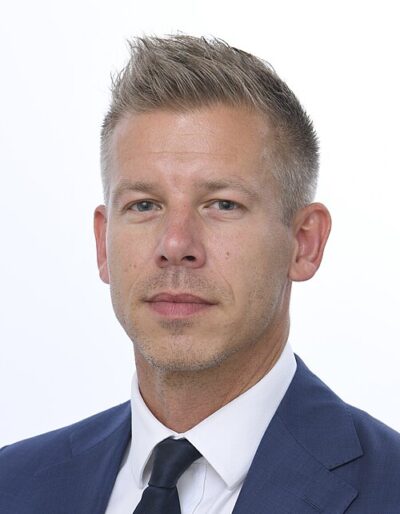 Péter Magyar (2024–)Hungarian lawyer and politician, Prime Minister of Hungary since 2026
 Paetongtarn Shinawatra (2023–)Businesswoman and former Prime Minister of Thailand
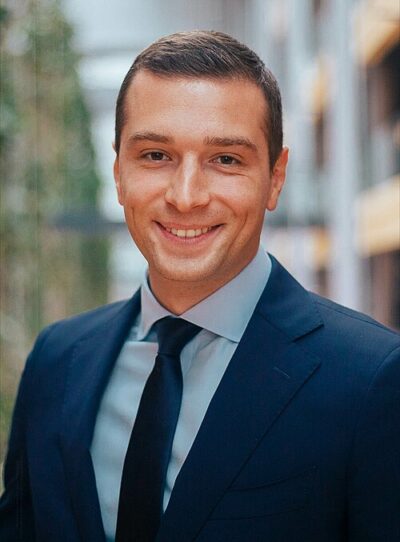 Jordan Bardella (2022–)French politician (born 1995)
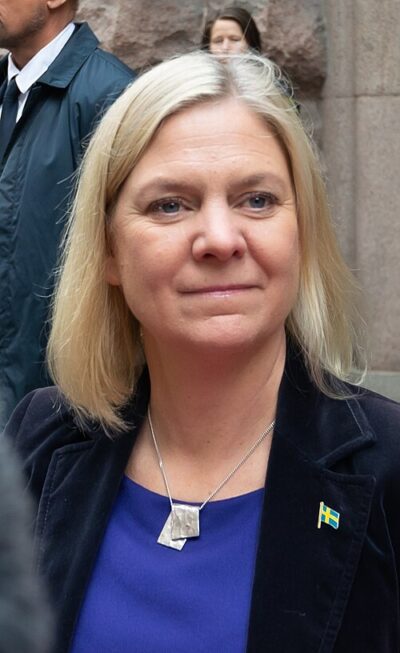 Magdalena Andersson (2021–)Prime Minister of Sweden from 2021 to 2022, Swedish politician and economist
 Sylvi Listhaug (2021–)Norwegian politician (born 1977)
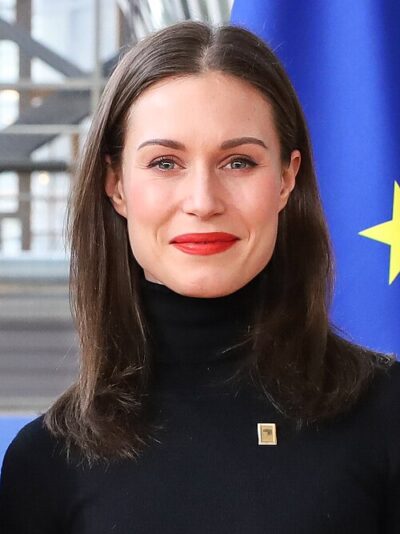 Sanna Marin (2020–2023)Prime Minister of Finland from 2019 to 2023
 Dacian Cioloș (2019–2021)64th Prime Minister of Romania (2015-2017)
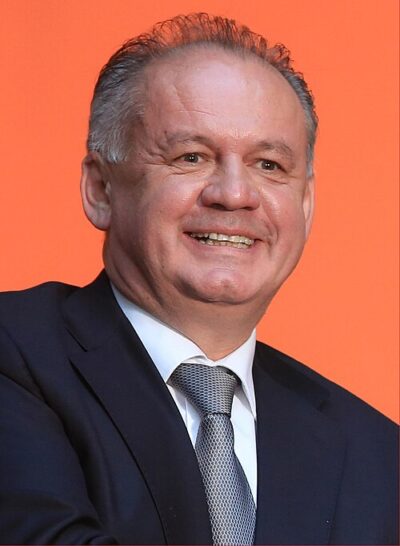 Andrej Kiska (2019–)4th President of Slovakia
- HHwang Kyo-ahn (2019–)acting president of South Korea from 2016 to 2017 (born 1957)
 Itamar Ben-Gvir (2019–)Israeli lawyer and far-right politician (born 1976), Israel's Minister of National Security since 2022
 Ludovic Orban (2017–2021)68th Prime Minister of Romania (2019-2020)
 Manuela Schwesig (2017–)German politician (SPD), Minister President of Mecklenburg-Vorpommern
 Nathan Law (2016–2018)Hong Kong politician
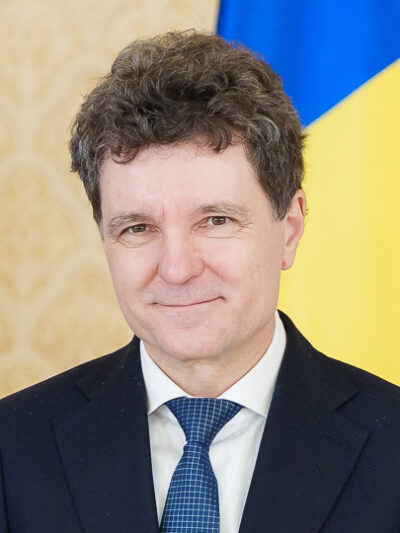 Nicușor Dan (2016–2017)President of Romania since 2025
 Ebba Busch (2015–)Swedish politician (born 1987)
 Antti Rinne (2014–2020)45th Prime Minister of Finland
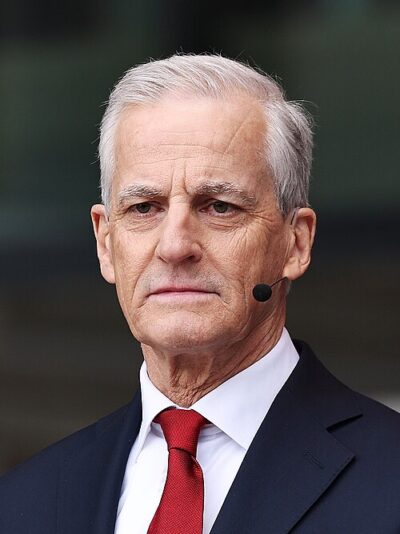 Jonas Gahr Støre (2014–)Prime Minister of Norway since 2021
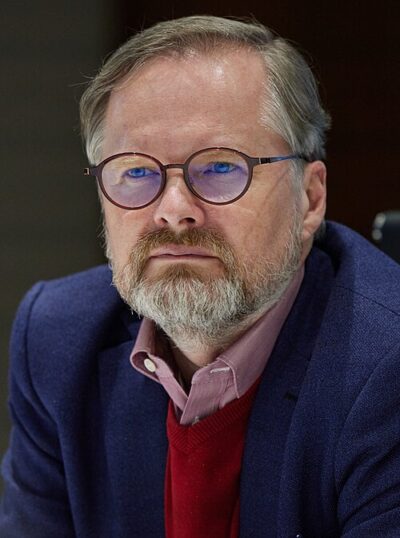 Petr Fiala (2014–)Czech politician and politologist
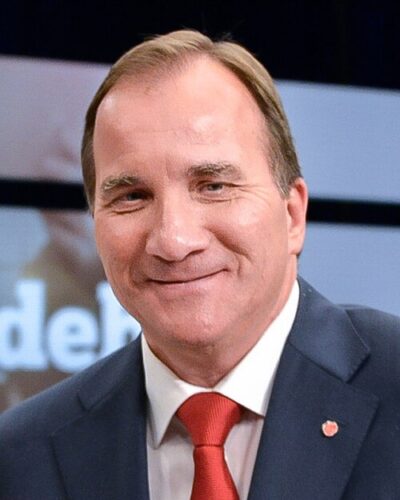 Stefan Löfven (2012–2021)Swedish politician, Prime Minister of Sweden between 2014–2021
 Katja Kipping (2012–2021)German politician
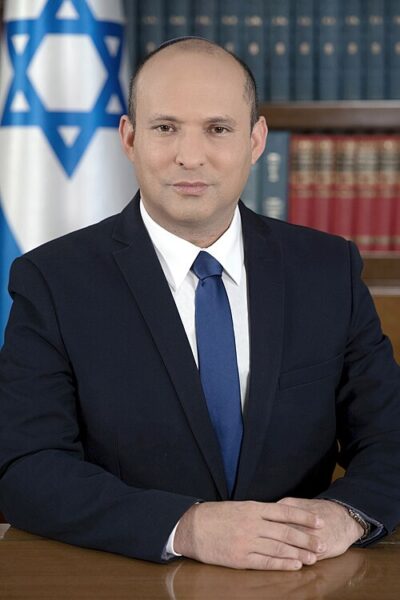 Naftali Bennett (2012–2018)Prime Minister of Israel from 2021 to 2022
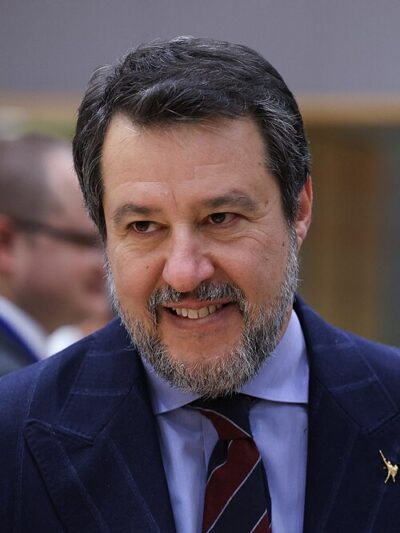 Matteo Salvini (2012–2015)Italian politician (born 1973)
 Anutin Charnvirakul (2012–)32nd Prime Minister of Thailand
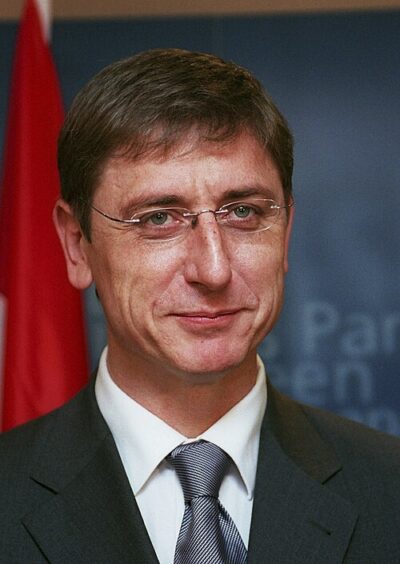 Ferenc Gyurcsány (2011–2025)Prime Minister of Hungary from 2004 to 2009
and 63 more
Occupation
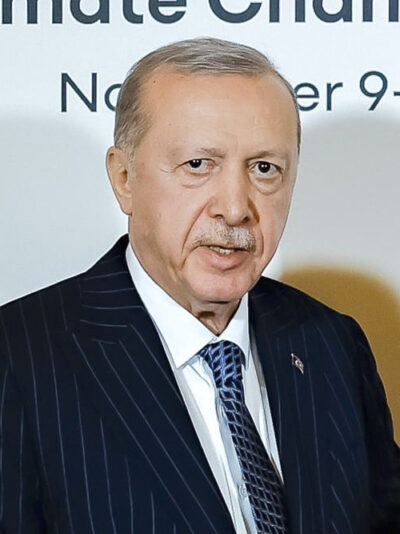 Recep Tayyip ErdoğanPresident of Turkey since 2014
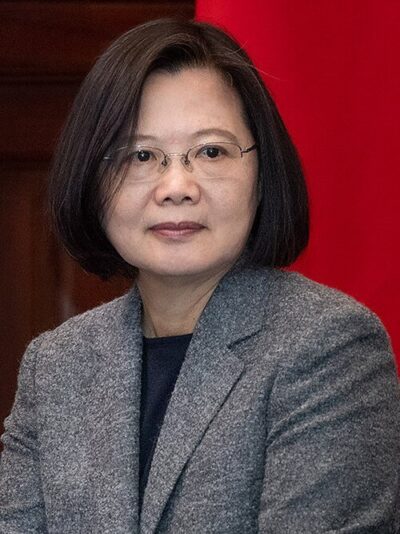 Tsai Ing-wen14th and 15th President of Republic of China (Taiwan)
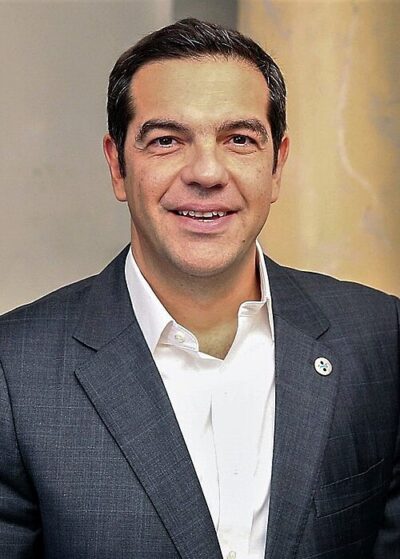 Alexis TsiprasPrime Minister of Greece (2015; 2015–2019)
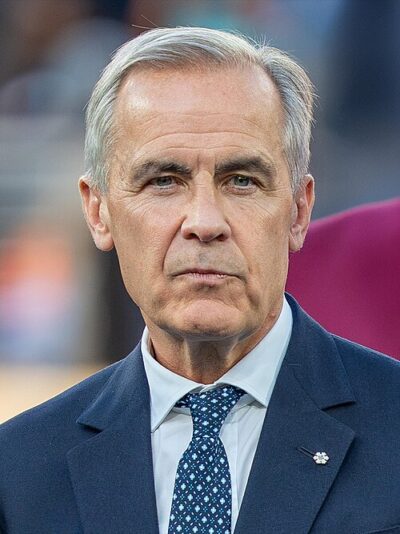 Mark Carney24th prime minister of Canada since 2025
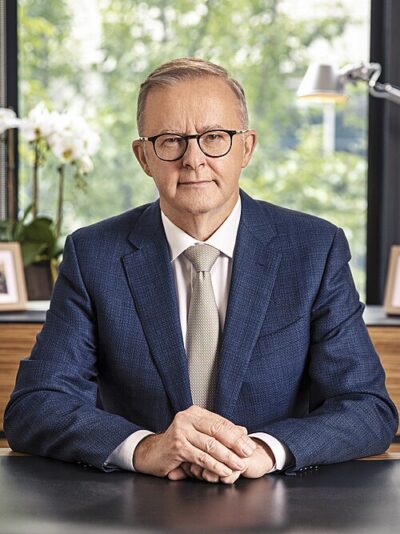 Anthony Albanese31st prime minister of Australia
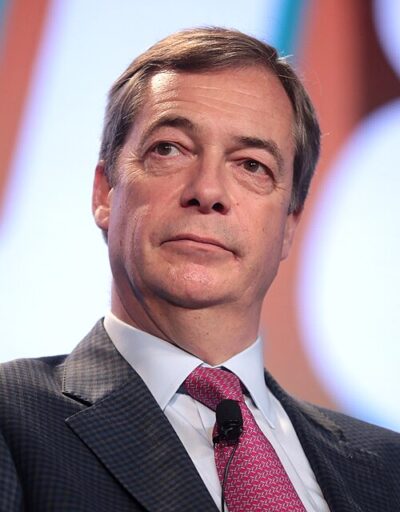 Nigel FarageBritish politician
- Magdalena AnderssonPrime Minister of Sweden from 2021 to 2022, Swedish politician and economist
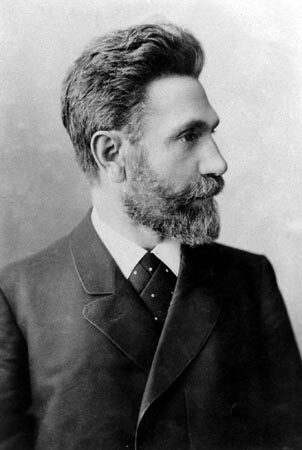 August BebelGerman social democrat politician (1840–1913)
 Ernst ThälmannGerman communist politician, leader of Communist Party of Germany (1886–1944)
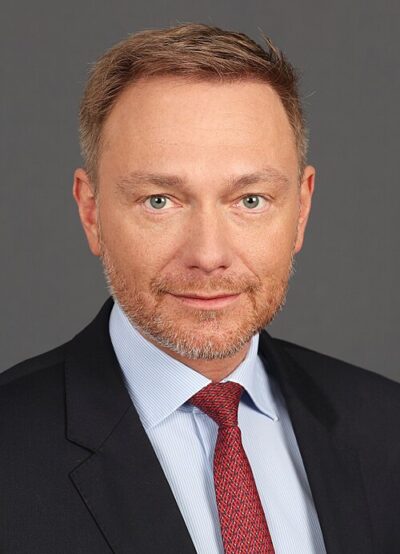 Christian LindnerGerman politician, former Federal Minister of Finance
 Pavel MilyukovRussian politician and historian (1859-1943)
 Victor Adlerforeign minister of Austria, editor (1852–1918)
 Trygve Bratteli26th Prime Minister of Norway
 Hu Han-minChinese politician (1879-1936)
 Hugo HaaseGerman jurist, politician (SPD), and pacifist (1863-1919)
