
Pfizer Award in Enzyme Chemistry
Pfizer Award in Enzyme Chemistry is a former American biochemistry and medicine award (1946–2021). It was created in 1945. It is given by the American Chemical Society.
- Given by
- American Chemical Society
- Country
- United States
- Created
- 1945
All 7 facts, and where they come from
Facts
7 facts · 0 confirmed by two sources · 0 cited · 6 from one source · 1 where the sources disagree
What’s different
- Created: we show 1945 (Sources disagree). Wikidata also lists 1946
Where this comes from
Papalocal keeps its own record. It started from these sources; what each one said is kept here as it was copied, so a change on their side never changes this page by itself. Tap one to read its version.
What Wikidata says · copied November 16, 2026 · revision 2418997386
- Described as
- former American biochemistry and medicine award (1946–2021)
- Other names
- Paul-Lewis Award in Enzyme Chemistry
- What it is
- biochemistry award; medicine award
- Created
- 1945 · 1 reference; 1946 · 1 reference
- Ended
- 2021 · 1 reference
- Country
- United States
- Given by
- American Chemical Society
- Named after
- Pfizer
- Wikipedias with a page
- 10
Wikidata item Q2083899 (wikidata.org/wiki/Q2083899), public domain (CC0). Copied 2026-11-16.
What Wikipedia says · copied November 16, 2026 · revision 1333663086
The Pfizer Award in Enzyme Chemistry, formerly known as the Paul-Lewis Award in Enzyme Chemistry was established in 1945. Consisting of a gold medal and honorarium, its purpose is to stimulate fundamental research in enzyme chemistry by scientists not over forty years of age. The award is administered by the Division of Biological Chemistry of the American Chemical Society and sponsored by Pfizer. The award was terminated in 2022.
From the Wikipedia article “Pfizer Award in Enzyme Chemistry” (en.wikipedia.org/wiki/Pfizer_Award_in_Enzyme_Chemistry), by its contributors, under CC BY-SA 4.0 (creativecommons.org/licenses/by-sa/4.0/). Copied 2026-11-16; not changed.
Confirmed Two sources agree. Cited One source, and it names where it got it. One source One source, without a reference of its own. Sources disagree The sources disagree. We show the best-supported value and keep theirs below.
People connected 8
Won it
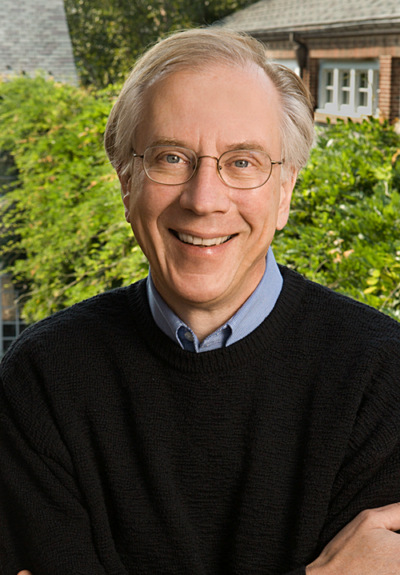 Thomas Cech (1985)American chemist, biochemistry professor
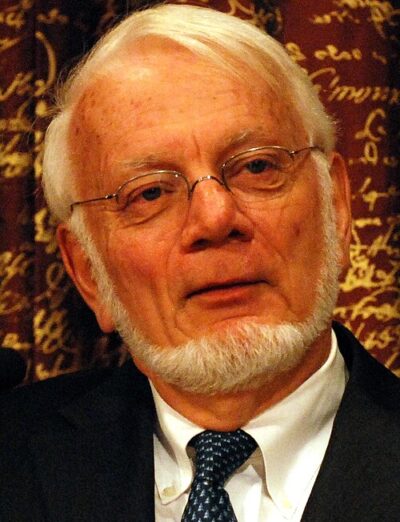 Thomas A. Steitz (1980)American biochemist (1940–2018)
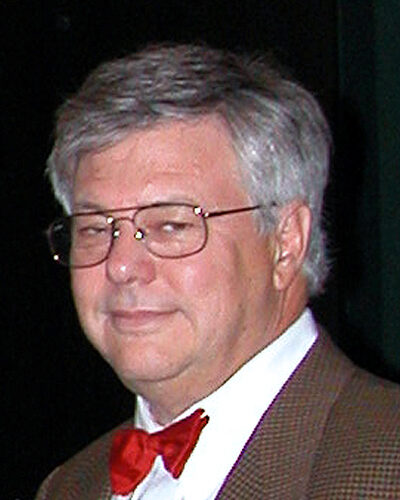 Michael Stuart Brown (1976)American geneticist and Nobel laureate
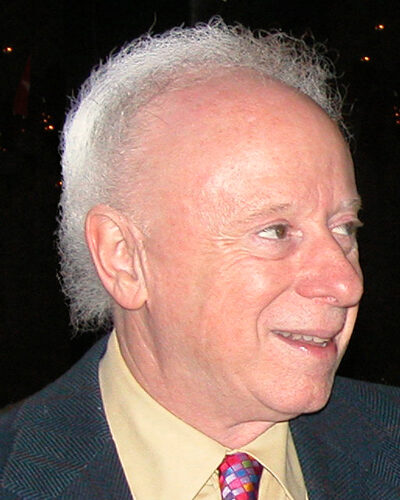 Joseph L. Goldstein (1976)American biochemist
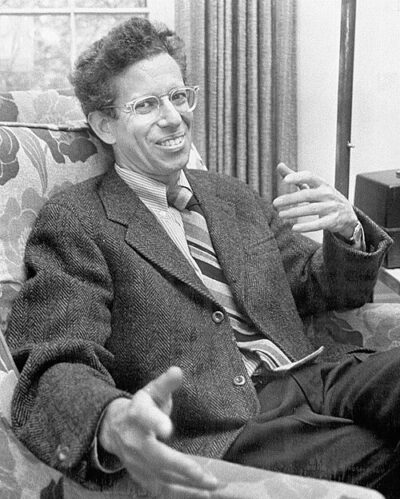 Howard Temin (1973)American geneticist
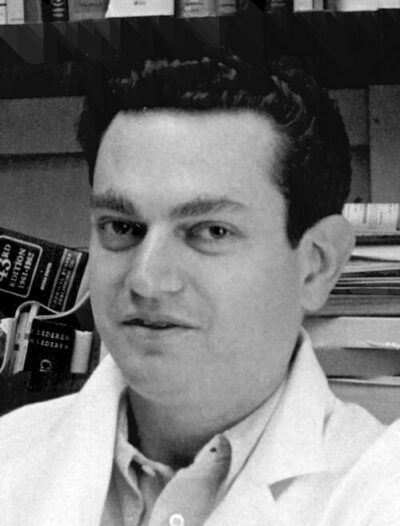 Marshall Warren Nirenberg (1964)American biochemist and geneticist (1927-2010)
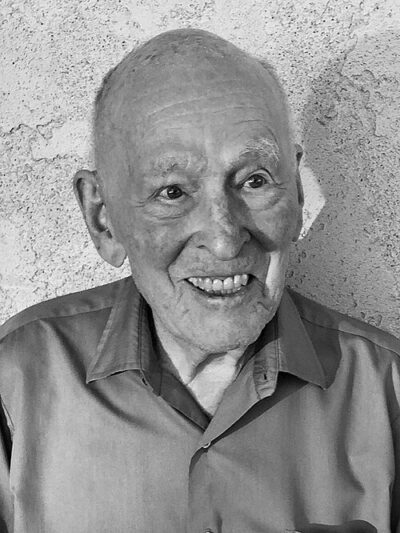 Paul D. Boyer (1955)American biochemist (1918–2018)
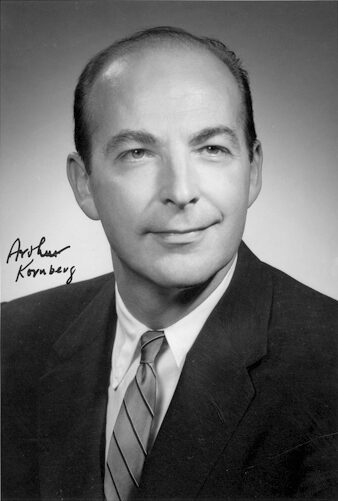 Arthur Kornberg (1951)American biochemist
