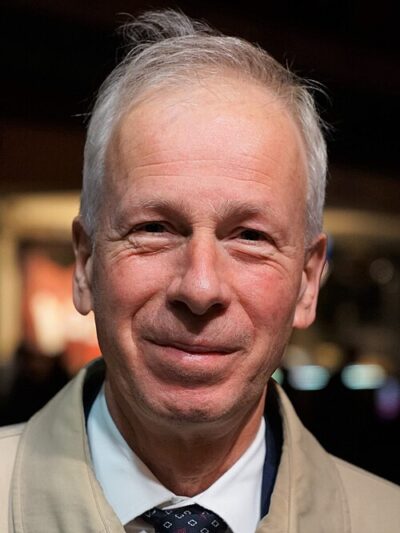
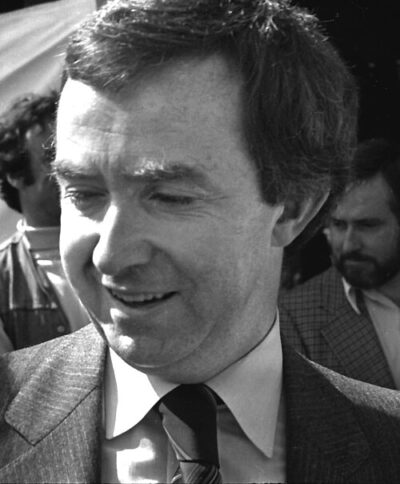
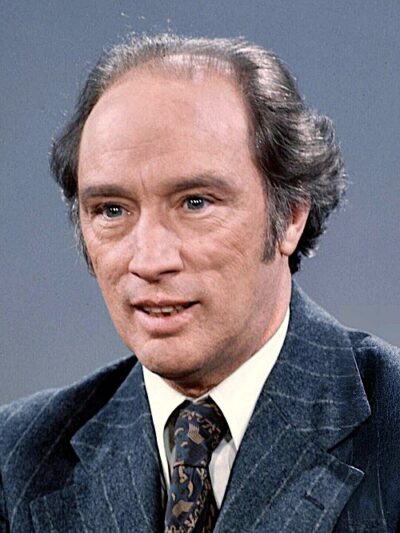
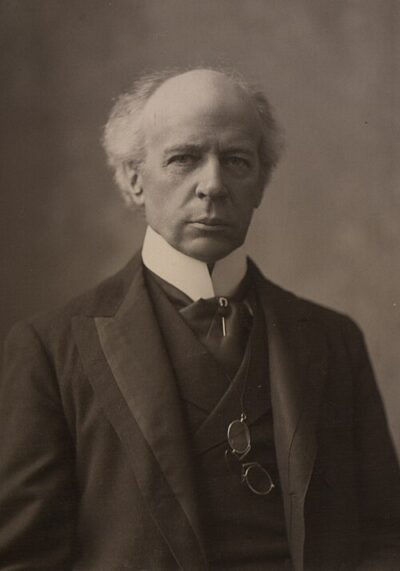
President of the King's Privy Council for Canada
President of the King's Privy Council for Canada is a Canadian cabinet position. It was created in 1867.
All 4 facts, and where they come from
Facts
4 facts · 0 confirmed by two sources · 0 cited · 4 from one source
Where this comes from
Papalocal keeps its own record. It started from these sources; what each one said is kept here as it was copied, so a change on their side never changes this page by itself. Tap one to read its version.
What Wikidata says · copied November 16, 2026 · revision 2569815202
- Described as
- Canadian cabinet position
- Other names
- President of the Queen's Privy Council for Canada, President of the Privy Council for Canada
- What it is
- position
- Created
- 1867
- Country
- Canada
- Office of
- Canada
- Wikipedias with a page
- 3
Wikidata item Q3253693 (wikidata.org/wiki/Q3253693), public domain (CC0). Copied 2026-11-16.
What Wikipedia says · copied November 16, 2026 · revision 1373761026
President of the King's Privy Council for Canada (French: Président du Conseil privé du Roi pour le Canada) is the title held by a member of the Canadian Cabinet who has the – largely ceremonial – duty of chairing meetings of the Privy Council. The Privy Council president often holds an additional portfolio, commonly minister of intergovernmental affairs, and is supported by the Privy Council Office.
Dominic LeBlanc has been President of the Privy Council since March 14, 2025; he previously held the role from 2018 to 2021. LeBlanc concurrently serves as the minister responsible for Canada-U.S. trade, intergovernmental affairs and one Canadian economy. The officeholder is selected by the prime minister of Canada and appointed by the Crown.
The president of the Privy Council has additionally been designated as the minister responsible for the Major Projects Office since 2025.
From the Wikipedia article “President of the King's Privy Council for Canada” (en.wikipedia.org/wiki/President_of_the_King's_Privy_Council_for_Canada), by its contributors, under CC BY-SA 4.0 (creativecommons.org/licenses/by-sa/4.0/). Copied 2026-11-16; not changed.
Confirmed Two sources agree. Cited One source, and it names where it got it. One source One source, without a reference of its own. Sources disagree The sources disagree. We show the best-supported value and keep theirs below.