
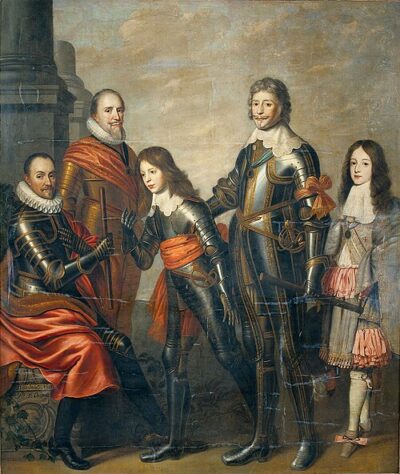
Prince of Orange
The Prince of Orange is a title originally from the Principality of Orange.
All 2 facts, and where they come from
Facts
2 facts · 0 confirmed by two sources · 0 cited · 2 from one source
Where this comes from
Papalocal keeps its own record. It started from these sources; what each one said is kept here as it was copied, so a change on their side never changes this page by itself. Tap one to read its version.
What Wikidata says · copied November 17, 2026 · revision 2518561109
- Described as
- title originally from the Principality of Orange
- What it is
- noble title; substantive title
- Wikipedias with a page
- 31
Wikidata item Q549449 (wikidata.org/wiki/Q549449), public domain (CC0). Copied 2026-11-17.
What Wikipedia says · copied November 17, 2026 · revision 1380031515
Prince of Orange or Princess of Orange (Dutch: Prins(es) van Oranje) is a title usually held by the heirs apparent to the throne of the Netherlands. It arose as a feudal title in the middle ages with the sovereign Principality of Orange, in what is now southern France, and was later held by the stadtholders of the Netherlands.
The title "Prince of Orange" was created in 1163 by Holy Roman Emperor Frederick Barbarossa, by elevating the county of Orange to a principality, in order to bolster his support in that area in his conflict with the Papacy. The title and land passed to the French noble houses of Baux, in 1173, and of Chalons, in 1393, before arriving with René of Nassau in 1530. The principality then passed to René's cousin, the German-born nobleman from then Spanish Netherlands, William (known as "the Silent"), in 1544. Subsequently, William led a successful Dutch revolt against Spain; however, with independence, the new country became a decentralised republic rather than a unitary monarchy.
In 1702, after William the Silent's great-grandson William III of England died without children, a dispute arose between his cousins, Johan Willem Friso and Frederick I of Prussia. In 1713, under the Treaty of Utrecht Frederick William I of Prussia ceded the Principality of Orange to King Louis XIV of France (while retaining the title as part of his dynastic titulature). In 1732, under the Treaty of Partition, Friso's son, William IV agreed to share use of the title "Prince of Orange" (which had accumulated prestige in the Netherlands and throughout the Protestant world) with Frederick William.
With the 19th century emergence of the Kingdom of the Netherlands, the title has been traditionally borne by the heir apparent of the Dutch monarch. Although originally only borne by men, since 1983 the title descends via absolute primogeniture, which means that the holder can be either Prince or Princess of Orange.
The current Dutch royal dynasty, the House of Orange-Nassau, is not the only family to claim the dynastical title. Rival claims to the title have been made by German emperors and kings of the House of Hohenzollern and by the head of the French noble family of Mailly. The current users of the title are Princess Catharina-Amalia of the Netherlands (Orange-Nassau), Georg Friedrich (of Hohenzollern), and Guy (of Mailly-Nesle).
From the Wikipedia article “Prince of Orange” (en.wikipedia.org/wiki/Prince_of_Orange), by its contributors, under CC BY-SA 4.0 (creativecommons.org/licenses/by-sa/4.0/). Copied 2026-11-17; not changed.
Confirmed Two sources agree. Cited One source, and it names where it got it. One source One source, without a reference of its own. Sources disagree The sources disagree. We show the best-supported value and keep theirs below.
Picture: Pieter Nason, via Wikimedia Commons · Public domain
People connected 7
Held this office
 William Alexander of the Netherlands (1980–2013)King of the Netherlands (born 1967)
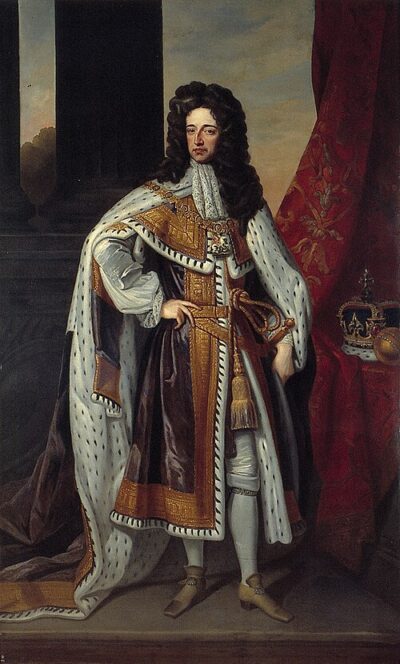 William III of England (1650–1702)King of England, Scotland, and Ireland from 1689 to 1702 (1650–1702)
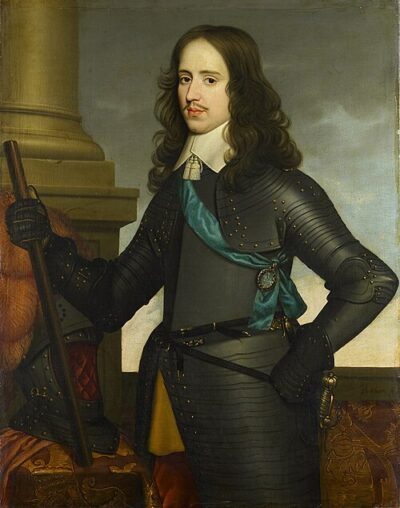 William II, Prince of Orange (1647–1650)prince of Orange and Stadtholder of Holland (1626–1650)
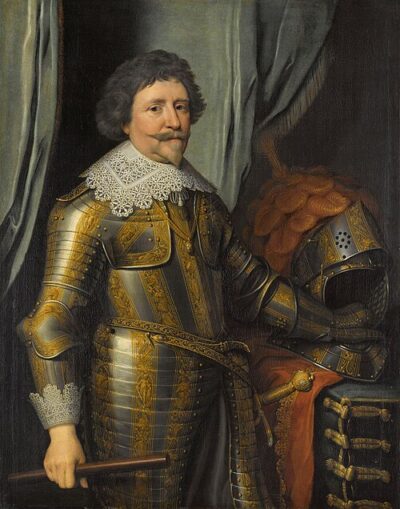 Frederick Henry of Orange-Nassau (1625–1647)prince of Orange and stadtholder of Holland (1584-1647)
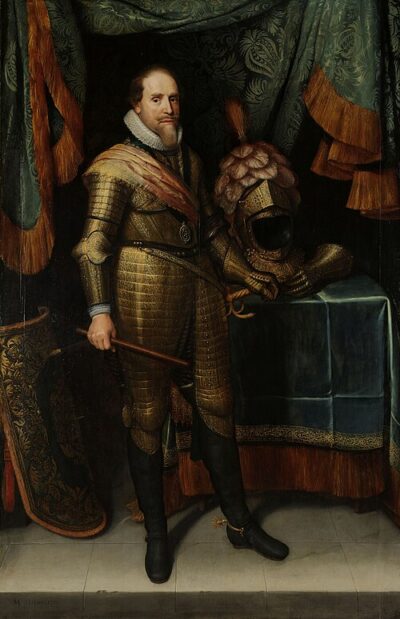 Maurice of Nassau (1618–1625)Dutch Republic stadtholder and Prince of Orange (1567-1625)
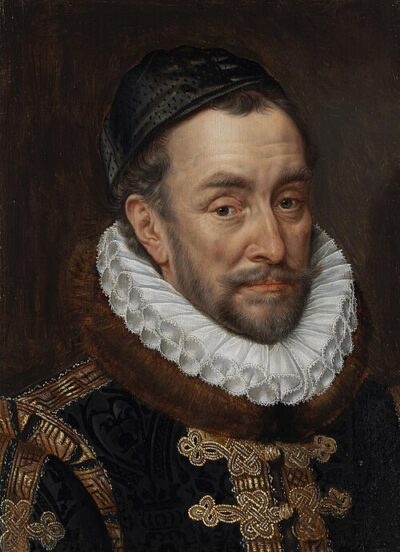 William the Silent (1544–1584)Dutch statesman and revolt leader (1533-1584)
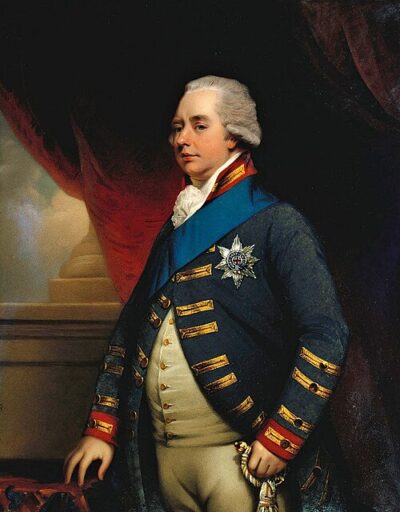 William V, Prince of OrangePrince of Orange, General Stadtholder of the United Provinces (1748-1806)
