prince
Prince is a titile of nobility, male member of a monarch's or former monarch's family.
All 2 facts, and where they come from
Facts
2 facts · 0 confirmed by two sources · 0 cited · 2 from one source
Where this comes from
Papalocal keeps its own record. It started from these sources; what each one said is kept here as it was copied, so a change on their side never changes this page by itself. Tap one to read its version.
What Wikidata says · copied November 17, 2026 · revision 2568690104
- Described as
- titile of nobility, male member of a monarch's or former monarch's family
- What it is
- noble title; title of honor
- Wikipedias with a page
- 88
Wikidata item Q2747456 (wikidata.org/wiki/Q2747456), public domain (CC0). Copied 2026-11-17.
What Wikipedia says · copied November 17, 2026 · revision 1378300510
A prince is a male ruler (ranked below a king, grand prince, and grand duke) or a male member of a monarch's or former monarch's family. Prince is also a title of nobility (often highest), often hereditary, in some European states. The female equivalent is a princess. The English word derives, via the French word prince, from the Latin noun prīnceps, from primus (first) and caput (head), meaning "the first, foremost, the chief, most distinguished, noble ruler, prince".
In a related sense, now not commonly used, all more or less sovereign rulers over a state, including kings, were "princes", they were members of the princely class, in the language of international politics and diplomacy. Princes was thus a collective noun, that applied to the group of sovereign monarchs, even if they used another title, for example king or duke. Many of these were Princes of the Holy Roman Empire.
From the Wikipedia article “Prince” (en.wikipedia.org/wiki/Prince), by its contributors, under CC BY-SA 4.0 (creativecommons.org/licenses/by-sa/4.0/). Copied 2026-11-17; not changed.
Confirmed Two sources agree. Cited One source, and it names where it got it. One source One source, without a reference of its own. Sources disagree The sources disagree. We show the best-supported value and keep theirs below.
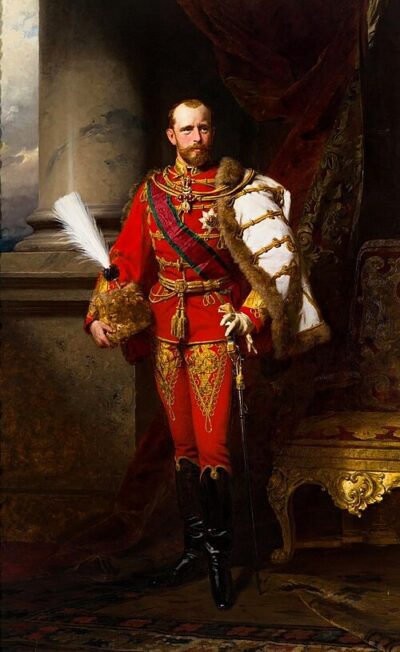
Picture: Gyula Benczúr, via Wikimedia Commons · Public domain
People connected 9
Held this office
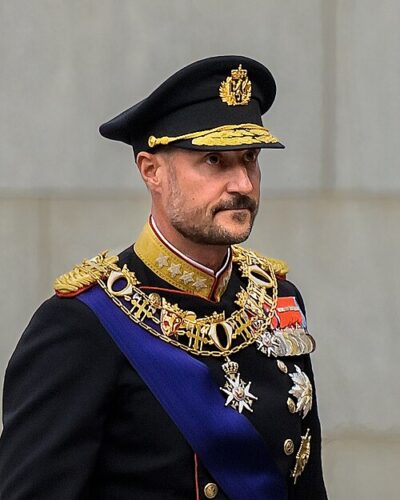 Haakon VIII of Norway (1973–1991)King of Norway since 2026
 Paddy Roy Bates (1967–2012)Founder of the Principality of Sealand (1921-2012)
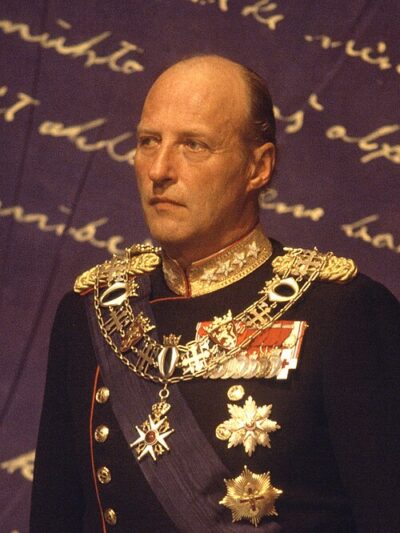 Harald V of Norway (1937–1957)King of Norway from 1991 to 2026 (1937–2026)
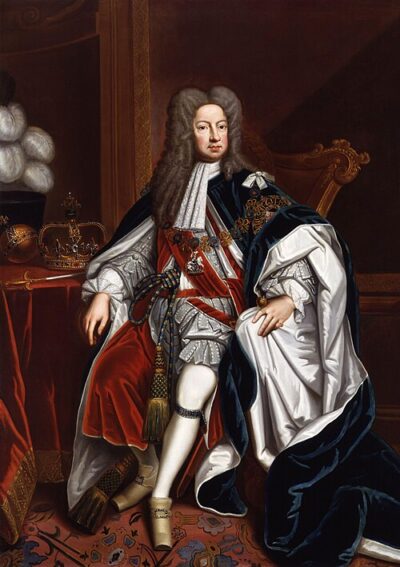 George I of Great Britain (1698–1705)King of Great Britain and Ireland from 1714 to 1727
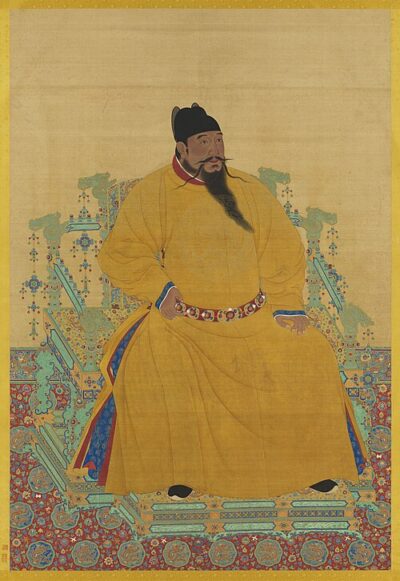 Yongle Emperor (1370–1402)emperor of Ming dynasty China from 1402 to 1424
 Jovan Vladimir (1000–1016)Serbian prince of Duklja, Serbian Orthodox Christian saint (990-1016)