

Qom Hawza
Qom Hawza is a Shiite seminary in Iran. It was founded in 1922 by Abdolkarim Haeri Yazdi.
- Located in
- Qom County
- Country
- Iran
- Founded
- 1922
- What it is
- hawza
All 6 facts, and where they come from
Facts
6 facts · 0 confirmed by two sources · 0 cited · 6 from one source
Where this comes from
Papalocal keeps its own record. It started from these sources; what each one said is kept here as it was copied, so a change on their side never changes this page by itself. Tap one to read its version.
What Wikidata says · copied November 16, 2026 · revision 2556317682
- Described as
- Shiite seminary in Iran
- Other names
- Qom Seminary, Qom Shiite Seminary
- What it is
- hawza
- Founded
- 1922
- Founded by
- Abdolkarim Haeri Yazdi
- Located in
- Qom County
- Country
- Iran
- Official website
- http://www.hawzahqom.ir/
- Wikipedias with a page
- 22
Wikidata item Q4119319 (wikidata.org/wiki/Q4119319), public domain (CC0). Copied 2026-11-16.
What Wikipedia says · copied November 16, 2026 · revision 1384083692
The Qom Seminary (Persian: حوزه علمیه قم, romanized: Ḥowze-ye ʿelmiyye-ye Qom) is the largest and one of the foremost Shia hawzas (Islamic seminaries), located in the city of Qom, Iran. It is the largest seminary in Iran, established in 1922 by Grand Ayatollah Abdul-Karim Haeri Yazdi in Qom to train Usuli scholars. The Hawza is composed of several structured institutions and systems developed to govern itself. Its curriculum includes Arabic grammar, rhetoric, Quranic studies, theology, and traditional sciences. Along with Kufa and Baghdad, the Qom hadith school is among the three earliest centers of hadith transmission in Shia intellectual history.
The seminary's history dates back to the founding of Shia Qom, when the Ash'ari family—a Shia clan—migrated from Kufa to Qom and contributed to the development of the city. Once they gained control over Qom, the propagation of Shiism and teaching of hadith and the Qur'an began. This continued with the arrival of agents and descendants of the Imams of Shia Islam, who played a substantial role in establishing and expanding the seminary.
Its influence waned under Sunni reign during the rise of the Seljuk Empire, and was further diminished during the Mongol invasion of the Khwarazmian Empire. During the Safavid era, it likely regained notability along with the seminaries of Isfahan and Qazvin. Among its faculty in this era were scholars such as Sheikh Baha'i and Mulla Sadra. In the Qajar era, the establishment of major schools like Feyziyeh School in Qom further strengthened the seminary.
Eventually, with renewed efforts to revitalize the seminary in the Qajar era, Yazdi migrated to Qom and founded the modern seminary. It became the most active seminary in the history of Shia Islam in Qom, later becoming a primary center of Shia scholarship in the Islamic world. After Yazdi, three of his students, followed by Hossein Borujerdi, led the seminary.
From the Wikipedia article “Qom Seminary” (en.wikipedia.org/wiki/Qom_Seminary), by its contributors, under CC BY-SA 4.0 (creativecommons.org/licenses/by-sa/4.0/). Copied 2026-11-16; not changed.
Confirmed Two sources agree. Cited One source, and it names where it got it. One source One source, without a reference of its own. Sources disagree The sources disagree. We show the best-supported value and keep theirs below.
Picture: Wikimedia Commons: عکس از مدرسه علمیه معصومیه شهر قم.jpg · See Commons file page
People connected 7
Studied here
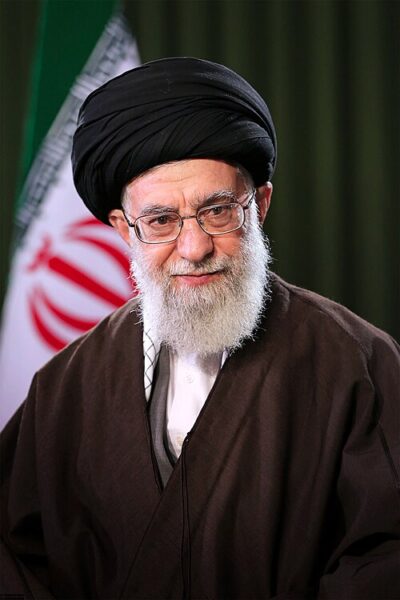 Ali KhameneiSupreme Leader of Iran from 1989 to 2026
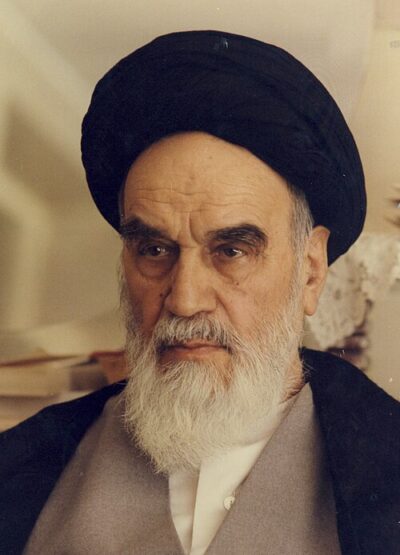 Ruhollah KhomeiniSupreme Leader of Iran from 1979 to 1989
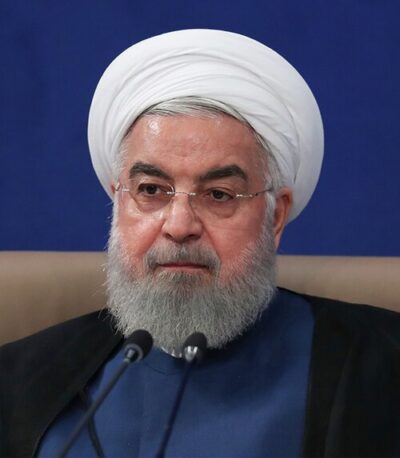 Hassan Rouhani (1961–1978)President of Iran from 2013 to 2021
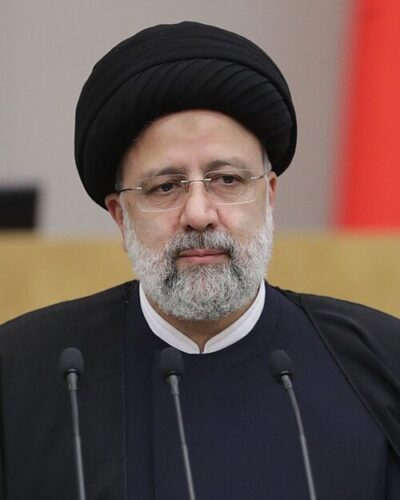 Ebrahim RaisiPresident of Iran from 2021 to 2024
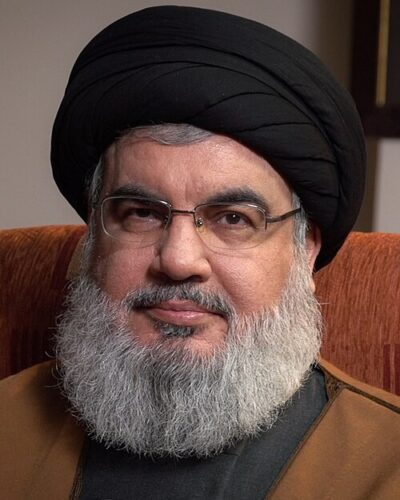 Hasan Nasrallah (1989–1990)Leader of Hezbollah (1960-2024)
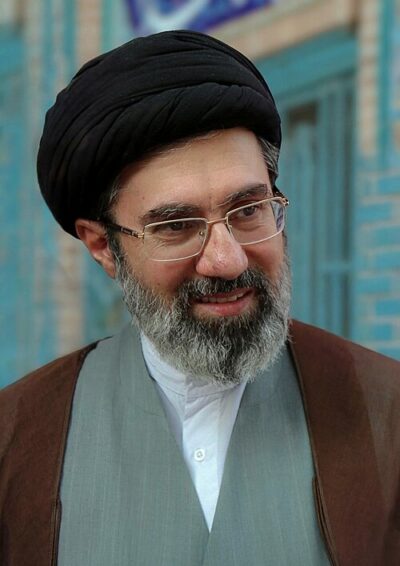 Mojtaba Khamenei3rd Supreme Leader of Iran since 2026
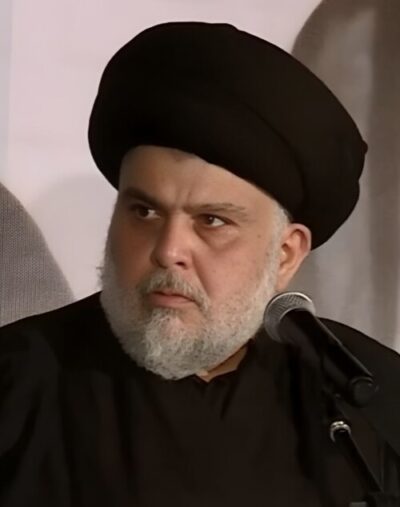 Muqtada al-SadrIraqi Shia scholar, politician and militia leader (born 1974)
