Revolutionary Committee of the Chinese Kuomintang
Revolutionary Committee of the Chinese Kuomintang is a political party in the People's Republic of China. It was founded in 1948. Its headquarters are in Beijing. It stands for socialism with Chinese characteristics, Chinese unification and New Three Principles of the People.
- Country
- People's Republic of China
- Founded
- January 1, 1948
- Ideology
- socialism with Chinese characteristics
- Chair
- Wan Exiang (2012–)
All 11 facts, and where they come from
Facts
11 facts · 0 confirmed by two sources · 1 cited · 10 from one source
Where this comes from
Papalocal keeps its own record. It started from these sources; what each one said is kept here as it was copied, so a change on their side never changes this page by itself. Tap one to read its version.
What Wikidata says · copied November 17, 2026 · revision 2567261618
- Described as
- political party in the People's Republic of China
- Other names
- Revolutionary Committee of the Kuomintang
- What it is
- political party
- Founded
- January 1, 1948
- Headquarters
- Beijing
- Country
- People's Republic of China
- Chair
- Zhou Tienong (2007–2012); Wan Exiang (2012–)
- Ideology
- socialism with Chinese characteristics · 1 reference; Chinese unification; New Three Principles of the People
- Named after
- Kuomintang
- Official website
- http://www.minge.gov.cn/
- Wikipedias with a page
- 21
Wikidata item Q1202612 (wikidata.org/wiki/Q1202612), public domain (CC0). Copied 2026-11-17.
What Wikipedia says · copied November 17, 2026 · revision 1383991728
The Revolutionary Committee of the Chinese Kuomintang (RCCK; also commonly known, especially when referenced historically, as the Left Kuomintang or Left Guomindang), commonly abbreviated in Chinese as Minge (Chinese: 民革; pinyin: Mín'gé), is one of the eight minor non-oppositional political parties in the People's Republic of China, officially termed "democratic parties," led by the Chinese Communist Party.
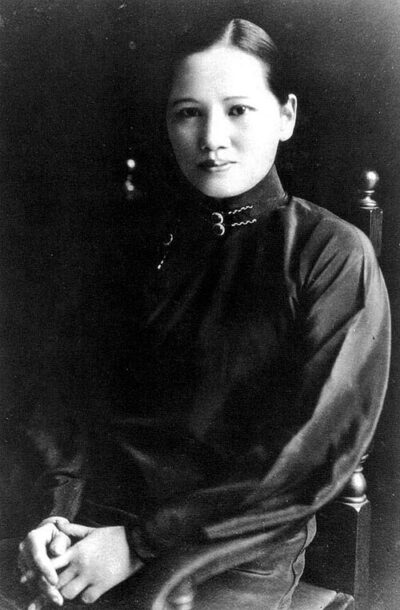
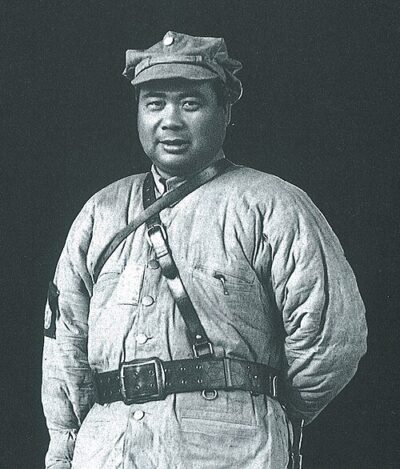
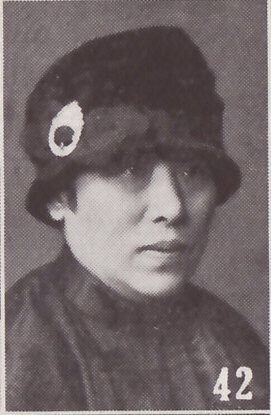
The RCCK was founded in January 1948, at the height of the Chinese Civil War, by members of the left wing of the Kuomintang (KMT), especially those who were against Chiang Kai-shek's policies. The first chairman of the party was General Li Jishen, a senior Nationalist military commander who had many disputes with Chiang over the years, while Soong Ching-ling (the widow of Sun Yat-sen) was named Honorary Chairwoman. Other early leading members were Wang Kunlun, Cheng Qian, He Xiangning and Tao Zhiyue. In 1949, it merged with the Three Principles of the People Comrades Association and the Kuomintang Democratic Promotion Association. The party claims to be the true heir of Sun Yat-sen's legacy and his Three Principles of the People. In December 2022, the party had around 158,000 members. Its membership mostly consists of people with historical ties to the KMT and Taiwan. It owns a significant amount of property originally held by the KMT before the retreat of the government of the Republic of China to Taiwan.
Among the official political parties of the People's Republic of China, the Revolutionary Committee is officially ranked second after the CCP, being the first-ranking minor party. The RCCK currently has 41 seats in the National People's Congress, six seats in the NPC Standing Committee and 65 seats in the Chinese People's Political Consultative Conference. Its current chairman is Zheng Jianbang.
From the Wikipedia article “Revolutionary Committee of the Chinese Kuomintang” (en.wikipedia.org/wiki/Revolutionary_Committee_of_the_Chinese_Kuomintang), by its contributors, under CC BY-SA 4.0 (creativecommons.org/licenses/by-sa/4.0/). Copied 2026-11-17; not changed.
Confirmed Two sources agree. Cited One source, and it names where it got it. One source One source, without a reference of its own. Sources disagree The sources disagree. We show the best-supported value and keep theirs below.
Picture: Wikimedia Commons: Central Committee of RCCK (20200907143050).jpg · See Commons file page