
Kuomintang
Kuomintang is a Republic of China political party. It was founded in 1919 by Sun Yat-sen and Yeung Ku-wan. Its headquarters are in Taipei. It stands for Three Principles of the People, Chinese nationalism and paternalistic conservatism.
- Country
- Taiwan (1949–)
- Founded
- October 10, 1919
- Ideology
- Three Principles of the People
- Chair
- Wu Den-yih (2017–)
All 14 facts, and where they come from
Facts
14 facts · 0 confirmed by two sources · 1 cited · 13 from one source
Where this comes from
Papalocal keeps its own record. It started from these sources; what each one said is kept here as it was copied, so a change on their side never changes this page by itself. Tap one to read its version.
What Wikidata says · copied November 16, 2026 · revision 2515831206
- Described as
- Republic of China political party
- Other names
- Guomindang, KMT, GMD, Nationalist Party of China, National Party of China, Chinese Nationalist Party, Chinese National Party, National People’s Party, National People’s Party of China
- What it is
- political party
- Founded
- October 10, 1919
- Founded by
- Sun Yat-sen · 1 reference; Yeung Ku-wan · 1 reference
- Headquarters
- Taipei (1949–)
- Country
- Taiwan (1949–); Republic of China (1919–1949)
- Chair
- Wu Den-yih (2017–); Lien Chan · 1 reference
- Ideology
- Three Principles of the People; Chinese nationalism; paternalistic conservatism; republicanism
- Official website
- http://www1.kmt.org.tw/english/index.aspx
- Wikipedias with a page
- 92
Wikidata item Q31113 (wikidata.org/wiki/Q31113), public domain (CC0). Copied 2026-11-16.
What Wikipedia says · copied November 16, 2026 · revision 1385947494
The Kuomintang (KMT) is a major political party in the Republic of China (Taiwan). It was the sole ruling party of China from 1928 to 1949 until its relocation to Taiwan, and in Taiwan ruled under martial law until 1987. The KMT is a centre-right to right-wing party and the largest in the Pan-Blue Coalition, one of Taiwan's two main political groups. Its primary rival is the Democratic Progressive Party (DPP), the largest party in the Pan-Green Coalition. As of 2025, the KMT is the largest single party in the Legislative Yuan and is chaired by Cheng Li-wun.
The party was founded by Sun Yat-sen in 1894 in Honolulu, Hawaii, as the Revive China Society. He reformed the party in 1919 in the Shanghai French Concession under its current name. From 1926 to 1928, the KMT under Chiang Kai-shek unified China in the Northern Expedition against regional warlords, leading to the fall of the Beiyang government. After initially allying with the Chinese Communist Party (CCP) in the First United Front, the party under Chiang purged communist members. It was the sole ruling party of China from 1928 to 1949 but gradually lost control while fighting the Empire of Japan in the Second Sino-Japanese War and the CCP in the Chinese Civil War. In December 1949, the Kuomintang retreated to Taiwan following its defeat by the communists.
From 1949 to 1987, the KMT ruled Taiwan as a one-party state after the February 28 incident. During this period (known as the White Terror), martial law was in effect and civil liberties were curtailed as part of its anti-communism efforts. The party oversaw Taiwan's rapid economic development but later experienced diplomatic setbacks, including the loss of the country's seat in the United Nations and loss of international diplomatic recognition to the CCP-led People's Republic of China (PRC) in the 1970s. In the late 1980s, party leader Chiang Ching-kuo lifted martial law and the ban on opposition parties. His successor, Lee Teng-hui, continued democratic reforms and was reelected in 1996 in the first direct presidential election. The 2000 presidential election ended 72 years of KMT presidencies. The party reclaimed power with the landslide victory of Ma Ying-jeou in the 2008 presidential election, then lost the presidency and its legislative majority in the 2016 election, but regained a legislative plurality in the 2024 election.
The party's guiding ideology is the Three Principles of the People, advocated by Sun Yat-sen and organized on a basis of democratic centralism. As the KMT supports the ROC as the only representative of China, it opposes both Chinese unification under the PRC and formal Taiwan independence. As the KMT opposes non-peaceful means to resolve the cross-strait disputes while still strongly adhering to the ROC constitution, the party favors a closer relationship with the PRC and accepts the 1992 Consensus, which defines both sides of the Taiwan Strait as "one China" but maintains its ambiguity to different interpretations. It seeks to maintain Taiwan's status quo rather than formal independence or unification.
From the Wikipedia article “Kuomintang” (en.wikipedia.org/wiki/Kuomintang), by its contributors, under CC BY-SA 4.0 (creativecommons.org/licenses/by-sa/4.0/). Copied 2026-11-16; not changed.
Confirmed Two sources agree. Cited One source, and it names where it got it. One source One source, without a reference of its own. Sources disagree The sources disagree. We show the best-supported value and keep theirs below.
People connected 12
Party members
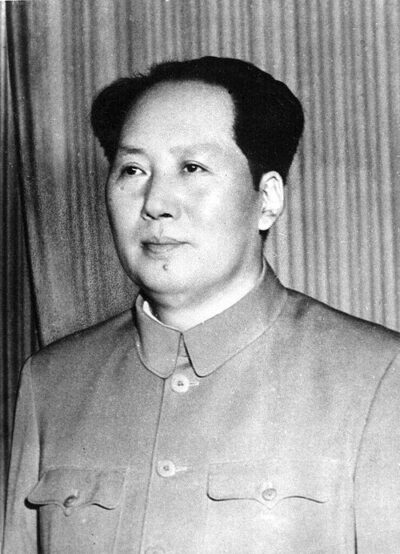 Mao Zedong (1923–1927)1st chairman of the Chinese Communist Party and founder of the People's Republic of China (1893–1976)
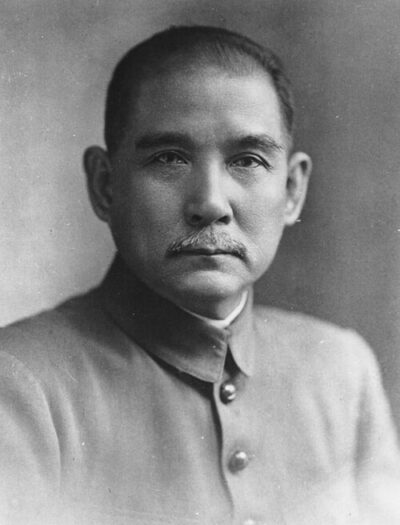 Sun Yat-senChinese politician, physician, and revolutionary (1866–1925)
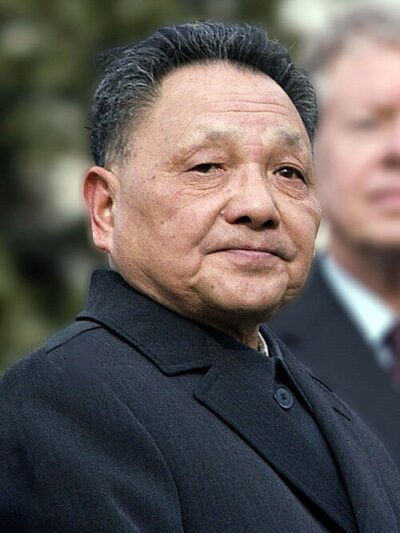 Deng Xiaoping (1924–1927)Chinese politician and paramount leader from 1978 to 1989
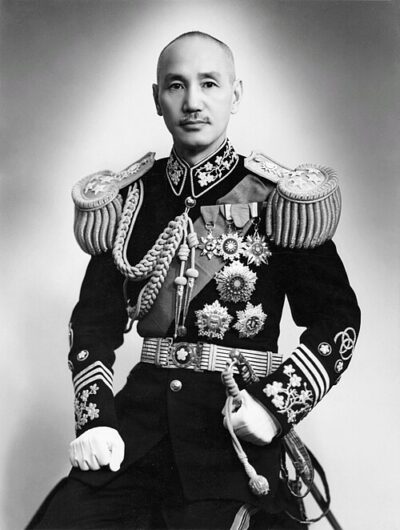 Chiang Kai-shekChinese politician, military leader, and President of the ROC (1887–1975)
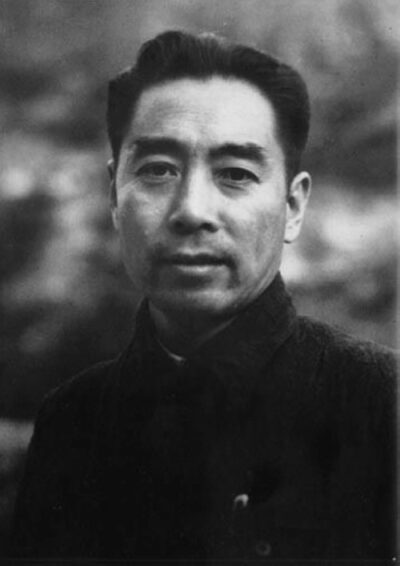 Zhou Enlai (1923–1927)1st Premier of the People's Republic of China
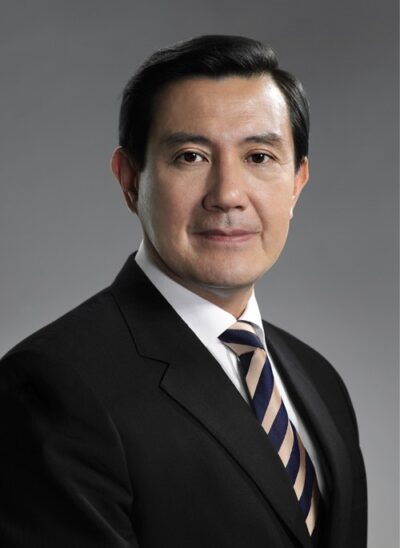 Ma Ying-jeou (1968–)12th and 13th President of Republic of China(Taiwan)
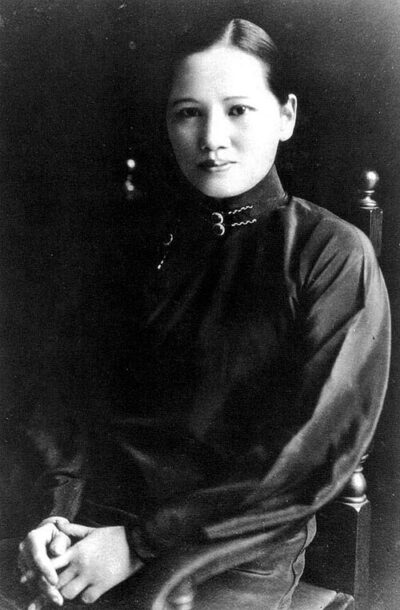 Soong Ching-lingformer Vice President of the People's Republic of China and third wife of Sun Yat-sen (1893–1981)
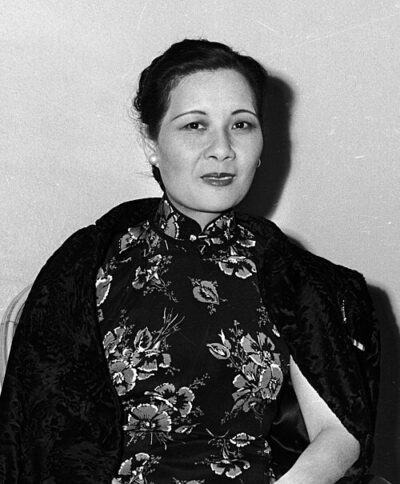 Soong May-lingChiang Kai-shek's wife, First Lady of the Republic of China (1898–2003)
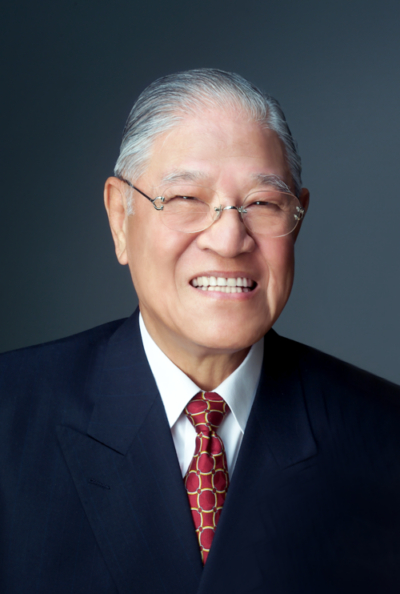 Lee Teng-hui (1971–2001)7-9th President of Republic of China(Taiwan) (1923-2020)
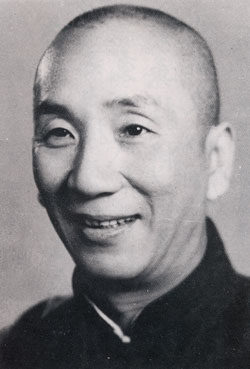 Ip ManHong Kong martial artist (1893–1972)
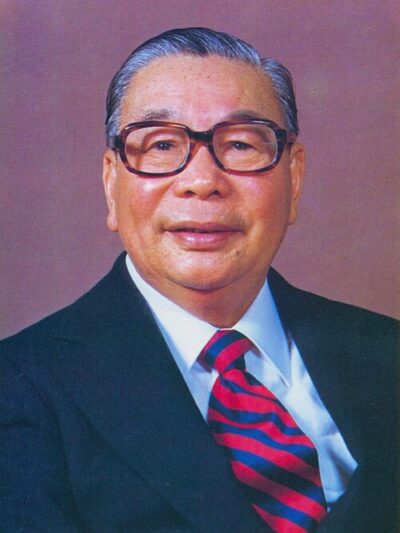 Chiang Ching-kuo6th and 7th President of Republic of China
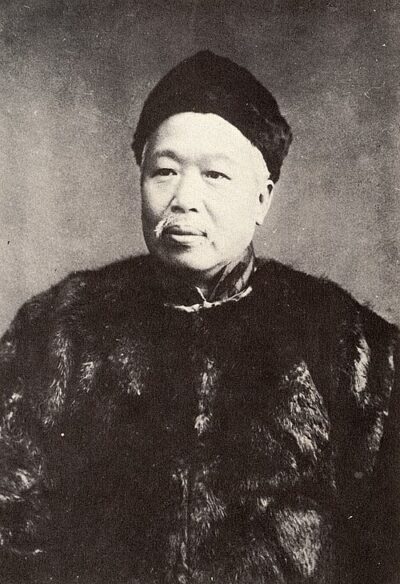 Kang YouweiChinese politician and scholar (1858-1927)
